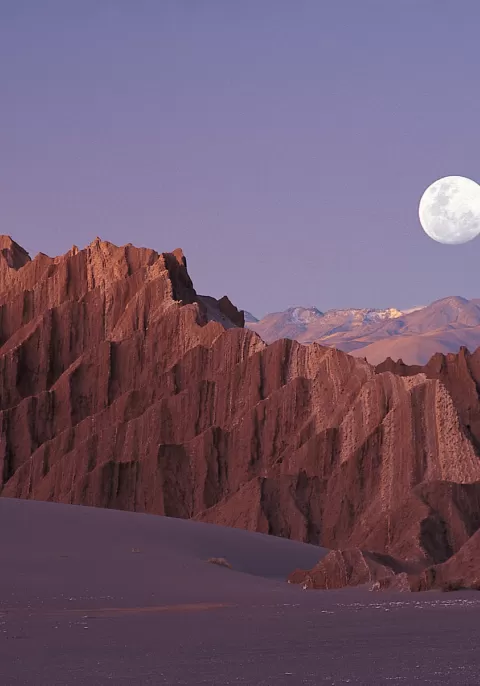
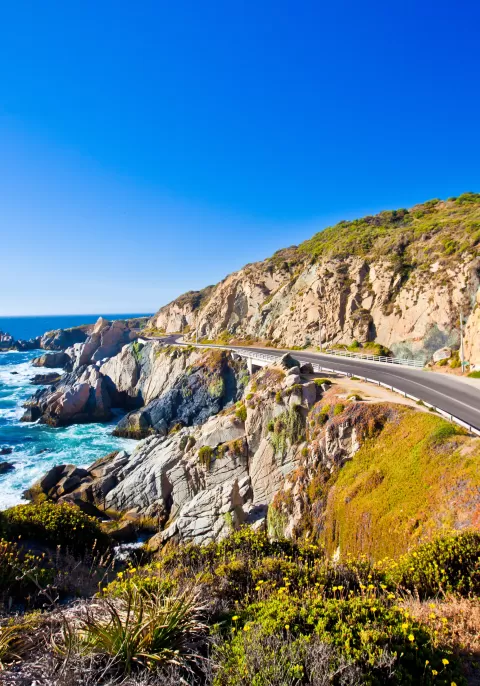
MountainChile's geology is the key to understanding its wandering history and present-day geography. Fossil records paint a sketchy picture of ancient flora and fauna, revealing ancient links with now-distant continents, the ebb and flow of the sea, and patterns of climatic warming and cooling. Lava flows atop glacial deposits attest to centuries of flux, of mountain building and catastrophe. Fluvial landforms in the north hint at a cooler, wetter past, when mastodons and other immense mammals inhabited the Atacama Desert.
During the Triassic period, some 250 million years ago, Chile formed part of the supercontinent Pangea, which concentrated all the world's land mass in a single island, surrounded by a global sea. Antarctica, Africa, India and Australia were Chile's closest neighbors. Once Pangea began to split apart, these land masses together would form a second supercontinent, known as Gondwanaland. Present-day floral affinities among these now-distant landmasses date from the Gonwanaland period. This great paleocontinent was also doomed to dissolution. First to split off were Africa and India, leaving South America, Antarctica, and Australia. These, too, began to drift apart, and by 27 million years ago the Drake Passage had fully separated Antarctica and Australia from the tip of South America. South America was on its own.
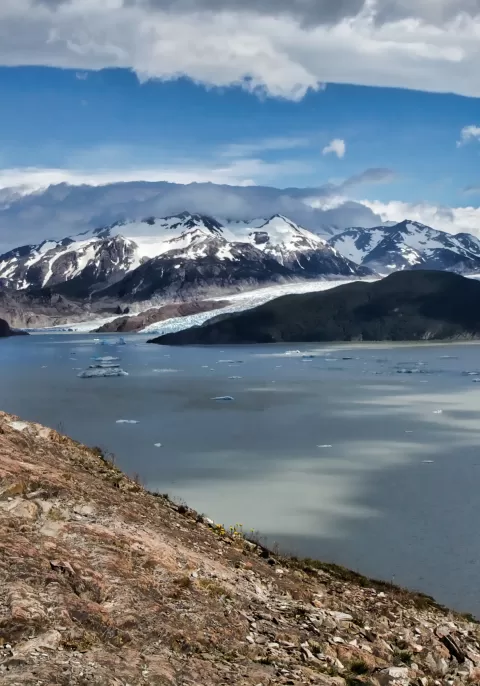
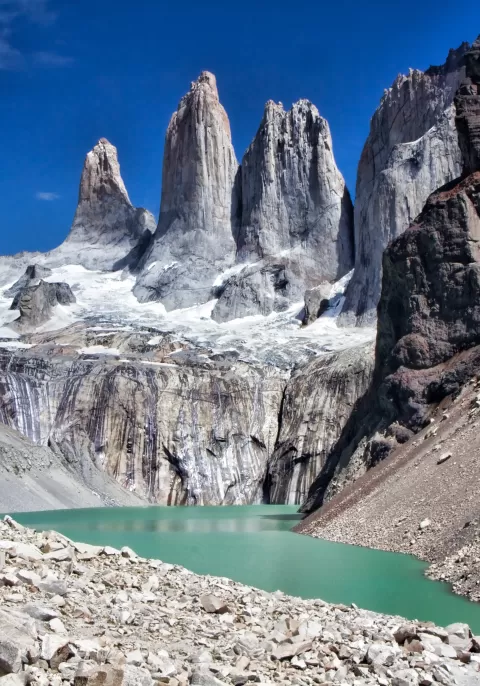
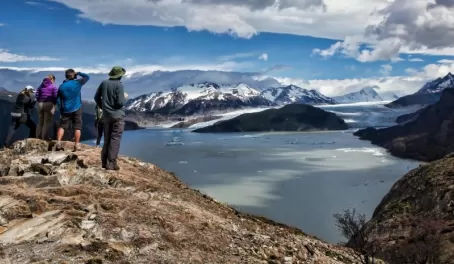
Meanwhile the continent itself was undergoing vast transformations. A land bridge -- now known as Central America - in turn isolated the continent and linked it with North America, creating periods of isolation and speciation punctuated by the influx of new, more highly competitive flora and fauna. Global and regional climate change throughout the Cenozoic (65 mya) transformed tropical ecosystems to temperate ones, created deserts, and revealed landforms long hidden by the sea. The Andean cordillera, which has been continually building and rebuilding itself via active volcanoes and violent faulting for the past 65 million years, isolated Chile from the rest of the continent. Most recently, a period of glaciations, the last ending some 10-15,000 years ago, created the beautifully sculpted landforms which characterize southern Chile. Nearly all the great lakes owe their existence to glaciers which scoured great basins and left high terminal moraines, like great impermeable dams, at their leading edge. Wide, U-shaped valleys with flat bottomlands and vertical walls are another legacy of these great implacable sculptors.
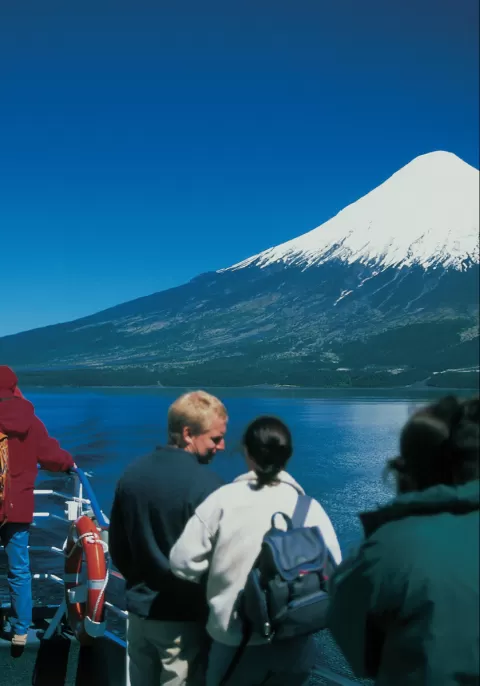
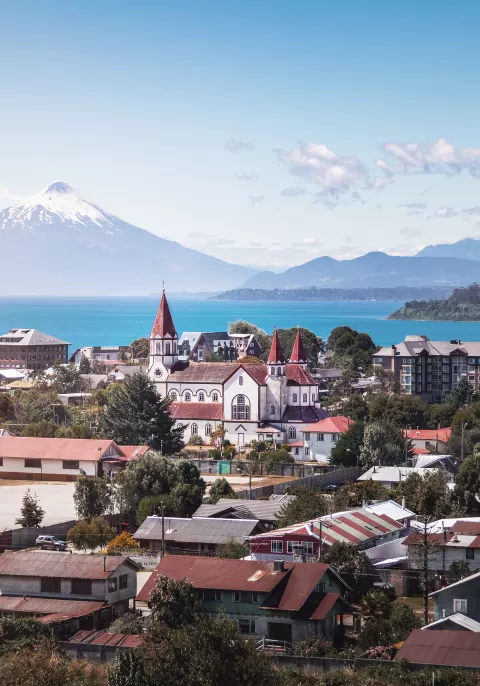
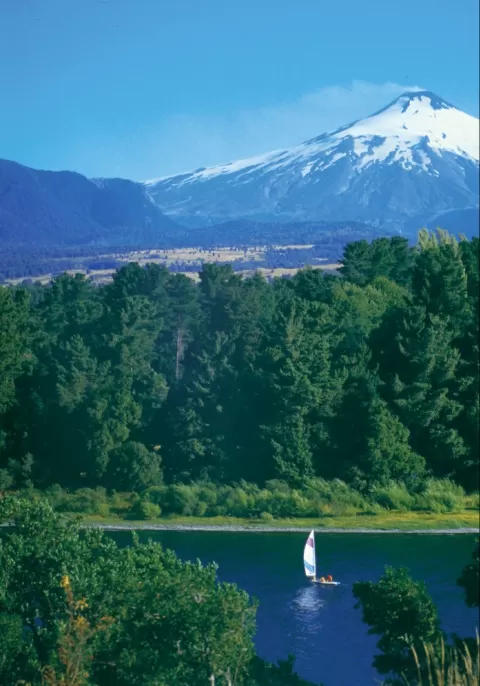
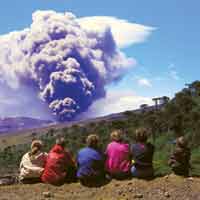
VolcanoeToday, the Lake Region is Chile's most geothermically active area. A chain of volcanoes, most of them active, extends in a rough line just west of the continental divide, and dozens of hotsprings lie scattered through these mountain valleys. A recent history of cataclysmic eruptions is apparent in tremendous lava flows, which have created waterfalls and in places stemmed the flow of western-flowing rivers, creating high mountain lakes almost overnight.
Volcanoes are one of the few things that every region of Chile has in common. Hundreds of these are active, and high levels of geothermal activity throughout the country also give rise to hundreds of hotsprings and geysers. Generally the highest peaks in any given region, volcanoes are the target of many mountaineering expeditions and provide unique terrain for many ski areas, especially in the south. Chile's Pacific Islands are also of volcanic origin.
Few places on earth better demonstrate this sense of ongoing change better than Chile, where geologic processes -- volcanism and geysers, glaciers and fluvial erosion - are in full swing, plain to the eye.
Thanks to the Tourism Promotion Corporation of Chile : 202-530-4109
Our team is waiting and ready to talk with you about your next adventure.
So go ahead and book an appointment with one of our specialized trip planners.
They were recommended to me and I can see why. Very professional, efficient, friendly and easy to work with.
Michael and Nancy
2 months ago
I received an offer from the company running a tour, I chose the date and booked via Adventure Life.
JMT
4 months ago
Sandra and Arvin have been helpful. They answer questions and concerns promptly. They modify excursions and adjust for physical conditions.
Jan Bake
6 months ago
We have been using Adventure Life for over 20 years. I guess that about says it all. This most recent trip to central and southern patagonia was spectacular. What beautiful, vast, varied landscape. We saw it from kayaks, white water rafting, boats, hiking trails and on horseback.
Lodges and guides were top notch.
Carol Thuerbach
1 year ago
With somewhat "last minute" planning, Mary was able to put together a rather complicated trip to Chile and Patagonia. Experts, for sure! This will be our 12th trip with AL. I guess that speaks volumes.