Spring, summer, and fall are the best times to visit
Croatia. Summer is the high season when the coast buzzes with travelers, while spring and fall bring pleasant weather, lighter crowds, and better value.
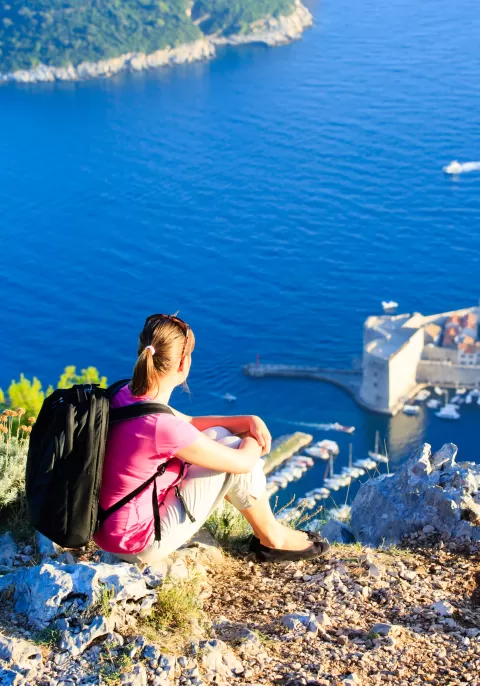
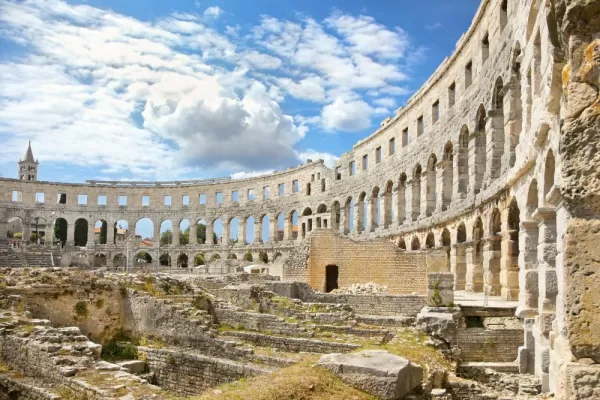
With over 1,000 miles of Adriatic coastline and more than 1,200 islands, Croatia is a paradise for sunseekers and culture lovers alike. From ancient walled cities to quiet coves, there’s a rhythm here that suits every traveler.
Croatia cruises offer a comfortable way to experience its islands and coastal towns, with options for hiking, biking, snorkeling, kayaking, and small-group cultural tours.
May
May brings warm sunshine, blooming landscapes, and fewer visitors. Expect around 12 hours of daylight and mild temperatures between 22–25°C (72–77°F). Occasional spring showers keep the scenery lush, and the Adriatic averages 18–19°C (64–67°F), refreshing but still a bit cool for swimming.
Sailing regattas take place across the islands, and Zagreb’s
The Cest is d'Best International Street Festival fills the city with music, art, and open-air performances toward the end of the month.
May is perfect for travelers who enjoy mild weather, lively cities, and quiet coastal paths before summer crowds arrive.
June
June signals the start of long, sunny days and warm sea temperatures, typically 22–24°C (72–75°F). Air temperatures climb to 26–28°C (79–82°F), ideal for swimming, sailing, and outdoor dining.
The country celebrates Statehood Day on June 25, marking Croatia’s independence in 1991, followed by the Patron Saints Day Festival in Humac on Hvar Island. In
Zagreb, the Dance Week Festival features modern performances from artists across
Europe.
June offers summer energy without the full rush of peak season, a great month for beaches, festivals, and comfortable travel conditions.
July
By July, summer is in full swing. Coastal towns are lively, ferries are frequent, and the water reaches its warmest yet. Average daytime highs hover around 30°C (86°F), and evenings stay pleasantly warm.
Kayaking off Korčula Island, swimming through sea caves, or paddling beside Dubrovnik’s medieval walls make for unforgettable days on the water. The Dubrovnik Summer Festival, held from mid-July through August, fills the city with open-air theatre, classical music, and dance.
July is best for travelers who love energy and activity, just plan ahead for crowds and book accommodations early.
August
August closes out Croatia’s peak season. Days are hot and dry, around 30–33°C (86–91°F), with the sea a balmy 25°C (77°F), perfect for long swims and sunset sails.
The Zadar Full Moon Festival kicks off the month with local food, music, and crafts along the waterfront, while Zagreb’s World on a Plate Festival celebrates global cuisine and culture as summer winds down.
August is all about celebration, great for travelers who want beach time, events, and late-night life under warm skies.
September
September is now considered one of Croatia’s best months to visit. The weather remains warm, between 25–28°C (77–82°F), and the sea stays inviting at 24–25°C (75–77°F). Crowds thin out, prices drop slightly, and the slower pace makes coastal travel more relaxed.
Vineyards in Istria and the Pelješac Peninsula begin harvest season, while small cultural and food festivals continue along the coast.
September combines everything travelers love about summer, warm water, sunny days, and open attractions, but with fewer tourists and a calmer atmosphere.
Before You Go
Event dates may vary each year, so check local calendars when planning your trip. Croatia’s travel season has gradually extended, and many coastal destinations now stay open well into October, offering a quieter yet still sunny escape.
Ready to start planning your Croatia adventure?
Contact one of our Trip Planners today.













/454x264.webp)