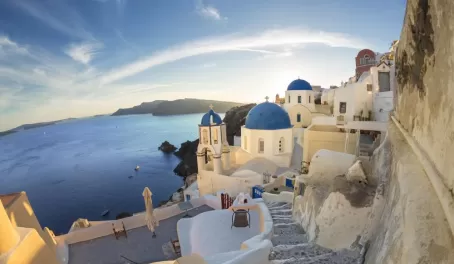
The Aegean Islands are a vast and diverse collection of Greek islands scattered across the Aegean Sea, located between mainland Greece to the west and Turkey to the east. The Aegean Sea forms part of the eastern Mediterranean and has played a vital role in Greek history, trade, and culture for thousands of years.
The Aegean Islands are known for their dramatic coastlines, historic ruins, charming villages, and crystal-clear waters. They are traditionally divided into
seven main island groups, each with its own character, landscapes, and travel appeal. From lively cosmopolitan islands to quiet, nature-filled escapes, the Aegean Islands offer something for every type of traveler.
The Seven Main Groups of Aegean Islands
1. Northeastern Aegean Islands
Located in the Thracian Sea and along the Turkish coast.
Key islands: Lesbos, Chios, Sámos, Lemnos
Features: Traditional villages, unspoiled coastlines, authentic local culture, and rich history.
Northern Sporades
Situated off the coast of Thessaly.
Key islands: Skyros, Skópelos, Skiathos
Features: Lush pine forests, sandy beaches, clear waters, and scenic hiking trails.
2. Cyclades
The most iconic island group in Greece.
Key islands: Naxos, Paros, Mykonos, Santorini
Features: Whitewashed villages, volcanic cliffs, vibrant nightlife, luxury resorts, and iconic sunsets.
Saronic Islands
Located close to Athens, ideal for short trips.
Key islands: Hydra, Aegina, Spétsai
Features: Easy access from Athens, charming harbors, historic towns, and relaxed island life.
3. Dodecanese (Southern Sporades)
Found in the southeastern Aegean near Turkey.
Key islands: Rhodes, Kos, Pátmos, Kárpathos
Features: Ancient ruins, medieval towns, sunny beaches, and strong cultural traditions.
4. Crete and Associated Small Islands
The largest island in the Aegean and Greece overall.
Features: Mountain landscapes, ancient Minoan ruins, diverse beaches, and distinctive cuisine.
Crete forms a southeastern arc with nearby islands such as Karpathos and Kasos.
East Aegean Islands
Sometimes used to describe islands like Euboea, Sámos, and Ikaria near the Turkish coast.
Features: Less crowded destinations, authentic Greek culture, traditional villages, and slower-paced travel.
The Best Aegean Islands to Visit
1. Chios Island
Chios Island, with its mystical mastic-scented villages and medieval architecture, is a captivating destination in the North Aegean Sea. The Mastic Villages, designated as a UNESCO World Heritage site, offer a glimpse into the island's unique traditions and livelihoods revolving around the cultivation of mastic resin. The Nea Moni Monastery, a masterpiece of Byzantine art and architecture, is another iconic landmark that showcases the island's rich cultural heritage. Its medieval villages, vibrant festivals, and picturesque beaches make Chios a hidden gem waiting to be explored.
Who it appeals to:
History enthusiasts, culture aficionados, and nature lovers will be enthralled by the rich traditions and natural beauty of Chios Island.
Insider Tips:
Visit a mastic distillery to learn about production and stroll through the medieval village of Mesta for an authentic experience.
Practicalities:
The Nea Moni Monastery is best visited on weekdays. Exploring the mastic villages by car allows for greater flexibility.
2. Lesvos Island
Lesvos Island is known for its unspoiled landscapes and welcoming atmosphere. The Petrified Forest of Lesvos, a UNESCO Global Geopark, features fossilized trees millions of years old. Traditional villages like Molyvos and Agiassos highlight the island’s cultural heritage, while ouzo distilleries and olive groves define its culinary identity.
Who it appeals to:
Nature lovers, birdwatchers, geology enthusiasts, and travelers seeking a slower pace.
Insider Tips:
Visit the Kalloni Salt Pans for birdwatching and enjoy fresh seafood in Skala Sikamineas.
Practicalities:
Two days or more are recommended to fully experience the island.
3. Samothrace Island
Samothrace is steeped in mythology and natural beauty. The Sanctuary of the Great Gods is one of Greece’s most important ancient religious sites. The island’s rugged terrain, waterfalls, and Mount Saos attract hikers and nature lovers. The Loutra hot springs provide relaxation in a serene setting.
Who it appeals to:
Hikers, history lovers, and travelers seeking tranquility.
Insider Tips:
Visit early in the morning for cooler temperatures and fewer visitors.
Practicalities:
Sturdy footwear is recommended. Allocate a full day to explore the main attractions.
4. Thassos Island
Thassos combines lush greenery with crystal-clear waters. Highlights include the Ancient Agora, Giola natural pool, hiking trails, and traditional villages such as Theologos.
Who it appeals to:
Beach lovers, families, and travelers interested in archaeology.
Insider Tips:
Visit Giola early in the day and explore the mountain villages for authentic local culture.
Practicalities:
Plan multiple days to enjoy beaches, hiking, and historic sites.
5. At Thea Park, Lemnos Island
At Thea Park offers sweeping views of the Aegean Sea and access to the Geological Museum of Lemnos. It is ideal for relaxation and learning about the island’s natural history.
Who it appeals to:
Nature lovers, photographers, and families.
Insider Tips:
Visit in the late afternoon for sunset views.
Practicalities:
Easy access and well-maintained paths make it suitable for all visitors.
6. Agios Fokas, Ikaria Island
Agios Fokas is known for its tranquil coastline and nearby thermal springs at Therma. The area is perfect for relaxation and wellness-focused travel.
Who it appeals to:
Wellness travelers and those seeking quiet coastal escapes.
Insider Tips:
Combine a seaside walk with a soak in the hot springs.
Practicalities:
Best explored by car; half-day visits work well.
7. Ammothines Beach, Lemnos Island
Ammothines Beach features golden sands and calm waters, ideal for relaxation and photography.
Who it appeals to:
Beach lovers and families.
Insider Tips:
Bring shade and refreshments, as facilities are limited.
Practicalities:
Accessible by road with parking available.
8. Potamia Valley, Thassos Island
A lush valley filled with watermills, streams, and olive groves, ideal for hiking and relaxation.
Who it appeals to:
Nature lovers and families.
Insider Tips:
Visit in the morning for cooler temperatures and better light.
Practicalities:
Wear comfortable shoes for walking trails.
9. Kastro, Thassos Island
An ancient hilltop settlement offering panoramic views and archaeological remains.
Who it appeals to:
History lovers and photographers.
Insider Tips:
Visit early or late in the day to avoid heat.
Practicalities:
Accessible by trail or vehicle.
Key Features & Characteristics of the Aegean Islands
Landscapes
Volcanic cliffs, sandy beaches, lush forests, and dramatic coastlines.
Culture & History
Ancient ruins, medieval towns, traditional festivals, and rich local customs.
Popular Aegean Destinations
- Mykonos: Cosmopolitan nightlife
- Santorini: Volcanic landscapes and sunsets
- Rhodes: Medieval towns and historic landmarks
Geographic Location
The Aegean Islands lie between mainland Greece and Turkey in the Aegean Sea, forming a bridge between Europe and Asia.
Best Things to Do in the North Aegean Sea Islands
The North Aegean Sea Islands offer a mix of ancient history, untouched nature, and authentic Greek culture. From archaeological landmarks and scenic hiking trails to tranquil beaches and vibrant local traditions, these islands appeal to travelers seeking meaningful and less commercialized experiences.
Let’s Plan Your Trip to the North Aegean Sea Islands
Adventure Life specializes in crafting personalized journeys tailored to your interests. Whether you’re drawn to cultural exploration, natural beauty, or relaxing coastal escapes, our expert Trip Planners will help design the perfect itinerary.
With knowledgeable local guides and carefully curated experiences, Adventure Life ensures a seamless and enriching journey through the North Aegean Islands.
Contact Adventure Life today to start planning your unforgettable Greek island adventure.
Aegean Islands FAQs
What country do the Aegean Islands belong to?
Most of the Aegean Islands belong to Greece, though a few islands near the eastern edge lie close to Turkey.
What are the three largest Aegean Islands?
The three largest are Crete, Euboea (Evia), and Lesbos.
What currency is used on the Aegean Islands?
The official currency is the Euro (EUR).
What is the best time to visit the Aegean Islands?
The best time to visit is May to June and September to October, when the weather is pleasant and crowds are smaller.