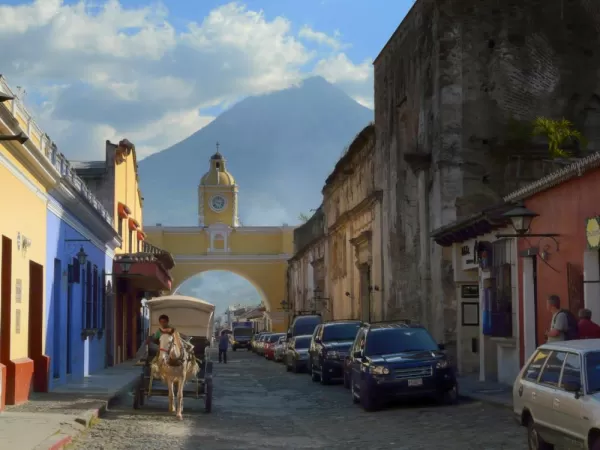
Guatemala is often called the “Land of Eternal Spring” for good reason. Much of the country enjoys mild, pleasant weather year-round, though climate can vary significantly depending on altitude and region. From cool highlands to tropical lowlands, knowing the Guatemala weather will help you plan the perfect trip.
Overview of Guatemala Weather
Altitude matters most. The highlands—including Antigua, Guatemala City, Lago de Atitlán, and Chichicastenango—sit between 4,260–6,890 feet (1,300–2,100 m). Daytime temperatures are generally comfortable, ranging from 64–82°F (18–28°C). Humidity is low, but nights can be chilly, so layering is key. Coastal areas and the northern Petén lowlands are hot and humid. Temperatures can exceed 85°F (30°C) year-round. Places like Tikal are lush thanks to this climate, but be ready for steamy conditions while exploring the ruins.
Guatemala has two main seasons:
Rainy season (Invierno): May–October. Expect sunshine interspersed with short tropical downpours, mostly in the afternoons.
Dry season (Verano): November–April. Cooler nights, clear skies, and minimal rainfall make this the most popular travel period. Peak daytime heat occurs in April and May before the rains arrive.
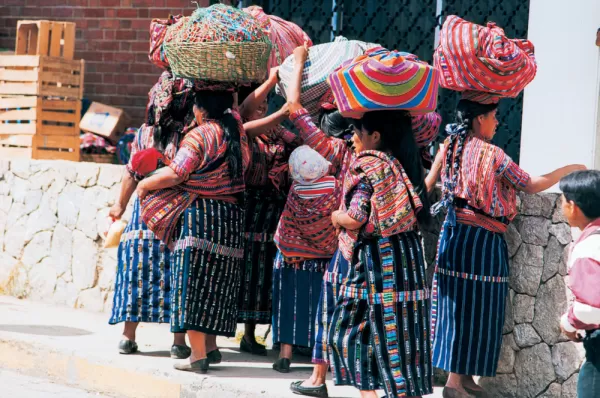
Locals getting ready for the market
Guatemala Weather by Region
Highlands & Mountain Regions
Temperature: 64–82°F (18–28°C) daytime, cooler at night
Rainfall: Moderate, mostly in rainy season
Travel notes: Ideal for hiking, volcano treks, and cultural visits. Bring layers for chilly evenings.
Tropical warmth and high humidity throughout the year
Rain is frequent; hurricanes are rare but possible from June to November
Ideal for wildlife spotting, water activities, and exploring lagoons
Petén & Northern Lowlands
Rainforest climate: consistently hot and humid
Wet season creates dense jungle and rivers ideal for wildlife
Travel requires insect protection and sun precautions
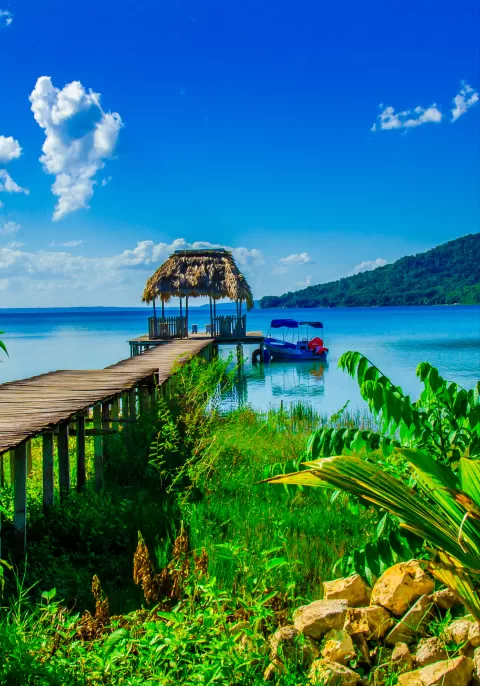
stunning Lake Atitlan (Gerry Errante)
Guatemala Seasons Explained
Dry Season (Verano) – November to April
Sunshine dominates, especially December–February
Cooler nights at high altitude; clear skies make hiking and sightseeing ideal
Short rains may occur in April
Rainy Season (Invierno) – May to October
Afternoon tropical storms; mornings often clear
Roads can be slippery in remote areas, so plan extra travel time
Good for fewer crowds and lush landscapes
Shoulder Months
Late April and November offer transitional weather
Advantageous for travelers seeking fewer crowds with decent conditions
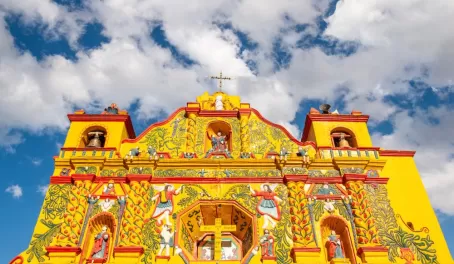
The famed local market in Chichicastenango (Gerry Errante)
Monthly Weather in Guatemala
Temperature Chart (Highs/Lows)
Month
High
°F/°C
Low °F/°C
Rainfall (inches/cm)
Jan
78/26
55/13
2/5
Feb
80/27
57/14
1.5/4
Mar
82/28
59/15
1.5/4
Apr
84/29
61/16
3/8
May
85/29
63/17
6/15
Jun
83/28
63/17
7/18
Jul
82/28
62/17
6/15
Aug
82/28
62/17
6/15
Sep
82/28
61/16
5/13
Oct
81/27
60/16
4/10
Nov
80/27
58/14
3/8
Dec
78/26
56/13
2/5
How Altitude Impacts Guatemala Weather
Altitude causes the biggest differences in temperature. Highlands remain cool and comfortable, while lowlands and coastal zones can feel tropical. Travelers will notice more temperature variation by elevation than by month.
Weather and Natural Phenomena
Hurricanes & Tropical Storms
Caribbean coast is most affected, primarily June–November
Rainy season increases risk of tropical storms in Petén and Izabal
Volcano-Related Effects
Active volcanoes create local microclimates with fog, ash, or wind changes
Hikes can be cooler and breezier at higher altitudes
Messing with the lava on Pacaya Volcano (Jennifer Barile)
Best Time to Visit Guatemala
Dry season (Nov–Apr): Ideal for general travel, hiking, and cultural tours
Summer months (Dec–Feb): Best weather for volcano treks and highland excursions
Rainy season (May–Oct): Lush scenery and fewer tourists, though expect afternoon storms
Climate Tips for Travelers
What to Pack – Dry Season
Light layers for daytime, warm layers for highland nights
Sun protection: hat, sunglasses, sunscreen
Comfortable shoes for walking and hiking
What to Pack – Rainy Season
Waterproof jacket or poncho
Quick-dry clothing
Insect repellent for lowland and jungle areas
Weather Safety Tips
Stay hydrated in hot, humid lowlands
Check road and trail conditions during rainy months
Avoid volcano summits in high winds or fog
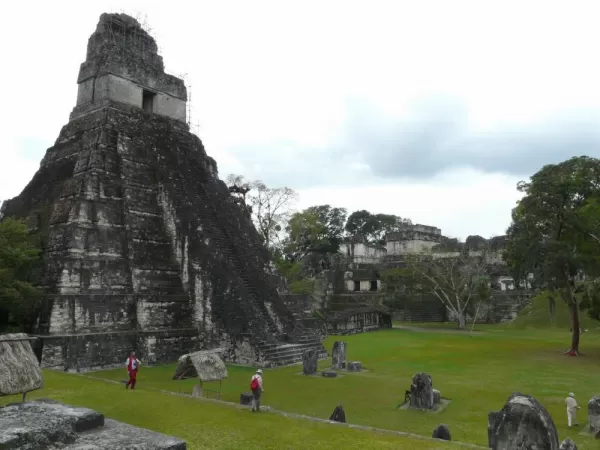
Central Acropolis - palaces and temples (Joe Grant)
Understanding the climate of Guatemala helps travelers make the most of every region, from the cool highlands to tropical lowlands. By considering altitude, season, and local weather patterns, we can ensure a comfortable and enjoyable visit, whether exploring ruins, hiking volcanoes, or relaxing on the coast.
Our team is waiting and ready to talk with you about your next adventure.
So go ahead and book an appointment with one of our specialized trip planners.
The company was easy to work with and planned my trip as I requested. Transportation from the airport to my hotel was without any issues. My hotel was wonderful. The 2 guides I had were exceptional. I have no complaints.
Mary Russell
7 months ago
I had a certain trip i wanted to do. I called Adventure Life and told them what I wanted. The trip was arranged within 2 days per my itinerary and the cost was very reasonable. The person who assisted me was knowledgeable, competent and friendly.
Mary Russell
9 months ago
Our trip to Guatemala was the third time we booked with Adventure Life and once again they did not disappoint. The itinerary, transportation, hotels and especially the guides we perfect.
We will definitely book with Adventure Life again in the future.
Maritta Renz
1 year ago
Agent (Tess) worked closely with me to help work out a custom itinerary for us in Belize. Since we had several specific requirements she made several recommendations then modified the itinerary when we wanted to bring another couple with us. Nice job!
Robert Riley
1 year ago
Everything about our Guatemala trip was amazing. Everything was on time. The guides were personable, knowledgeable on all aspects of history, culture and nature. The destinations were great. It was truly a great week in a wonderful destination.