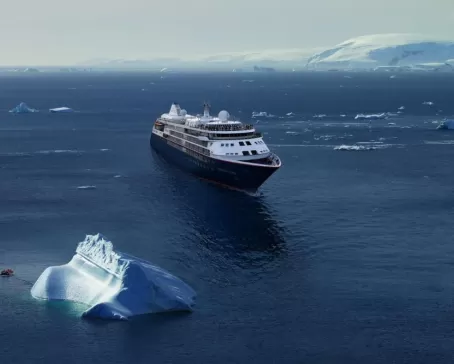
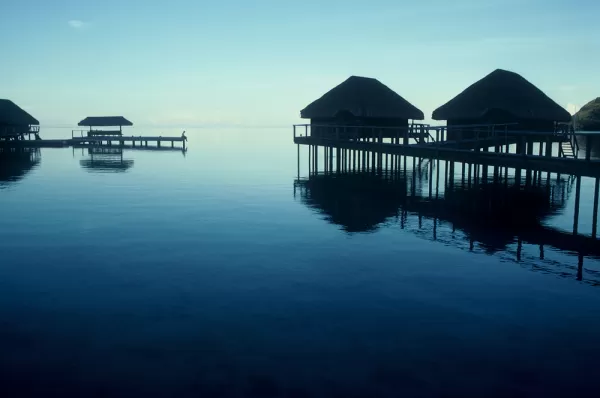
With a population of 6,000, Neiafu is the capital of the Vava'u Group and the second-biggest municipality in the Polynesian nation of Tonga (a 169-island archipelago in the South Pacific). The city is situated next to a deep-water harbor (Port of Refuge) on the south coast of Vavaʻu, the main island of the Vavaʻu archipelago in northern Tonga. The waters of this region are known for their clarity and beauty, and the area attracts many humpback whales between June and November. A popular destination in Neiafu is the Ene'io Botanical Garden, a bird sanctuary that promotes the survival of exotic and native bird species as well as supports and conserves a diverse array of plant life.
3 Included Shore Excursions
Vanilla Plantation & Local Sights- Activity Level - Moderate
- The vanilla crop is an important source of income for the island of Vava’u. Travel to a vanilla plantation to observe either beans being harvested, beans being dried or flowers being pollinated, depending on the timing of the season. Following your visit, your drive back to the pier will include some photo stops such as Kilikilitefua Wall and St Joseph Cathedral, the largest church in Neiafu.
- Please note: This tour requires only moderate activity and is suitable for those with limited mobility. Casual dress and comfortable walking shoes recommended, along with sun protection and sunglasses. Tonga is a very-low-income country with very basic infrastructure, and vastly different to the western culture mentality. Local conditions may be challenging; therefore, the team urge flexibility and understanding as you visit unique and somewhat remote destinations. Coaches, guides, hotels, restaurants, equipment, and services are the best-available in the area but may not be up to the standards of those found on other excursions. Local buses are not equipped with the A/C and the local guides are not professionally trained tour guides, but they speak English and are happy to share their home with you and answer any questions.
Ene’io Botanical Garden & Polynesian Culture- Activity Level - Moderate
- Relive the Polynesian yesterday and experience native lifestyles at the Ene'io Botanical Garden, the only botanical garden in Tonga. Guided, live demonstrations and strolling tours amongst the lush tropical paradise will leave you fascinated by the nature, culture and crafts of this region.
- Please note: This tour requires minimal activity and is suitable for those with limited mobility. Casual dress and comfortable walking shoes recommended, along with sun protection and sunglasses. Tonga is a very-low-income country with very basic infrastructure, and vastly different to the western culture mentality. Local conditions may be challenging; therefore, the team urge flexibility and understanding as you visit unique and somewhat remote destinations. Coaches, guides, hotels, restaurants, equipment, and services are the best-available in the area but may not be up to the standards of those found on other excursions. Local buses are not equipped with the A/C and the local guides are not professionally trained tour guides, but they speak English and are happy to share their home with you and answer any questions.
Vava'u Cultural Experience- Activity Level - Moderate
- Join this sightseeing tour of Neiafu and explore the natural beauty of the Island Vava’u. Stop at the Utulaina lookout for a beautiful view the northern side of the island and visit to Esi-o-Salote, a place where name after the Late Queen III love to sitting and watching down her boys swimming on the beach. Take part in a cultural demonstration and learn firsthand the art of tapa making, see locally made handicrafts, and also watch floor show and dancing to entertain you as you enjoy a fruit refreshment. Finally, stop at the St Joseph Cathedral, the largest church in Neiafu on the way back to the pier.
- Please note: This tour requires a moderate activity. Casual dress and comfortable walking shoes recommended, along with sun protection and sunglasses. Tonga is a very-low-income country with very basic infrastructure, and vastly different to the western culture mentality. Local conditions may be challenging; therefore, the team urge flexibility and understanding as you visit unique and somewhat remote destinations. Coaches, guides, hotels, restaurants, equipment, and services are the best-available in the area but may not be up to the standards of those found on other excursions. Local buses are not equipped with the A/C and the local guides are not professionally trained tour guides, but they speak English and are happy to share their home with you and answer any questions.
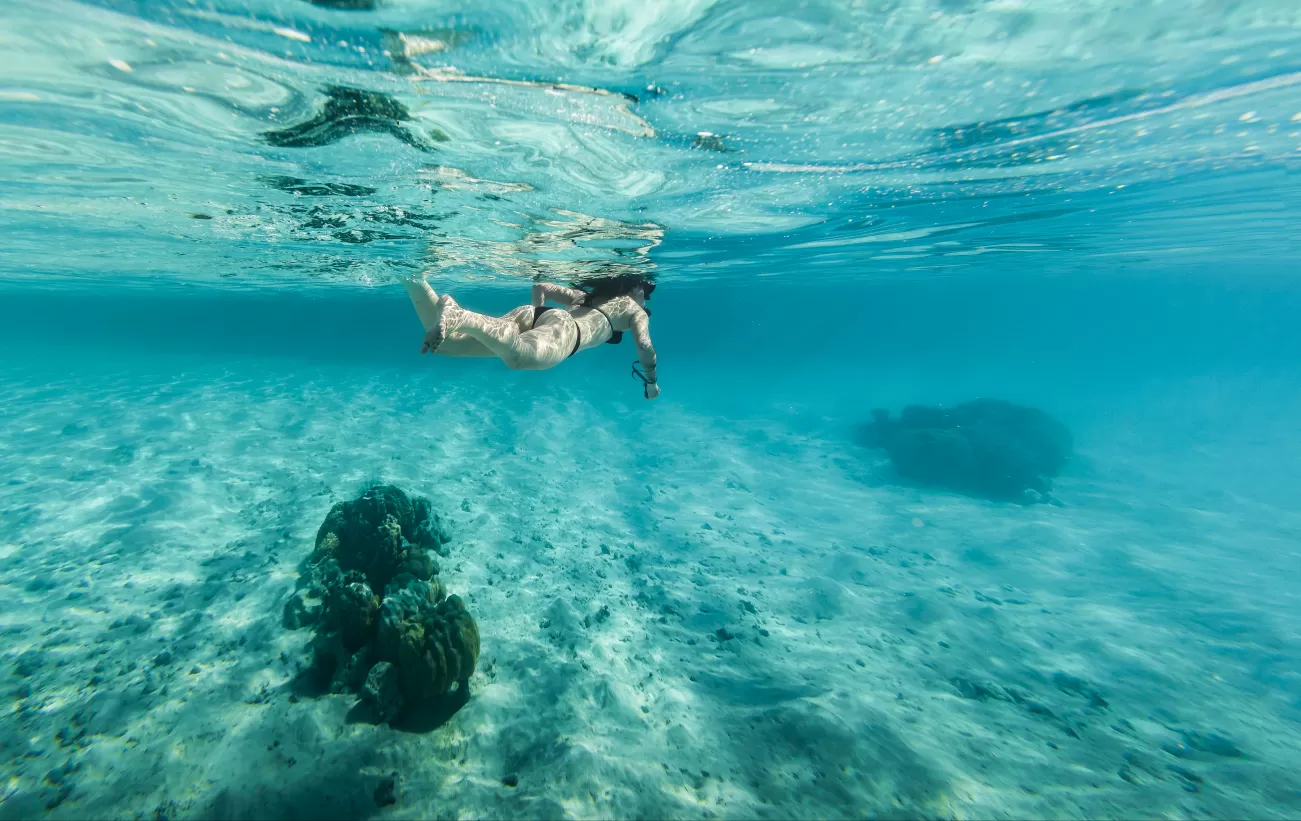
A typical tropical island in the South Pacific should have white sand, coconut palms, a calm turquoise sea, and coral reefs reaching to the shore. Eueiki has all that. The 19-hectare (48-acre) island is one of the Vava’u island group of Tonga and is privately owned, with a small resort. Eueiki is made of limestone laid down by marine life thousands of years ago and later uplifted. Take a walk from the island’s beach to the shade of the island’s interior. Listen for birds. The names of the Polynesian Triller and the Tongan Whistler (a Vava’u endemic) give away their identity. The "coos" are made by fruit-eating Pacific Pigeons or Purple-capped Fruit-doves. Screeches identify Tongan (Insular) Flying Foxes. Fascinating to watch, these large bats are sacred and protected by the King of Tonga. Coral reefs provide great snorkeling, with clear waters giving excellent views of the diverse corals and fish. Healthy corals are mostly green, brown, and occasionally blue due to the algae that live in the flesh of the skeleton-making coral polyps. It is the texture and shapes of the coral that make them fascinating. Some are soft and some are hard. Growth forms include shrubby, finger, plate, massive (round domes), and branched. Small reef fish linger on the reef, none more so than the anemonefish. Small groups of these orange, white, and sometimes black, banded fish find protection amongst the tentacles of sea anemones. Anemonefish are nicknamed Nemos after the Finding Nemo movie. Find Nemo in the word anemone.
2 Included Shore Excursions
Hiking with the Silversea Expedition Team- Activity Level - Moderate
- Please note: Activity level and duration of this activity are approximate. More specific information and logistics will be communicated by the Expedition Leader on board. This activity is not suitable for guests with limited mobility or guests who use a wheelchair. Guests with balance limitations (even slight) are advised to bring along walking poles to assist on slippery and uneven surfaces while hiking. Hikes will be offered in various degrees of difficulty and in order to avoid injury guests are advised to carefully evaluate their abilities when deciding which hikes to participate in. Hikes will go through different types of terrains that may be wet, muddy, rocky, sandy, icy. Hikes will take place in different types of weather conditions and therefore guests must be ready with appropriate clothing and footwear. The team recommends you bring your filled Silversea drinking bottle to remain hydrated during the outing, as well as your Silversea backpack to carry your essential items. It is recommended to have electronic equipment sealed in waterproof bags, in case of rain or spray.
Snorkeling with Silversea Expedition Team- Activity Level - Moderate
- Please note: Activity level and duration of this activity are approximate. More specific information and logistics will be communicated by the Expedition Leader on board. This activity is recommended only for guests in good physical condition and with good swimming skills; some snorkeling experience might be needed in certain areas. Snorkeling will take place from either a beach or a Zodiac platform dependent on the conditions of the day. The team have equipment available for all guests, though you are welcome to bring your own equipment if you wish (full-face masks are prohibited). Some floating noodles will be also available for those guests who wish to make use of them. As the sun can be strong in these areas, the team recommends the use of eco-friendly sunscreen and a rash guard to protect as much skin as possible. It is compulsory to snorkel with a buddy and never alone. You are kindly reminded not to swim too far away from the site. Your Expedition Team will be available to give you all the specific information you need. It is especially important to remember not to touch or kick anything nor stand on corals. If you are using an underwater camera or any other equipment, make sure it safely attached to you (neck or wrist strap) and that you are comfortable in the water first, prior to usage. Please remember not to interfere with the animals that you encounter during your excursion.





/454x364.webp)
/454x364.webp)
/454x364.webp)
/140x140.webp)
/140x140.webp)
/140x140.webp)
/140x140.webp)
/140x140.webp)
/140x140.webp)
/140x140.webp)