Here are a few good tips about coping with high altitude on your Adventure Life tour. This is not meant to substitute for trained medical advice or attention. Please consult a physician before traveling to an altitude.
When finding yourself at a higher altitude than you are accustomed to, there are a variety of special medical problems and considerations that you might run into. A good tip is to take it easy the first couple of days in order for your body to adjust to the change in altitude.
Common outdoor hazards, like sunburn and dehydration, are dangerous and should be taken seriously. By protecting yourself from the sun with SPF 30 or higher and drinking plenty of bottled water, you can help prevent these hazards. In high elevations, you will find both a less protective atmosphere in the form of a thinner ozone layer and high surface reflectivity in the form of snow and ice. Symptoms of dehydration can include headache, nausea, and impaired cognitive function. Altitude also presents special problems not found at lower elevations. Many visitors to elevation experience shortness of breath, loss of appetite, and fatigue.
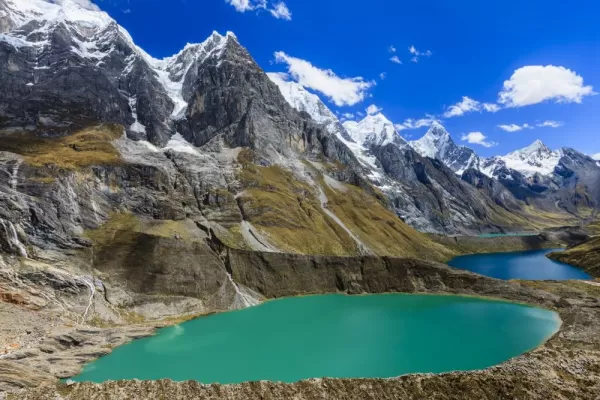
If you are wondering how to prepare for high altitude, the most important step is to give your body time to adjust. Acclimatization usually takes a few days, and pacing yourself can make a big difference in how comfortable you feel. Walk slowly, rest often, and don’t push too hard during your first hikes. Staying hydrated and eating light, energy-rich meals can also help your body adapt to reduced oxygen levels. Many travelers enjoy high-altitude hiking in the Andes because of the breathtaking landscapes and cultural richness of the region. However, hiking at elevation requires special preparation. Be sure to bring proper layers for the changing weather, sun protection, and plenty of snacks to maintain your energy. Trekking poles can also help reduce strain on your body, especially when ascending steep trails at higher elevations.
For those curious about how to prepare for hiking at high altitude, think ahead before your trip. Training with cardio exercises like running, biking, or climbing stairs can strengthen your lungs and improve endurance. If you are preparing for high altitude hiking, try to simulate the challenge by doing long hikes in hilly terrain or by spending time at moderate elevations if possible. This preparation allows you to enjoy your journey without being slowed down by fatigue or shortness of breath.
Hiking at Samarinvagen on Hornsund fjord, Svalbard (Erin Correia)
Why Preparing for High Altitude Matters
When you head to higher elevations, the air becomes thinner, meaning there’s less oxygen available with each breath. This can feel different from what your body is used to at sea level. Even simple activities like climbing stairs or walking uphill can feel harder. That’s why understanding altitude and the way it affects your body is so important.
The most common risks you might face include altitude sickness, fatigue, and dehydration. Altitude sickness can show up as headaches, dizziness, or nausea, while fatigue and shortness of breath may make daily activities feel more draining. Dehydration is another big factor, since the air is dry and your body loses water faster than you realize. Knowing these risks ahead of time helps you spot them early.
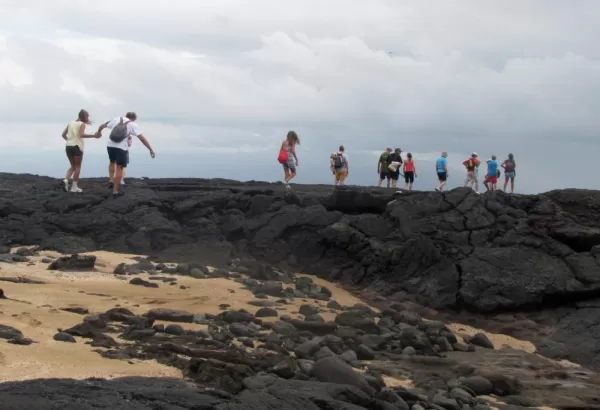
The benefit of preparing is clear: if you’re ready, your body adjusts better and you’ll enjoy your time more. Travelers who take preparation seriously often have smoother experiences, whether they’re walking through mountain villages or setting off on a long trek. For hikers, preparation means being able to focus on the views and trails instead of worrying about every step. hiking across the lava, Port Egas (Stuart White)
How to Prepare for High Altitude Before Your Trip
If you’ve been wondering how to prepare for high altitude, starting before you even leave home makes a difference. Building up your physical fitness helps—cardio training like jogging, biking, or climbing stairs strengthens your lungs and heart, so you’re better equipped for the reduced oxygen.
Gradual acclimatization also helps. If possible, spend some time at mid-altitude locations before going straight to the highest points. Your body adjusts better when you give it steps instead of a sudden jump.
Your diet and hydration matter too. Drinking plenty of water before and during your trip keeps your body running smoothly. Eating lighter meals with enough carbs can also give you steady energy. Finally, a medical consultation is worth considering. Some travelers take prescribed medications to help with altitude, and your doctor can advise whether that’s right for you.
Essential Tips for High Altitude Hiking
When you’re out on the trail, pacing yourself is key. Hikers who rush often burn out quickly, so slow down and take breaks. The goal of high altitude hiking is to enjoy the views, not to win a race. Listen to your body and rest whenever you need to.
Hydration becomes even more important while hiking at high altitude. Carry a water bottle or hydration pack and sip often, not just when you feel thirsty. Wear layers you can easily add or remove since mountain weather can swing from hot to cold in minutes.
Your body also needs fuel. Snacks like nuts, energy bars, and fruit keep your energy steady. Carbs are especially helpful because they’re easier for your body to process when oxygen levels are low. With these habits, your hiking days will be much more comfortable.
How to Prepare for Hiking in High Altitude
One of the best ways to get ready is to train on lower-elevation trails before your trip. These hikes build stamina and give your body a sense of what long uphill climbs feel like. Practicing good breathing techniques also helps—slow, deep breaths make the most of the oxygen available. Packing smart is another step in how to prepare for hiking at high altitudes. Trekking poles take pressure off your knees and help with balance on uneven ground. A hydration pack, electrolytes, and snacks should always be within reach. If you’re preparing for high altitude hiking, also pack light layers and a first aid kit.
Finally, learn to recognize early signs of altitude sickness. Headaches, nausea, or unusual fatigue shouldn’t be ignored. By knowing what to look for, you can take action before things get serious.
Coping with Altitude Sickness
Altitude sickness can affect anyone, even the fittest hikers. Common symptoms include headaches, dizziness, nausea, and trouble sleeping. Some people also lose their appetite or feel unusually tired. If you notice these signs, the first step is to slow down and rest. Hydrate, avoid alcohol, and give your body a chance to catch up. Sometimes a short pause at a lower elevation can make a big difference. If symptoms get worse, it may be time to descend or seek medical help. There are also natural remedies, like coca tea in the Andes, but medication prescribed by a doctor is often more reliable. The important thing is not to push through severe symptoms.
Gear Checklist for High Altitude Hiking
Good footwear is a must. Trails in the mountains are often rocky and uneven, so supportive boots with strong traction can protect your feet and ankles.
Clothing is just as important. Think in layers: a breathable base layer, an insulating mid-layer, and a waterproof shell to keep you dry. Weather shifts fast, so being able to adjust quickly is essential. Don’t forget a first aid kit with altitude-specific supplies like ibuprofen or anti-nausea tablets (after checking with your doctor). Sun protection is another must-have—strong sunglasses, high SPF sunscreen, and lip balm protect against the intense sun at elevation.
Final Travel Tips for Preparing for High Altitude
Travel insurance is worth considering, especially if your trip involves multi-day treks or remote locations. It adds peace of mind if you need medical care or a last-minute change in plans.
Think about whether you want to hike with a guide or go on your own. Guided tours can make logistics easier and give you expert support if altitude becomes an issue.
Plan enough time at altitude before attempting longer or more challenging hikes. Giving your body two or three days to adapt makes a big difference. And finally, go in with the right mindset. Patience and flexibility are just as important as your gear and training. High-altitude travel is about the journey as much as the destination.
Our team is waiting and ready to talk with you about your next adventure.
So go ahead and book an appointment with one of our specialized trip planners.