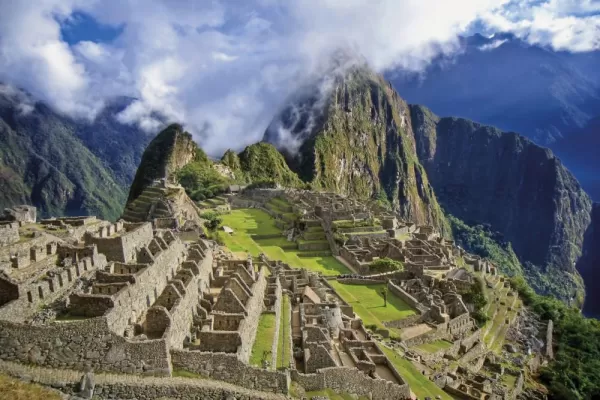
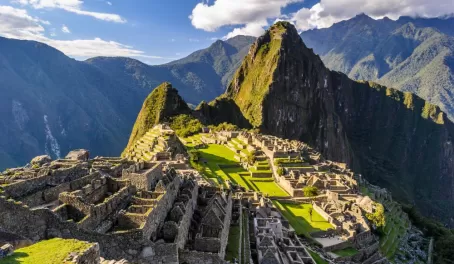
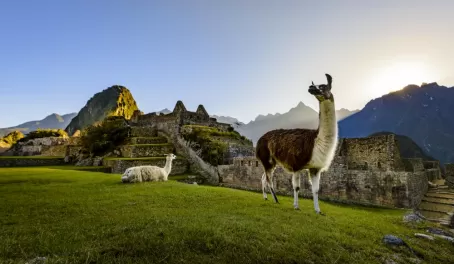
Peru’s weather varies by coast, highlands, and jungle, so the best time to visit Peru depends on where you plan to go. For most visitors headed to the highlands, the dry season from May to November offers the most reliable conditions for hiking and sightseeing. If you want clearer skies and easier trail walking, plan around those months. Peak tourism arrives in June–August, so expect crowds then. Overlooking Machu Pichu (Dick Morasch)
Best Time to Visit Machu Picchu
April and May are ideal for visiting Machu Picchu. The heavy rains of the wet season have mostly passed, the hills are green, and crowds haven’t yet peaked. The period from May through October generally gives you clear views and safer trails. If you prefer fewer people, aim for April, May, September, or October — you’ll still get good weather without the busiest days.
For the Andean highlands, choose the dry season. The Inca Trail and other treks perform best from May to September because rain and landslides are less likely. Cusco’s festivals peak around June, which adds local color but also brings bigger crowds. If you plan multi-day trekking, allow two nights in Cusco or the Sacred Valley to acclimatize and to avoid rushing straight to higher elevations. That extra day reduces fatigue and lowers the chance of altitude problems.
Moray aggricultural terraces in Sacred Valley (Erin Correia)
Machu Picchu weather by month — quick guide
January–February: Rainy season. Expect heavy showers and possible trail closures.
March–April: Rains ease. Trails become safer; March is a transition month.
May–August: Dry months with clear skies. Best conditions for views and hiking.
September–October: Fewer crowds, still mostly dry — great compromise.
November–December: Showers return and conditions grow wetter. Expect mixed days.
Use this breakdown to match your priorities: fewer crowds, better photos, or greener landscapes.
Best Time to Hike Machu Picchu Clouds
If hiking is your focus, aim for May through July. Trails stay firm and visibility stays high. Start early in the morning to catch clear light and avoid afternoon fog. Avoid February for major treks — the Inca Trail closes in February for maintenance and the conditions are usually too wet.
When to Go to the Sacred Valley
The Sacred Valley works well as a buffer zone for acclimatization. April–June and September–October offer mild weather and manageable crowds. June–July brings festival activity and warmer daytime temperatures, which are great for markets and village visits, but expect more visitors.
When to Visit the Amazon
May–September is the drier window in the Amazon. Trails and river travel become easier and insect pressure can be lower. The rainy season, roughly October–April, floods parts of the forest and opens different wildlife viewing opportunities — but plan for wetter clothing and flexible logistics.
When to Explore Lima and the Pacific Coast
Beach season runs January–March, with the warmest water and clearest skies. The rest of the year, coastal fog (garúa) can dominate mornings and afternoons. If you want sun and sea, pick the January–March window; otherwise, Lima’s food scene and city tours work year-round.
Tips for Choosing the Best Time to Travel
Match weather to activity: pick dry months for trekking and wildlife viewing, shoulder months for balance, and the rainy season for lower prices and fewer tourists. Book early for June–August: Machu Picchu permits, trains, and guided treks sell out. Pack by season: breathable layers and sun protection for dry-season hikes; reliable waterproofs and quick-dry clothing for the wet months.
Packing essentials and practical notes
Bring layers for temperature swings, sturdy boots with good traction, sun protection, and a basic first-aid kit. If you plan hikes at elevation, include a hydration system and some salty snacks. Buy travel insurance that covers trekking or emergency evacuation if you’ll be off the beaten path.
Final thoughts
Choosing the best time to visit Machu Picchu or the rest of Peru comes down to trade-offs: clear skies and good hiking vs. fewer people and greener scenery. For most visitors, the dry season gives the most consistent conditions, but shoulder months often offer the best mix of weather, value, and space on the trails. Plan around the weather by month and your priorities, and you’ll get the trip you want. Talk to our trip planner now for a personalized trip to Peru!
Our team is waiting and ready to talk with you about your next adventure.
So go ahead and book an appointment with one of our specialized trip planners.
We had a fabulous trip to Peru thanks to Adventure Life and their local partner guides. We are so grateful for the smooth transitions from place to place and the ease with which we were shepherded and informed and had our own needs and idiosyncrasies accommodated for throughout this once in a lifetime trip.
Patricia Talbot
3 weeks ago
Timely responses and great follow up. Trying to figure out what was best for us is a great attribute for Jane and her team.
Neil Chernin
1 month ago
This is my fourth trip with Adventure Life and, as in the past, the staff was very knowledgeable and helpful. they talk with you about your desires and provide excellent suggestions.
Robert Thompson
2 months ago
AL was both responsive and patient as I worked through scheduling issues and changes.