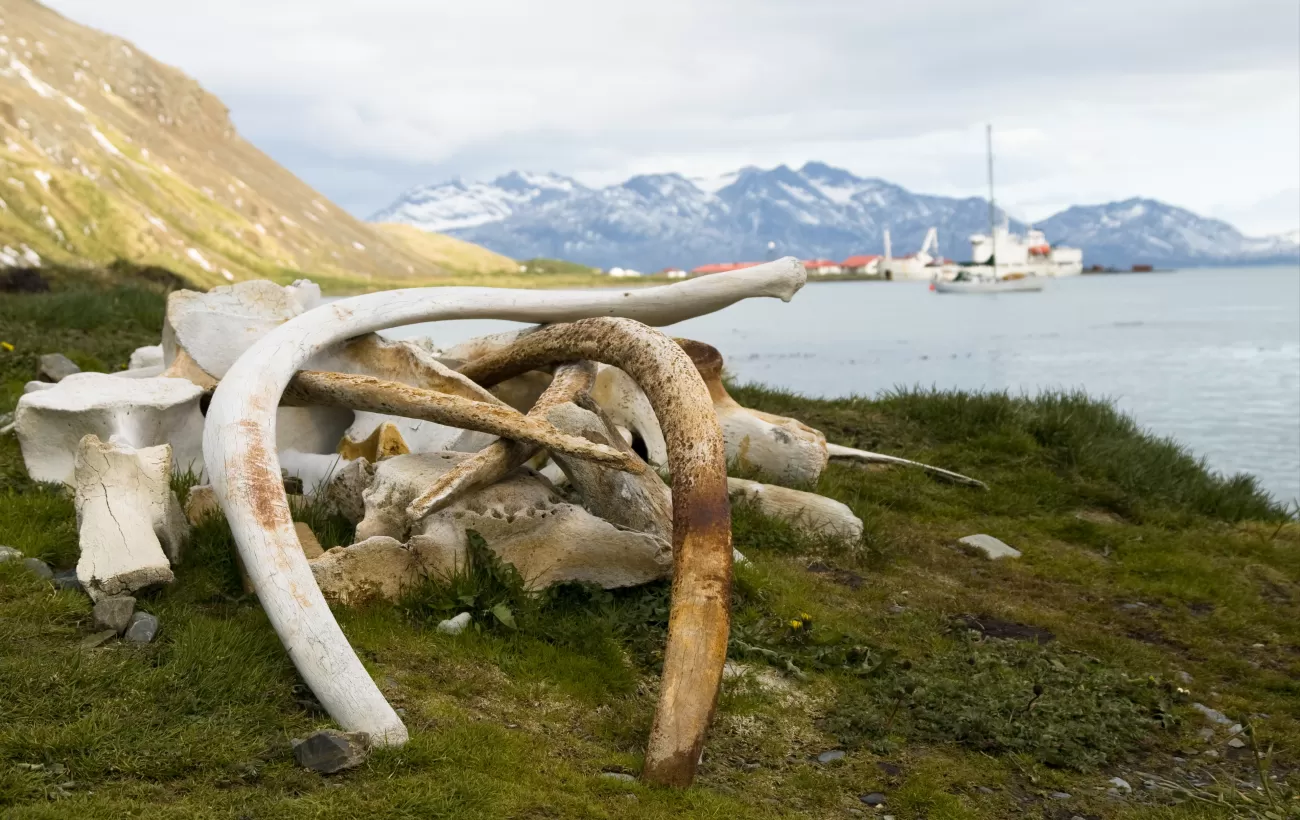
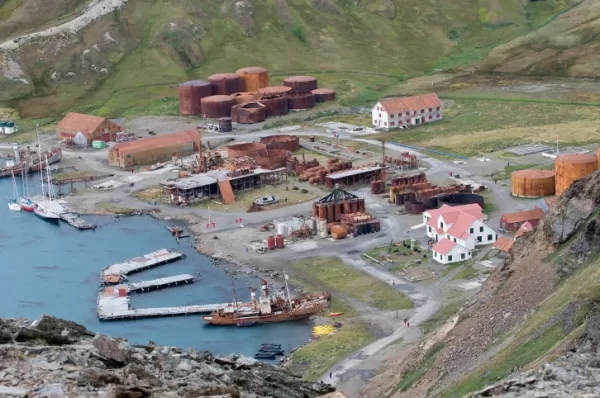
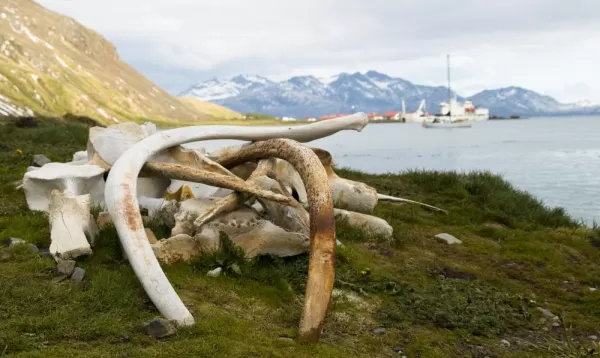
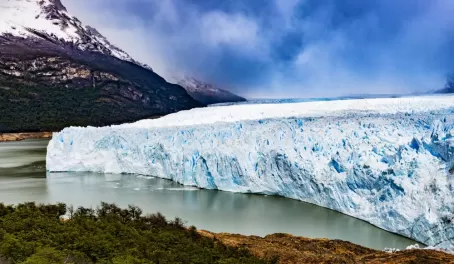
Early season Antarctica is an especially magical time pairing long clear days with an abundance of wildlife and spectacular lighting. Even the most novice photographer can’t help but take exceptional photos with the low hanging sun creating epic sunrises and sunsets, washing icebergs, ice, sea and sky in vivid colors. The voyage is timed to coincide with the arrival of the breeding season, when Antarctica’s wildlife converges in full force and mating behaviors at chaotic penguin cities can be observed. Icebergs, frequently clad with Chinstrap and Adélie Penguins, are also at their most captivating. Landings here are frequent, maximising the long daylight hours and the opportunities they present, eventful, occasionally unexpected and always exciting. You have 5 days, each with more than 20-hours of daylight, to explore multiple historic and wildlife rich landing sites, hidden bays, quiet coves and walk on the ice and snow of the Seventh Continent. Prepare to be dwarfed by nature as you discover alien landscapes and elaborate icescapes of unimaginable beauty carved by wind and waves. Look for, and walk among Gentoo, Chinstrap and Adélie Penguins; Weddell, Leopard and Crabeater Seals; in the water Humpback and Minke Whales fill these important feeding grounds along with Orca. Birders can gaze skywards for Cape, Storm and Snow Petrels, your constant companions while in Antarctica, along with predatory Antarctic Skua and the curious, ground-dwelling Snowy Sheathbill – the only bird in Antarctica without webbed feet. While specific landings cannot be guaranteed, they could include the following, and many other exciting opportunities: Elephant Island. It’s hard to believe this hostile environment of mostly vertical rock and ice cliffs sustained 22 crew from Shackleton’s Imperial Trans-Antarctic Expedition/Endurance Expedition for four-and-a-half months after their ship Endurance sank in the Weddell Sea. Elephant Island, part of the South Shetland archipelago, is also the starting point of Shackleton’s legendary rescue mission which would see him, and five of his crew, sailing the small lifeboat James Caird to South Georgia followed by a 36-hour hike to Stromness. Brown Bluff This scenic setting in the Antarctic Sound marries sheer stone walls, fallen boulders and ice-capped peaks is the location of a large, bustling Adélie Penguin rookery, where Gentoo Penguins and Snow Petrels can also be observed. Brown Bluff also offers exceptional views of the pink-tinged Madder Cliffs in Kinnes Cove. Whalers Bay, Deception Island Taking its name from a prolific whaling history and the island’s ‘hidden’ entrance, Whalers Bay is a designated Historic Site tucked away in a small natural harbor used by sealers and then whalers from the 1820s. The buildings, structures and artefacts linked to these activities represent the most significant whaling remains in the Antarctic. It’s also the location of a ‘heated lagoon’ and fascinating microclimate courtesy of volcanic activity with Antarctic Tern, Cape Petrel, Kelp Gull, Skua and Wilson’s Storm Petrel all breeding here. Cierva Cove A visit to Cierva Cove is sure to be a highlight as you weave through this magnificent body of water navigating astounding calved icebergs and ice sculptures set to the soundtrack of pops and crackles as air bubbles trapped for millennia escape the brash ice surrounding your Zodiac. Cutting deep into the spine of the Antarctic Peninsula, if lucky, you may see huge slabs of ice sliding down the 1,300-meter mountain chain. Ten species of bird breed here including a Chinstrap Penguin colony, Humpback Whales are regular visitors and the plant life includes mosses (Drepanocladus uncinatus), turf (Polytrichum alpestre) and Antarctic hair grass (Deschampsia Antarctica). Argentine research station Base Primavera is also located here. Petermann Island Petermann Island might be small, at just 1-kilometer long, but this volcanic outpost boasts some incredible features. More than half the island is covered by a permanent icecap and the island is both Antarctica’s northernmost Adélie Penguin colony, and southernmost Gentoo colony. It’s also the wintering site of renowned French Explorer Captain Jean-Baptiste Charcot’s second French Antarctic Expedition (1908–1910) aboard his aptly named ship Pourquoi-Pas? (Why Not?). Anchoring in a cove he named Port Circumcision, Charcot carried out extensive scientific, cartographic, and biological research and left behind a number of artifacts still visible today including the letters ‘PP’ engraved in stone. An Argentine refuge hut and commemorative cross signifying the deaths of three members of the British Antarctic Survey in 1982 can also be found on the island. Port Lockroy, Goudier Island Location of the famed Penguin Post Office, the world’s southernmost post office, Port Lockroy’s safe harbor in the Palmer Archipelago has attracted explorers, whalers, scientists, and sailors for more than a century. Featuring a young-ish (mid-80s established) Gentoo Colony, and historic sites and museum including Britain’s Base A, part of a wartime mission code-named Operation Tabarin, all set among a backdrop of snowy mountain ranges and ice caps, a visit to the time capsule that is Port Lockroy never disappoints. Paradise Bay Once the anchorage site for whalers’ floating factory ships, Paradise Bay is now considered one of Antarctic Peninsula’s most stunning locations delivering the ultimate, unrestrained, iconic and pristine Antarctic wilderness experiences just north of the legendary Lemaire Channel. Going beyond otherworldly to other planetary, expect towering mountain peaks, ancient glaciers jutting out of steely blue water and shimmering icebergs the size of buildings floating on water so millpond calm (weather permitting) it perfectly mirrors this incredible scene. Whales, Gentoo Penguins and Crabeater Seals are all known to frequent these waters and both Argentina’s Almirante Brown and Chile’s González Videla research stations are located here. Cuverville Island Cuverville Island combines a stunning, ice-capped landscape where steep cliffs and a boulder-strewn beach meet Antarctic Peninsula’s largest Gentoo Penguin population (home to some 14,000 birds), while its shallow bay features astounding monolithic grounded icebergs perfect for Zodiac exploration. With two-thirds of the island covered by a huge, pointed dome icecap and mostly steep surrounds, there is just one landing site where whaling artefacts, including whale bones and a whaler’s dam, can still be found. There is also the opportunity to stretch your legs where a moderately challenging uphill hike rewards with a new perspective and jaw-slackening panoramic views over the Errera Channel and the surrounding glaciers.