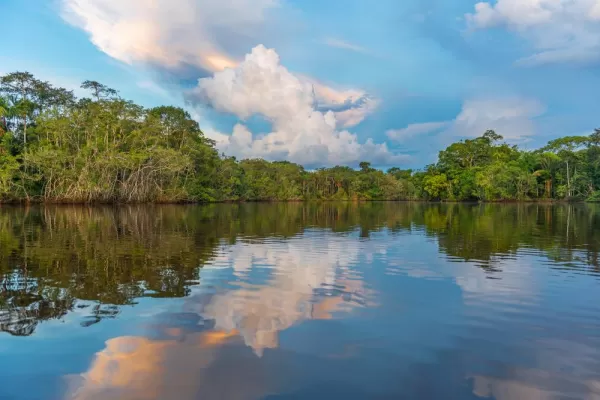
Guyana is located on the northern coast of South America and features a tropical climate. Understanding Guyana weather is essential for travelers, residents, and those involved in agriculture, as it influences tourism, farming, and daily life. From humid rainforests to coastal breezes, the climate shapes every experience in this diverse country.
Overview of Weather in Guyana
Guyana is about 63% rainforest. There the air is moist and rain frequent, though it often does not penetrate the canopy. The rainiest season is summer, though some rain falls throughout the year. Showers or thunderstorms usually come in the afternoon. Most days are said to have at least four hours of sunshine, and overcast is rare. Guyana is south of the hurricane belt. The ocean moderates the coastal heat, often with a sea breeze. The tepuis, the soaring mesas of Guyana, are often much cooler than the rainforest immediately below.
In general, the average shade temperature is 27°C (81°F). Average maximum is 31°C (88°F) and the mean minimum is 24°C (75°F). Particularly along the coast, the heat is greatly tempered by cooling breezes from the sea. There are two wet seasons in the north of the country, from May to June, and from December to January. The south and the Rupununi savannah region receive one wet season from May to July. All wet seasons may extend into months either side. Rainfall averages 2,300 mm a year in Georgetown. Walking bridge tour in the Ecuadorian Amazon (DarAnne Dunning)
Climate of Guyana
The climate of Guyana is tropical, hot, humid, and rainfall-driven.
Climate in Guyana
Climate in Guyana features warm temperatures and seasonal rainfall year-round.
Seasonal Weather Patterns in Guyana
Guyana experiences two rainy seasons and distinct dry periods, affecting travel, agriculture, and outdoor activities.
Major rainy season: May–August. Heavy rainfall may cause localized flooding in low-lying areas. Travelers should plan accordingly for excursions and river travel.
Minor rainy season: November–January. Light to moderate rain is common, with intermittent showers.
Dry seasons: February–April and September–October. These periods are ideal for tourism, wildlife viewing, and outdoor adventures.
Seasonal humidity fluctuates, with the wet season bringing higher relative humidity and the dry season slightly lower. Rainfall patterns influence farming cycles and the accessibility of remote areas, particularly in the interior rainforest regions.
Average Temperatures in Guyana
Average daytime temperatures range from 24°C to 31°C (75°F–88°F), with nighttime temperatures remaining relatively stable. Coastal areas tend to be cooler due to sea breezes, while inland regions and the rainforest can feel hotter and more humid. The heat index often makes the “feels like” temperature slightly higher than the recorded air temperature. Throughout the year, extreme temperature fluctuations are rare. Average Temperatures Table
Region / Season
Average High (°C/°F)
Average Low (°C/°F)
Notes
Georgetown (Coast)
31°C / 88°F
24°C / 75°F
Moderate by sea breezes
Rainforest Interior
32°C / 90°F
23°C / 73°F
Hotter and more humid
Rupununi Savannah
33°C / 91°F
21°C / 70°F
Warmer daytime, cooler nights
Tepuis (Table-top Mountains)
22°C / 72°F
16°C / 61°F
Cooler, especially at higher altitudes
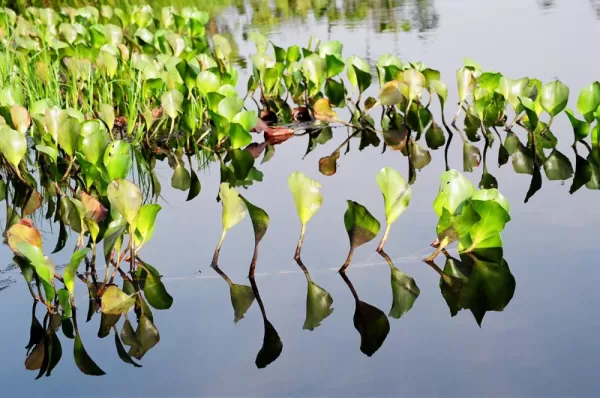
Water plants on an Ecuador tour (DarAnne Dunning)
Rainfall and Humidity Levels
Annual rainfall ranges from 2,000–3,000 mm depending on the region. The interior rainforests are the wettest areas, while the savannah regions receive less precipitation. Relative humidity is consistently high, between 70–90%, affecting daily life, clothing choices, and housing design. Travelers should pack light, breathable fabrics, rain gear, and be prepared for the occasional downpour.
Best Time to Visit Guyana Based on Weather
The ideal months for tourism are February–April and September–October, when rainfall is minimal and outdoor activities are easier. These dry periods are perfect for river excursions, rainforest treks, and wildlife viewing, including spotting turtles, birds, and jaguars. Travelers should pack sun protection, stay hydrated, and bring lightweight rain gear for unexpected showers. Planning trips around these months maximizes comfort and the enjoyment of Guyana’s natural beauty.
Our team is waiting and ready to talk with you about your next adventure.
So go ahead and book an appointment with one of our specialized trip planners.
Fabulous service for booking a cruise. Prompt response. Very satisfied
Christine Pavel
4 days ago
We have had excellent results when working with Adventure Life. We've just set up out third trip with them because the first two were great! Adventure Life has always listened, worked with us, and set up trips the way we've wanted. They've also found experiences we wouldn't have known about otherwise, that have been some of the highlights of the entire trip.
SA
4 days ago
Mary goes the extra mile to ensure smooth travel booking and trips! She recommends amazing journeys at a great value!
Beth Vance
1 week ago
Shannon was always quick to reply to my questions and her honest answers helped us identify the right trip for us. Off to a great start!
Lisa Jibson
1 week ago
Adventure Life planned an extraordinary trip to Uruguay where we were able to see a colonial town, modern city, the coast life, and the countryside. They planned beautiful experiences such as olive oil and cheese tastings, and horseback riding through the country. The local tour company was excellent, all were so kind, knowledgable, and professional. We highly recommend Adventure Life, as we have had several fantastic experiences with them and this trip was no exception!