Visiting Machu Picchu is a dream for many travelers going to Peru. High in the Andes, this Inca site is one of the most famous landmarks in the world. Learning about its history and features makes the visit even more meaningful. Here you’ll find useful information and some of the most interesting facts about Machu Picchu to help you prepare for your trip.
Exploring Machu Picchu ruins
Machu Picchu
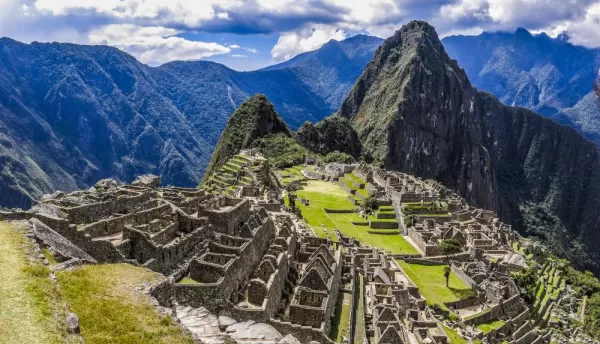
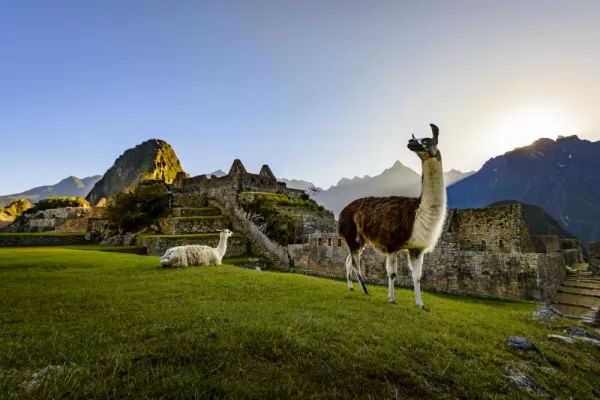
Machu Picchu is located in southern Peru, near the town of Aguas Calientes. It stands at 2,430 meters (7,970 feet) above sea level, surrounded by green mountains and cloud forest. Built in the 15th century by the Inca emperor Pachacuti, the site features temples, terraces, homes, and ceremonial areas. Many travelers hike the Inca Trail or other trekking routes to reach it, while others take the train from Cusco.
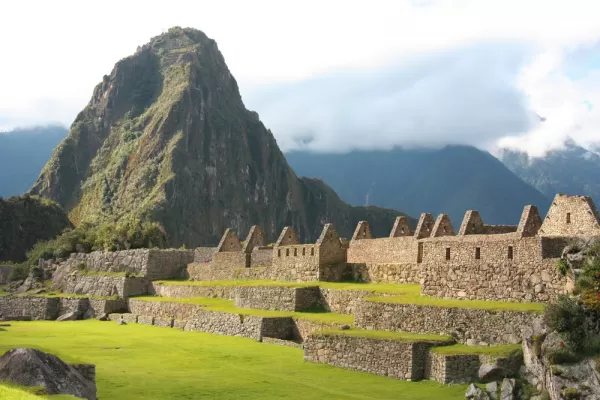
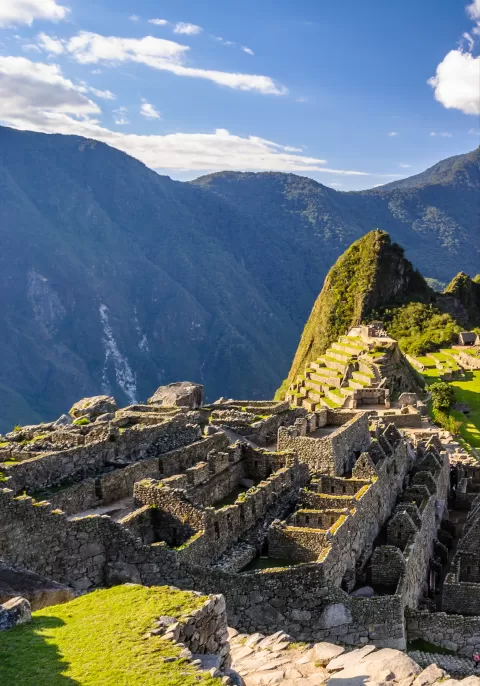
The ruins are not only beautiful, but also full of history and mystery. Scholars still debate the true purpose of the site—whether it was a royal estate, a religious sanctuary, or both. Today, it is a UNESCO World Heritage Site and one of the New 7 Wonders of the World, welcoming millions of visitors each year. Huayna Picchu rises high behind the Machu Picchu ruins during your Peru tour (Allison De Jong)
Fascinating Facts About Machu Picchu
Below is a list of 25 Machu Picchu facts every traveler should know. These are not just numbers or trivia—they will help you understand what makes this place so special when you finally see it in person.
1. Machu Picchu was built in the 15th century under the Inca emperor Pachacuti The Inca emperor Pachacuti ordered the construction of Machu Picchu in the mid-1400s. It became an estate for royalty and a place of ceremonies. This makes it one of the most important sites from the Inca Empire. 2. Rediscovered in 1911 by American explorer Hiram Bingham
Although locals knew of the site, American explorer Hiram Bingham brought it to world attention in 1911. He was guided by farmers to the ruins hidden in the jungle. His reports and photos introduced Machu Picchu to the global stage. 3. Located at 2,430 meters (7,970 ft) in the Andes Mountains
Machu Picchu sits high in the Andes Mountains of Peru. The altitude gives it cooler temperatures and breathtaking views. Visitors often need time to adjust to the elevation before hiking. 4. The Quechua name means “Old Mountain”
“Machu Picchu” comes from the Quechua language spoken by the Inca. “Machu” means old, and “Picchu” means mountain. The name reflects the towering ridge where the ruins were built. 5. Spanish conquistadors never found Machu Picchu
The Spanish destroyed many Inca cities, but they never reached Machu Picchu. This allowed the site to remain untouched for centuries. Its hidden location in the cloud forest helped protect it. 6. About 60% of the ruins are restored, and much is still hidden
Today’s visitors see many reconstructed areas of Machu Picchu. Archaeologists have restored around 60% of the site, giving a sense of its original look. However, parts of the ruins remain buried in the jungle. 7. Inca stonework fits perfectly without mortar The Inca carved stones with such precision that they fit together without cement. This technique helped the walls survive earthquakes for centuries. Visitors can see these seamless joints throughout the site. 8. Over 150 buildings exist, including temples, homes, and terraces
Machu Picchu is not just a single structure. The site contains more than 150 buildings, from temples and houses to terraces. Walking through them gives visitors a clear view of Inca life. 9. The Intihuatana stone aligns with the sun during solstices
The Intihuatana stone is one of Machu Picchu’s most mysterious features. It was likely used as a solar clock or calendar. During the solstices, the stone aligns perfectly with the sun’s position. 10. Terraces served as farms and prevented landslides
The Incas built agricultural terraces into the steep mountainside. These terraces grew crops like maize and potatoes. They also stabilized the slopes and reduced the risk of landslides. 11. Machu Picchu sits within a lush cloud forest
The site is located in a high-altitude cloud forest. This ecosystem is filled with orchids, moss, and dense greenery. The fog and mist add to its mysterious atmosphere. 12. Wildlife includes spectacled bears and rare orchids
Machu Picchu is not only ruin but also a wildlife habitat. The spectacled bear, Peru’s only native bear species, lives nearby. Visitors may also see hummingbirds and over 300 species of orchids. 13. UNESCO World Heritage Site since 1983
In 1983, UNESCO listed Machu Picchu as a World Heritage Site. This status helps protect it from overdevelopment and damage. It also highlights its cultural and natural importance to the world. 14. Named one of the New 7 Wonders of the World in 2007
In 2007, Machu Picchu was voted one of the New 7 Wonders of the World. Millions of people participated in the global poll. This recognition boosted tourism and made it a must-see destination. 15. Daily visitors are limited to about 4,500
To protect the ruins, Peru limits the number of daily visitors. Around 4,500 people are allowed to enter per day. Tickets often sell out in advance, so early booking is essential. 16. The Inca Trail trek takes 4 days to reach Machu Picchu
The classic Inca Trail is a 4-day hike through mountains and valleys. Trekkers pass Inca ruins and stunning landscapes before arriving at the Sun Gate. It is one of the most famous hikes in the world. 17. Other treks include Salkantay, Lares, and Inca Jungle routes
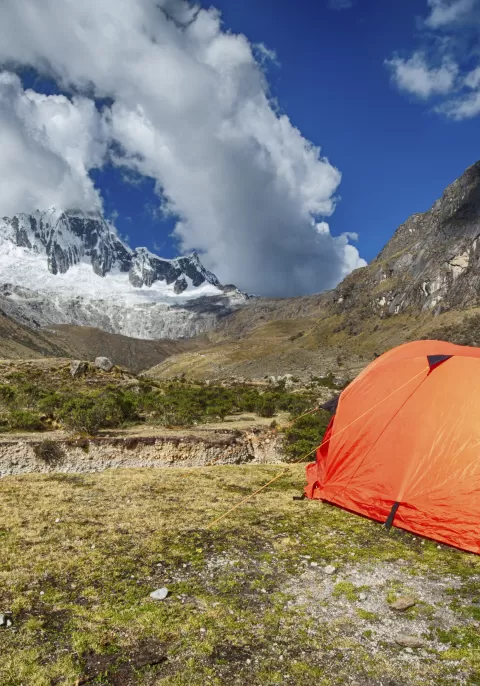
Besides the Inca Trail, there are alternative treks to Machu Picchu. The Salkantay trek is more challenging with snowy peaks. The Lares trek goes through traditional villages, and the Inca Jungle combines biking and hiking. 18. Built without wheels or iron tools, using only manpower
The Incas did not have wheels or advanced metal tools. They built Machu Picchu using stone hammers and manpower. This makes their construction achievements even more impressive. 19. Earthquake-resistant construction techniques were used
The Incas designed walls that could withstand earthquakes. Stones were cut to fit tightly, and the walls leaned slightly inward. This made the buildings flexible and strong during tremors. 20. Scholars debate if it was a royal retreat or ceremonial site
Historians still argue about Machu Picchu’s true purpose. Some believe it was a royal estate for Pachacuti. Others think it was a religious or astronomical center. 21. Abandoned in the 16th century during the Spanish conquest
Machu Picchu was abandoned in the 1500s when the Spanish conquered the Inca Empire. It may have been left empty to protect its location. Nature soon reclaimed the site until its rediscovery. 22. Many structures align with astronomical events
Several buildings at Machu Picchu align with the sun, moon, and stars. These alignments show the Incas’ advanced knowledge of astronomy. The Temple of the Sun is one of the best examples. 23. Surrounded by cliffs above the Urubamba River
Machu Picchu sits on a mountain ridge above the Urubamba River. Steep cliffs drop hundreds of meters on all sides. This dramatic location adds to its beauty and natural defense. 24. The Temple of the Sun is one of the most important sites
The Temple of the Sun is a curved tower built around a rock. It may have been used for ceremonies tied to the sun and stars. It is one of the most sacred places within Machu Picchu. 25. Machu Picchu welcomes over 1.5 million visitors annually
Every year, over 1.5 million people travel to Machu Picchu. Tourism brings income but also creates challenges for conservation. Visitor limits and timed entry are part of efforts to protect the site.
Ready to explore Machu Picchu and see these fascinating facts come to life? Hike the Inca Trail, visit ancient temples, and experience Peru’s rich history with a customized journey. Connect with our Trip Planners today to start planning
Our team is waiting and ready to talk with you about your next adventure.
So go ahead and book an appointment with one of our specialized trip planners.
We had a fabulous trip to Peru thanks to Adventure Life and their local partner guides. We are so grateful for the smooth transitions from place to place and the ease with which we were shepherded and informed and had our own needs and idiosyncrasies accommodated for throughout this once in a lifetime trip.
Patricia Talbot
3 weeks ago
Timely responses and great follow up. Trying to figure out what was best for us is a great attribute for Jane and her team.
Neil Chernin
1 month ago
This is my fourth trip with Adventure Life and, as in the past, the staff was very knowledgeable and helpful. they talk with you about your desires and provide excellent suggestions.
Robert Thompson
2 months ago
AL was both responsive and patient as I worked through scheduling issues and changes.