
Have questions? We're here.
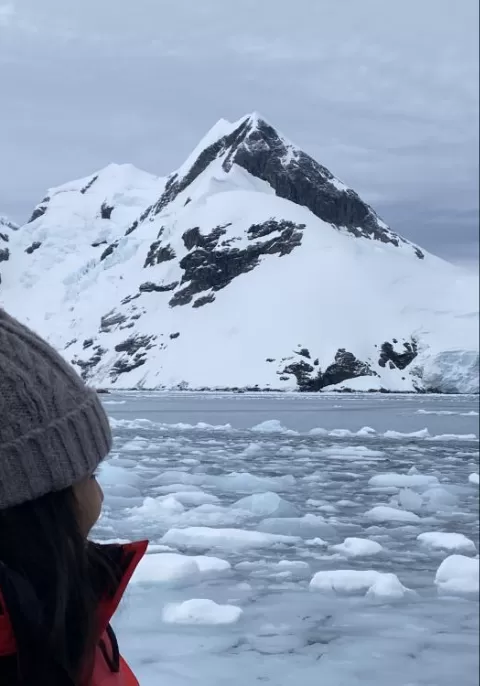


Yes, hiking Antarctica is more accessible than most think. Your Antarctica hiking cruise includes walks with guides leading small groups across diverse terrain. From gentle beach walks to more challenging hikes, you'll find options that match your abilities while hiking in Antarctica. Modern expedition ships provide excellent platforms for daily excursions and the staff experts know exactly where and how to go hiking in Antarctica's dynamic environment
Depending on the activity level of the expedition you select, you should be able to hike 2-4 hours over rugged terrain, including uphill. While no special skills are required, good health and stability on uneven ground are essential. Selecting a smaller vessel with fewer passengers (less than 100 passengers) will offer the best chances for maximizing time onshore and allow the best chances for elongated hiking time.
Most hikes involve moderate terrain, though conditions vary with weather and location. You should be able to climb stairs easily and maintain stability on shifting surfaces, including an ability to get in and out of a zodiac on the water. To prepare, walk and hike regularly before your trip. Doing so will help you make the most of our Antarctica hiking tours.
Expect close encounters with penguins, seals, and seabirds during your hikes. Though it’s not a guarantee you’ll see wildlife during your excursion, each month offers greater potential for various wildlife experiences:
Each location offers unique wildlife viewing opportunities while hiking Antarctica's diverse coastline.
Waterproof boots and layers are crucial. Some ships will provide boots or rental options, while others may require you bring your own. Pack moisture-wicking base layers and waterproof outer shells. Many ships provide safety gear and walking poles. Sunglasses and sunscreen are essential since the Antarctic sun reflecting off snow and ice is intense. Consider bringing gaiters to keep snow out of your boots. If you’re a photographer, pack your gear in a waterproof backpack.
The hiking season runs November through March. Early season offers pristine snow, while later months bring warmer temperatures and often more active wildlife. December and January provide the most daylight hours for extended hikes. Meanwhile, February and March offer the best chance of seeing whales from shore, though a sighting is not guaranteed. Weather conditions vary throughout the season, but experienced guides can help ensure you're hiking Antarctica at its best.
Difficulty varies from easy beach walks to more challenging treks on rocky terrain. Your guides choose routes based on conditions and group ability to ensure everyone can experience hiking across Antarctica safely.
They'll consider factors like snow conditions, wildlife activity, and weather patterns when selecting each day's hiking or walking routes. Most smaller expedition ships can offer a couple of hiking options each day if weather allows, which means you can choose your preferred activity level.

By submitting your email address, you are agreeing to opt in to marketing communications. We hold your information private and do not share it with third parties.

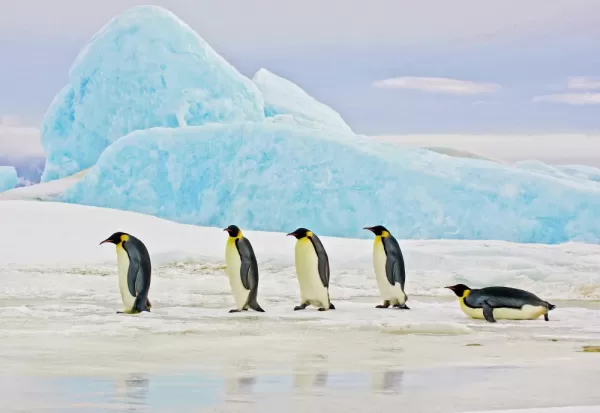
Our team is waiting and ready to talk with you about your next adventure. So go ahead and book an appointment with one of our specialized trip planners.
Let's Chat
We're not tied to any one cruise line, so you receive honest guidance on the best ship and itinerary for you—not a sales pitch.
Our extensive travel experience helps you avoid common pitfalls, maximize your time, and get the most out of every part of your trip.
With deep destination expertise in complex travel, we advise on how to maximize your time, avoid common pitfalls, and get the most out of every part of your trip.









No cost, no commitment. Talk with our experts about your dream trip.
Share your travel style—we match you with the right itinerary or create one just for you.
Lock in knowing every detail is handled and you’re fully supported.
Enjoy a seamless journey—and unlock 5% off your next adventure.