International Galapagos Tour Operators Association (IGTOA)
Protecting a priceless archipelago from destructive forces, allowing it to remain as it is, and keeping it that way forever is a task that seems unfathomable on a planet as interconnected as it has become. Yet, this remains the challenge. Unless the world comes together in support, the Galapagos Islands cannot be preserved for future generations. Like other parts of the world, they are increasingly threatened by invasive species, including microbes, insects, plants, animals, human settlement, and travelers. The question remains—does humanity have the courage and the wisdom to protect one of the most unique and pristine places on Earth? Learning more about some of the challenges facing the Galapagos Islands is an essential step in this effort.
Galapagos National Park Preservation
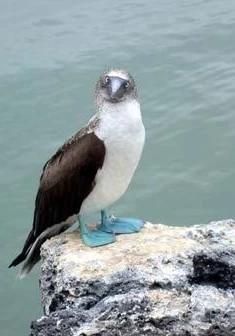
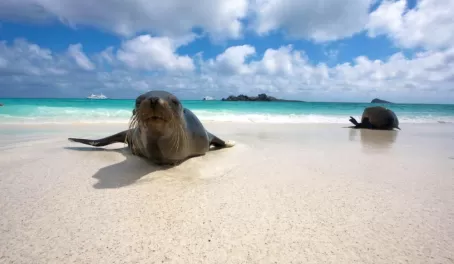
The Galapagos National Park Reserve, comprising 97% of the Galapagos archipelago, is a natural paradise, with inhabited areas and accommodations limited to the remaining 3% of the land area. The park, established in 1959 as Ecuador's first national park, is staffed by 350 official park workers and protects over 300 square miles of land and 53,000 square miles of ocean. The 127 islands and islets within the archipelago are home to over 2,000 species of animals, including Darwin's finches, giant tortoises, marine iguanas, and flightless cormorants. The park also conducts scientific research, manages conservation projects, and collaborates with local communities to promote environmental education and awareness. Additionally, in 1978, the Galapagos Islands were named a UNESCO World Heritage Site. All visitors are required to pay a USD $100 entrance fee to fund conservation projects that maintain and develop these fragile ecosystems.
To minimize the impact of tourism, the park has implemented strict regulations, such as:
- Limiting the number of visitors to most sites,
- Prohibiting the introduction of non-native species,
- Requiring park-certified guides on expeditions and during all activities to ensure visitor safety and wildlife protection,
- Prohibiting the feeding or touching of animals under any circumstances,
- Banning drones and flash photography that could disturb local wildlife,
- Forbidding the purchase of products or souvenirs made from local flora or fauna.
Being Part of the Solution
It is true that tourism has provided the primary reason for the conservation of the Galapagos Islands. Travelers serve as an important source of jobs and foreign exchange. Without visitors, there would be little defense against outright exploitation and extractive industries. However, tourism has a downside—those who visit the Galapagos are both part of the solution and part of the problem. From the earliest visitors, humans have unwittingly brought alien species that compete with native plants and animals. Their growing numbers, along with the boats and resources they use, put pressure on a fragile environment. Their presence encourages the migration of people, which imperils the entire ecosystem. Travelers need not feel guilt or avoid visiting. Armed with awareness, tourism can be shaped into a positive force, finding ways to give back more than is taken and ensuring that visitors are part of the solution.
How Travelers Can Help
To meet the enormous task of preserving the Galapagos, tour companies that are members of the nonprofit International Galapagos Tour Operators Association (IGTOA) are encouraging their travelers to join in the lasting protection of the islands. IGTOA believes that hope for the long-term survival of the Galapagos rests on a new model of tourism. Travelers and the travel industry must build a cohesive and permanent coalition for conservation and sustainable, responsible tourism. IGTOA collaborates with the Charles Darwin Foundation (CDF), which, for nearly 50 years, has carried out vital scientific and conservation projects.
Why Park Fees Are Not Enough
Only a small percentage of the Galapagos Park entry fee reaches the local community or the Galapagos National Park. None of it goes to the Charles Darwin Research Station, an organization vital to the survival of the Galapagos. A supplemental source of funds is urgently needed. Additional funding fills critical gaps and gives tourism an important, direct role in conservation. Although the CDF works closely with the Galapagos National Park, it does not receive funding from the Galapagos National Park entrance fee. It depends solely on the generosity of individuals and organizations throughout the world. IGTOA is teaming up with organizations in the U.S. and Europe, collectively known as Friends of Galapagos, to create new support for science, conservation, and education. Travelers are encouraged to follow their tour company's minimum suggested pledge for Galapagos conservation. Making this first step helps fuel critical conservation work, supports the scientific research that guides it, and funds programs that educate local people, allowing them to benefit from tourism and become better stewards of their own natural heritage.
Adventure Life's Galapagos Travelers
As fellow enthusiasts of the Galapagos, travelers are encouraged to assist in working towards the lasting protection of the islands. A voluntary minimum donation of $50 per person is included on tour invoices. This line item can be removed at the traveler's discretion. However, choosing to include this contribution with the final payment ensures that the donation will be used to fund critical scientific, conservation, and education work in the Galapagos National Park. Donors also receive a voucher matching their donation (up to $125 per person) for use on their next trip with Adventure Life.
Adventure Life and IGTOA launched this fundraising program in November 2006. As of April 2023, travelers have raised $217,620 for island conservation.
How to Contribute
Travelers are encouraged to contribute the minimum amount suggested by their IGTOA tour company member before their trip.
How Contributions Help
Donations support IGTOA's mission of creating a model of responsible and sustainable tourism in the Galapagos. This includes:
- Creating benefits and educational opportunities for local people,
- Strengthening responsible tourism management,
- Building strong financial support for conservation among the travel industry and travelers,
- Promoting high professional standards for the tourist industry.
Funds are allocated to projects sponsored or recommended by partner organizations, such as WildAid, Charles Darwin Foundation, Rainforest Alliance, the Galapagos Chamber of Tourism (CAPTURGAL), AGIPA (Galapagos Guides Association), and other Galapagos community-based organizations, including schools and foundations. Additionally, IGTOA alerts travelers, the public, and government agencies to potential threats. For more information on this funding program, travelers can visit IGTOA's website.
Thank You for Your Support!
This conservation effort would not be possible without the generosity of those who contribute.