Best Time to Visit Galapagos: Wildlife Viewing by Month & Weather Guide
Planning the best time to visit Galapagos is essential for travelers who want to experience both unique wildlife encounters and favorable conditions at sea and on land. The islands offer year-round opportunities, but each season comes with distinct advantages that affect your journey.
Seasonal Variations and Wildlife Encounters
The Galapagos Islands are never truly “off-season,” but timing plays a major role in what you’ll see. From nesting sea turtles to blue-footed booby courtship dances, wildlife activity follows natural cycles. During the warm, wet months (December–May), seas are calmer, skies are sunnier, and many species are nesting or hatching. In the cooler, dry season (June–November), nutrient-rich currents attract abundant marine life, making it prime for snorkeling and diving. Understanding these cycles helps visitors choose the best time to visit Galapagos based on their interests.
How Timing Shapes the Experience
Wildlife: Certain months are better for spotting iconic species like waved albatrosses or marine iguanas during breeding.
Ocean Conditions: Warmer waters (December–May) are ideal for swimmers, while cooler seas (June–November) bring richer marine biodiversity.
Accessibility: Weather patterns influence hiking conditions and sea travel between islands.
Galapagos Weather Overview
The islands lie near the equator, meaning temperatures stay mild year-round. However, Galapagos weather by month shifts between two main seasons:
Warm/Wet Season (Dec–May): Average air temperatures range from 77°F–88°F (25°C–31°C). Expect afternoon showers but calm seas and clear underwater visibility.
Cool/Dry Season (Jun–Nov): Cooler air (69°F–77°F / 21°C–25°C) with misty mornings, stronger currents, and nutrient-rich waters that attract seabirds and marine life.
By aligning travel plans with seasonal cycles, visitors can maximize wildlife sightings while enjoying comfortable conditions both on land and at sea.
The Galapagos Islands can be visited year-round, as their privileged location on the equator result in an ideal climate for vacationing or embarking on a cruise. You can visit either during the wet and warm season (December to May) or during the dry and cold season (June to November).
However, you might wish to plan your trip depending on which particular wildlife you’re hoping to see during your time there.
Best Time to See Wildlife in Galapagos: By Season and Month
One of the main reasons people visit the Galapagos Islands is the area’s rich biodiversity on land, sea, and air throughout the whole year.
No matter when you go, you will see colonies of marine iguanas populating the lava rock and sea lions playing gracefully among the myriad tropical fish, in addition to some of the best birding opportunities in the world. But if you want to see a specific animal’s breeding or nesting, then certain times are better than others.
Spot colorful iguanas in the Galapagos
Most of the reptiles in the Galapagos Islands (such as land & marine iguanas and green sea turtles) breed and nest during the rainy season, from December to May. In June, humpback whales visit the Islands, and the seabirds become gradually more active throughout the following months. Sea lions’ mating season takes place from July through December.
January
Birds- Land birds begin their nesting.
Reptiles- Green turtles begin laying their eggs; Land iguanas start reproductive cycles (Isabela); Marine iguanas are brightly colored (Espanola).
February
Birds- Greater flamingos begin nesting (Floreana); Black-tailed pintails begin breeding season; Nazca boobies end their nesting (Espanola); Galapagos Doves’ nesting season reaches a peak.
Reptiles- Marine iguanas begin nesting (Santa Cruz).
March
Birds- First Waved Albatrosses arrive at Espanola.
Reptiles- Marine Iguanas nest (Fernandina).
April
Birds- Waved Albatrosses arrive in great numbers to Espanola.
Reptiles- Giant tortoise end of hatching season; Green turtle eggs begin to hatch; Land iguana eggs begin to hatch (Isabela).
May
Birds- Blue-footed boobies begin courtship (North Seymour Island); Waved albatrosses begin laying eggs (Espanola); Storm petrels begin nesting period.
Reptiles- Green turtles hatching; Marine iguanas hatching (Santa Cruz).
June
Reptiles- Giant tortoises migrate from highlands to lowlands for nesting season (Santa Cruz).
Marine life- Humpback whales pass through the archipelago in groups.
July
Birds- Flightless cormorants perform courtship & nesting (Fernandina); American oystercatchers nest (Santiago); Blue-footed boobies nest.
Reptiles- Lava lizards begin the mating ritual.
Marine life- Whales & dolphins pass by the coast of Isabela Island.
August
Birds- Galapagos Hawk begin courtship (Espanola & Santiago); Nazca boobies & swallow-tailed gulls nest (Genovesa); Migrant waders begin to arrive.
Reptiles- Giant tortoises go back to the Santa Cruz highlands.
Mammals- Sea lions begin to give birth.
September
Birds- Galapagos penguins very active on Bartholomew; other seabirds are very active at their nesting sites.
Mammals- Sea lions are very active competing for female attention.
October
Birds- Lava herons begin building their nests; Blue-footed boobies raising chicks (Espanola & Isabela).
Reptiles- Giant tortoises laying eggs.
Mammals- Galapagos fur sea lion begins mating.
November
Birds- Brown noddies begin breeding; storm petrels begin second nesting period.
Mammals- Galapagos sea lions are pupping.
December
Birds- Young waved albatrosses beginning to fledge.
Reptiles- Green turtles have their mating display; Giant tortoise eggs begin to hatch.
Galapagos Tortoise (Kevin Moore)
Galapagos Islands Iconic Species - Quick Guide
The Galapagos Islands are home to a remarkable array of unique and iconic species that have evolved in fascinating ways to adapt to the Galapagos harsh conditions. Here is a list of some of the most important and renowned species found in the archipelago:
Galapagos Giant Tortoise: These gentle giants are among the most famous inhabitants of the islands, with each island having its own distinct subspecies.
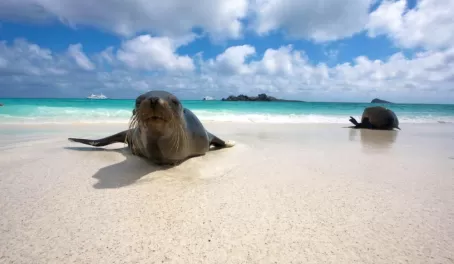
Galapagos Sea Lion: Playful and charismatic, these marine mammals can be found lounging on sandy beaches and rocky shores throughout the archipelago.
Marine Iguana: The only iguana species that forages in the ocean, the marine iguana is a fascinating creature with its ability to swim and feed on underwater algae.
Galapagos Penguin: The only penguin species found north of the equator, the Galapagos penguin thrives in the islands' cooler waters, displaying their agility in the water.
Blue-footed Booby: Known for their vibrant blue feet, these seabirds put on impressive courtship displays and are a highlight for many visitors.
Red-footed Booby: With their vibrant red feet and striking plumage, red-footed boobies are known for their graceful flight and impressive diving skills.
Nazca Booby: These seabirds with their distinctive black and white plumage and striking facial markings are an impressive sight during breeding season.
Flightless Cormorant: This unique bird has lost the ability to fly and has adapted to swim and dive for its food, making it a rare and intriguing sight.
Galapagos Hawk: The top predator in the archipelago, the Galapagos hawk is endemic to the islands and plays a crucial role in maintaining the balance of the ecosystem.
Darwin's Finches: These diverse species of finches were studied by Charles Darwin and played a significant role in the development of his theory of evolution.
Galapagos Land Iguana: With their distinct yellowish coloration, these land iguanas can be found basking in the sun and feeding on vegetation.
Waved Albatross: Known for their impressive wingspan and unique courtship dance, the waved albatross is a migratory bird that breeds exclusively on Española Island.
Galapagos Land Iguanas: These iconic reptiles are known for their yellowish coloration and can be found roaming the islands' arid landscapes.
Galapagos Frigatebirds: With their large wingspan and distinctive throat pouches, these seabirds are known for their impressive aerial displays.
Galapagos Fur Seals: Endemic to the islands, these agile marine mammals can be found resting on rocky shores and in coastal caves.
Galapagos Weather Overview
The Galapagos Islands boast a climate that experiences only slight changes throughout the year, creating a unique environment for visitors to explore. The archipelago is characterized by two distinct seasons, each offering its own remarkable moments and opportunities for adventure.
Dry vs. Wet Season: What You Need to Know
The Galapagos Islands have consistent peaks and valleys in the annual tourism season, and just as planning a trip during the high season means that tours are more expensive across the board, booking during the low season can mean significant savings.
Galapagos' Low Season falls between April & May and September & October, which is a good time to grab last-minute deals and look for promotions. Throughout the rest of the year, it’s a good idea to book your tour in advance to ensure that you have a spot. If you wait too long, there’s a chance that you won’t be able to reserve the itinerary or boat that you want, or you might not find any availability at all.
If you’re not chained down to certain dates, then consider booking a cruise at the last minute. Many boats offer major discounts (sometimes 50% off or more) if they have open cabins in the weeks or days before a cruise departs.
Galapagos High Season & Holidays. Booking your cruise over Christmas and New Year's is one of the busiest times of the year, which means prices can be pretty high. A Galapagos cruise can be a great way to spend the winter vacation, but if you’re looking for the best deals of the season, then think about booking a few weeks before or after when there’s less tourist traffic.
Warm/Wet Season (December to May):
During this season, the islands come alive with daily showers that last for short durations, typically no longer than a couple of hours. Temperatures hover around 80 to 90°F (27-32°C), creating a warm and pleasant atmosphere. The air and water temperatures are also higher, making it an ideal time for engaging in swimming activities such as snorkeling and scuba diving. Exploring the marine life becomes more comfortable during this period.
Cool/Dry Season (June to November):
In this season, the Galapagos Islands experience cooler temperatures ranging from 69.8 to 78.8°F (21-26°C). The islands are shrouded in a light fog known as "garúa," adding an enchanting ambiance to the surroundings. Skies may appear cloudier during the day, but the cool/dry season presents its own unique charm. Travelers are advised to wear a wetsuit while diving, as water temperatures may be slightly cooler. Despite this, the cool/dry season allows for pleasant exploration of the Galapagos Islands.
What is the best time to visit the Galapagos?
When planning a visit to the Galapagos, it is important to consider the best time to experience the wonders of this pristine destination. The cool/dry season, which aligns with the dry season, offers comfortable temperatures and less rainfall, making it an excellent choice for those seeking optimal weather conditions. It provides an opportunity to explore the islands while enjoying pleasant temperatures and clear skies. On the other hand, the warm/wet season, known as the peak season for marine life, offers fantastic opportunities for observing the diverse underwater world of the Galapagos.
It is worth noting that the Galapagos National Park closely monitors the seasons to ensure the conservation of this remarkable ecosystem and the protection of its inhabitants. The regulations set by the park aim to maintain the fragile balance of the archipelago's unique wildlife and ecosystems.
No matter the time of year you choose to visit, the Galapagos Islands offer a captivating blend of unique wildlife, stunning landscapes, and remarkable weather conditions. Immerse yourself in the wonders of this natural paradise, where the temperature, water conditions, and marine life create an unforgettable experience that will leave you in awe of the Galapagos' natural splendor.
Month-by-Month Guide to Visiting the Galapagos
Galapagos Weather - Month by Month
Best times to Visit
Jan
Feb
Mar
Apr
May
Jun
Jul
Aug
Sep
Oct
Nov
Dec
Avg Max Temp °C/°F
30/86
30/86
31/88
31/88
26/79
26/79
26/79
26/79
26/79
27/81
28/82
29/84
Avg Min Temp °C/°F
22/72
24/75
24/75
24/75
22/72
21/70
19/66
19/66
19/66
20/68
21/70
22/72
Avg Precipitation mm/in
117/4.6
100/4.0
73/3.0
15/0.6
5/0.2
8/0.3
5/0.2
5/0.2
5/0.2
8/0.3
12/0.5
60/2.4
Avg Water Temp °C/°F
24/76
25/77
25/77
25/77
24/76
23/73
22/71
21/70
22/71
22/72
23/73
24/74
Whale Watching
Low
Low
Low
Low
Low
Low
High
High
High
High
High
Low
Best Time to Visit Galapagos: Weather & Wildlife by Month
Understanding Galapagos weather by month helps travelers choose the best time for wildlife encounters and smooth sailing conditions. Each season brings unique experiences both on land and at sea:
January–March: Warm waters make snorkeling ideal, light rain nourishes the islands, and it’s peak bird nesting season.
April–June: Cooler currents begin, sea turtles nest, and there are fewer tourists, making it a quieter time to visit.
July–September: The cool season offers nutrient-rich waters, attracting incredible marine life. This is also when playful sea lion pups are born.
October–December: Seas calm, vegetation flourishes, and migratory birds arrive, creating excellent conditions for both land and sea exploration.
Galapagos Weather by Month (Overview)
Average Temperatures: Highs range from 26–31°C (79–88°F), lows from 19–24°C (66–75°F).
Rainfall: Heaviest between January–March, driest from May–October.
Water Temperature: Warmest (25–27°C / 77–81°F) in Jan–Apr, coolest (21–23°C / 70–73°F) in Jul–Sep.
Wildlife Highlights: Whale watching peaks June–November, with varied bird and reptile breeding seasons throughout the year.
With its year-round wildlife activity and mild climate, there’s never a bad time to visit—but the “best” time depends on whether travelers prefer calmer seas, vibrant greenery, or peak marine encounters.
Galapagos Sea Conditions
Exploring the Galapagos means experiencing unique wonders both on land and underwater. Ocean conditions, shaped by shifting currents, influence activities like snorkeling, diving, kayaking, and swimming.
From June to November, stronger trade winds can make waters choppier, though the islands help shield travelers from rough seas. Inter-island crossings may take 4–6 hours with moderate swells, but storms are rare. The Humboldt Current brings colder waters during July–December, while El Niño can cause warmer seas and more rainfall between January–June. Water temperatures range from 70–80°F (21–27°C) in the warm season (Dec–Jun) and 65–75°F (18–23°C) in the cool season (Jul–Nov).
These changing conditions create thrilling opportunities to snorkel with sea lions, dive among vibrant marine life, or kayak through pristine waters. With preparation and guidance, visitors can safely enjoy unforgettable adventures while respecting the fragile ecosystem.
When to Visit Galapagos for Snorkeling and Diving
The archipelago's stunning marine biodiversity attracts countless visitors each year, offering unforgettable encounters with a wide array of captivating species. If you wish to dive in warm and calm waters, December to May - the warm/wet season - is ideal despite a slight decrease in migratory wildlife. June to November - the cool/dry season - is a great time to view local and migratory marine animals, yet you might encounter heavier winds. During the warm season, snorkelers can comfortably explore the vibrant underwater world without a wetsuit, encountering Galapagos turtles, sea lions, marine iguanas, colorful starfish, and schools of fish. During the cool season, snorkelers and divers may benefit from wearing wetsuits to stay warm during their underwater explorations. However, this season brings abundant marine wildlife, including increased whale and dolphin sightings, whale sharks, sea lion pups, and active Galapagos penguins.
What kind of wetsuit should you wear?
For snorkelers, a 3mm wetsuit is sufficient, while scuba divers are recommended to wear a 5mm wetsuit with gloves and a hood. Cruise ships and diving trips will usually provide the necessary equipment.
When to Go to Galapagos for Hiking
The Humboldt Current, which travels north-westward along South America's west coast from June to November, brings in cooler temperatures making it the best time to hike. Galapagos Best Hikes
The Galapagos Islands offer a variety of captivating hikes that allow visitors to explore the unique landscapes and encounter fascinating wildlife. Here are some of the best hikes in the Galapagos:
Sierra Negra Volcano (Isabela Island): Embark on a challenging hike to Sierra Negra, one of the world's largest active calderas. The trail takes you through otherworldly lava fields and offers breathtaking views of the vast volcanic crater.
Punta Pitt (San Cristobal Island): This hike takes you to a spectacular viewpoint where you can observe the impressive frigatebirds and blue-footed boobies nesting on the cliffs. Enjoy panoramic views of the island's coastline and marvel at the diverse birdlife.
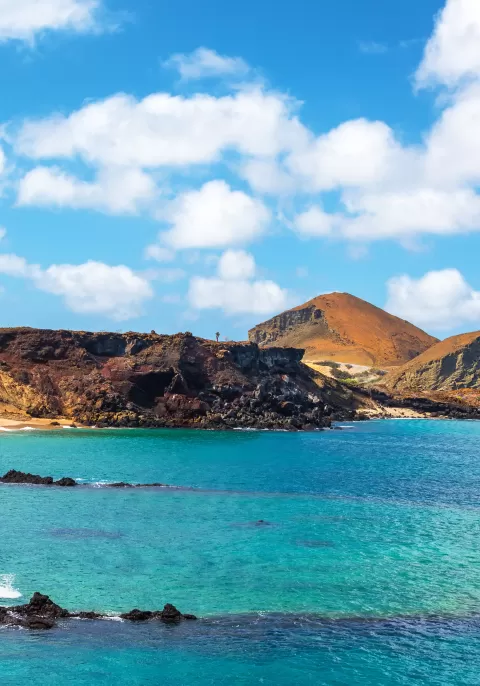
Bartolome Island: Climb to the summit of Bartolome Island for a panoramic view of the iconic Pinnacle Rock and the surrounding turquoise waters. The hike involves ascending a wooden staircase, and the reward is a stunning vista of this iconic Galapagos landmark.
North Seymour Island: Explore the rocky trails of North Seymour Island, known for its abundant wildlife. Encounter frigatebirds, blue-footed boobies, land iguanas, and sea lions as you walk along the island's coastline.
Santa Cruz Highlands: Take a hike through the lush highlands of Santa Cruz Island, where you can encounter giant tortoises in their natural habitat. Walk among towering Scalesia trees and enjoy the peaceful ambiance of this pristine environment.
Remember to abide by the Galapagos National Park Regulations, which have been designed to protect the fragile environment of the Galapagos archipelago while ensuring the safety of visitors.
How to Prepare for a Hike in the Galapagos
Keep in mind that the terrain in Galapagos is varied and rugged, influenced by its volcanic origin. Hiking trails can range from rocky and uneven surfaces to sandy paths. Therefore, it is essential to wear proper footwear with thick soles that provide grip and support, ensuring stability on different terrains. A sturdy pair of hiking shoes or boots is recommended. Additionally, don't forget to bring sun protection such as sunscreen with a high SPF, a wide-brimmed hat or cap to shield yourself from the strong equatorial sun, and sunglasses to protect your eyes from the glare. It's also advisable to carry a reusable water bottle to stay hydrated throughout the hike. Following these guidelines and being prepared with the necessary equipment will enhance your hiking experience in the Galapagos Islands while respecting and preserving this remarkable natural habitat.
No matter the time of year you choose to visit this remarkable location, hiking through the diverse routes available will allow you to experience the best that the Galapagos Islands have to offer. It's important to note that the Galapagos Islands can be considered a year-round destination, with each season offering its own unique highlights and wildlife encounters. Whether you explore the lava fields, volcanic craters, lush highlands, or coastal trails, you'll have the opportunity to witness the remarkable biodiversity and pristine natural beauty of the islands.
What are the Main Galapagos Islands Visited on Tours and Cruises?
San Cristobal Island: As one of the oldest islands in the Galapagos, San Cristobal offers diverse landscapes and is home to the famous Kicker Rock, a popular snorkeling and diving spot.
Santiago Island: Santiago Island is known for its volcanic landscapes, including the famous Sullivan Bay with its striking lava formations and the black sand beach of Puerto Egas.
Isabela Island: Isabela Island is the largest island in the Galapagos and is known for its stunning volcanic landscapes, including the Sierra Negra volcano.
Santa Cruz Island: Santa Cruz is the central island of the Galapagos and is home to vibrant town of Puerto Ayora and the Charles Darwin Research Station, dedicated to protect and study the islands' unique species.
Española Island: Española Island is the breeding site of the waved albatross, an impressive seabird known for its elaborate courtship rituals and remarkable wingspan.
Genovesa Island: Also known as "Bird Island," Genovesa is a haven for birdwatchers, with vast colonies of seabirds such as red-footed boobies, frigatebirds, and swallow-tailed gulls.
North Seymour: North Seymour Island is known for its abundant wildlife, including magnificent frigatebirds, blue-footed boobies, and playful sea lions.
Fernandina Island: Fernandina is the youngest and most pristine island in the Galapagos, with a stark volcanic landscape and the opportunity to spot flightless cormorants.
Floreana Island: Floreana Island has a rich history, including intriguing stories of early settlers, a famous post office barrel, and the chance to see the endangered Galapagos penguin.
North Seymour Island: North Seymour Island is a haven for nesting and breeding seabirds, with large colonies of magnificent frigatebirds and blue-footed boobies.
Bartolome Island: Bartolome Island offers stunning panoramic views from its summit, including the famous Pinnacle Rock, and is a popular snorkeling spot to observe marine life and Galapagos penguins.
South Plaza Island: South Plaza is a captivating isle known for its vibrant red and yellow sesuvium plants, as well as its population of land iguanas and sea lions. It offers scenic walking trails with stunning views of the surrounding cliffs.
Tips for Planning Your Trip to the Galapagos
Planning ahead ensures the best experience in the Galapagos Islands. Here are a few essentials to keep in mind:
Booking in Advance for Peak Wildlife Months
The most popular times to visit align with key wildlife events, such as sea turtle nesting (April–June) or sea lion pupping season (July–September). Since these months are in high demand, securing flights, cruises, or land-based tours well in advance is recommended.
Packing Essentials per Season
What you bring depends on the season. During the warm, wet season (Jan–Jun) pack lightweight clothing, a rain jacket, sun protection, and good sandals for wet landings. In the cool, dry season (Jul–Dec), include layers for breezy evenings, a wetsuit or thicker rash guard for cooler waters, and sturdy walking shoes for hikes on volcanic terrain.
Choosing Between Cruises vs. Land-Based Tours
Cruises allow travelers to visit multiple islands, maximize wildlife encounters, and experience smooth logistics. Land-based tours, meanwhile, offer more flexibility, time in local towns, and opportunities to combine adventure with relaxation. Both options showcase the Galapagos’ unique landscapes and wildlife—it’s a matter of personal travel style.
By submitting your email address, you are agreeing to opt in to marketing communications. We hold your information private and do not share it with third parties.
Tilly P.
Galapagos
Chat Galapagos with a specialist
Our team is waiting and ready to talk with you about your next adventure.
So go ahead and book an appointment with one of our specialized trip planners.