How Many Galapagos Islands Are There? List of Galapagos Islands & Guide
The islands of the Galapagos stand as one of the most biologically significant destinations on the planet, offering visitors a rare opportunity to witness wildlife found nowhere else on Earth. Volcanic islands located off the coast of Ecuador, the Galapagos is home to an astonishing array of species, such as the equator-dwelling penguins to marine reptiles that swim through the sea.
This place is recognized as a
UNESCO World Heritage Site and protected under the
Galápagos National Park. The islands gained more popularity and
global scientific importance following Charles Darwin’s 1835 visit, which played a pivotal role in the development of his theory of evolution.
Today, the islands in the Galápagos continue to serve as a living laboratory for the study of adaptation and biodiversity.
Islands of the Galapagos: Quick Facts
The islands in Galapagos are part of Ecuador and lie approximately 600 miles (1,000 kilometers) west of the mainland in the Pacific Ocean. According to Britannica,
the archipelago includes 13 major islands, 6 smaller ones, and more than 100 islets and rocks.
Only four of the islands in the Galapagos are inhabited, namely,
Santa Cruz,
Isabela,
San Cristóbal, and
Floreana. The total land area is about 3,040 square miles, while the surrounding Galápagos Marine Reserve covers more than 51,000 square miles, making it one of the largest marine protected areas in the world. Strict conservation laws regulate all travel and scientific activity to preserve the fragile environment.
Among the creatures one can witness in the islands in the Galapagos are blue-footed boobies, sea lions, and tortoises to name a few.
Island-by-Island Wildlife Guide
Each of the islands in the Galápagos offers its unique landscapes. From red-sand beaches to volcanic cliffs, no two islands are the same, and that makes every stop an adventure in itself.
Whether inhabited or remote, each island reveals a different side of this extraordinary archipelago.
1. Santa Cruz Island
Santa Cruz is one of the most accessible and developed islands of the Galápagos.
It serves as a central hub for land-based tours.
A must-visit highlight is the Charles Darwin Research Station. It’s where travelers can learn about ongoing conservation work, particularly for giant tortoises.
The island’s lush highlands provide the rare opportunity to observe wild tortoises roaming freely in their natural habitat. Hikers can also explore lava tunnels that snake beneath the ground.
Puerto Ayora, the main town, offers accommodations, dining, and quick access to nearby islets. Santa Cruz also serves as a departure point for many
Galápagos cruises and ships. Learn more about visiting Santa Cruz and other islands of the Galapagos
with Adventure Life.
2. Isabela Island
Isabela, the largest of the islands in the Galapagos, features six volcanoes and five subspecies of giant tortoises, each tied to a different highland. Wildlife enthusiasts can snorkel in areas like Los Tuneles or Tintoreras, where they may encounter penguins, rays, sea turtles, and reef sharks.
Puerto Villamil is the main settlement and offers easy access to inland trails and coastal marine life. Hikers often visit the Sierra Negra Volcano, while those on multi-day tours of islands in Galapagos may explore Isabela’s rich marine biodiversity.
Its varied terrain and protected waters make it an ideal stop for cruise-based and land-based travelers alike.
3. Floreana Island
Floreana is a quiet island steeped in both natural and human history. At Punta Cormorant, visitors can view flamingos wading in a lagoon, while Devil’s Crown offers one of the archipelago’s most colorful snorkeling spots.
The submerged volcanic cone shelters diverse marine species, from parrotfish to white-tip reef sharks. Travelers can also take part in the centuries-old tradition at Post Office Bay, where handwritten postcards are left and delivered by fellow visitors.
Among this list of Galapagos Islands, Floreana is an ideal destination for travelers who want to experience wildlife and reflect on the archipelago’s early settlers. Because of its small population, the island offers an intimate, off-the-beaten-path feel. Floreana is typically included in longer
Galápagos cruise itineraries.
4. San Cristóbal Island
As the capital of the Galápagos province, San Cristóbal is one of the most unique islands of the Galapagos, blending wildlife, history, and recreation. Punta Pitt is a prime birdwatching area where visitors can see all three booby species:
blue-footed, red-footed, and Nazca.
Cerro Brujo, with its white sands and eroded coastline, is perfect for photography and sea lion spotting. El Junco Lagoon in the island's highlands provides a rare look at one of the archipelago’s few freshwater lakes.
Puerto Baquerizo Moreno, the main port town, is popular for surfing, snorkeling, and departure on longer tours. San Cristóbal also hosts a small airport, making it an ideal entry or exit point for tours of the islands in the Galapagos. Explore more about
San Cristóbal and other featured islands.
5. Fernandina Island
Fernandina Island is one of the most geologically active and pristine islands in the Galápagos. It is home to the largest colony of marine iguanas in the world. Other highlights include sightings of flightless cormorants, Galápagos hawks, and sea lions along the rugged coastline.
The island is uninhabited and only accessible by select live-aboard cruise itineraries. Its stark lava fields and dramatic shoreline provide a glimpse into the volcanic origins of the archipelago.
Most tours include guided walks over the terrain, offering close wildlife encounters. Among this list of Galapagos Islands, Fernandina remains a favorite for photographers and nature lovers seeking a remote experience.
6. Española Island
Known for its endemic wildlife and nesting bird colonies,
Española Island is one of the southernmost islands of the Galápagos. From April to December, it hosts nearly the entire global population of waved albatrosses.
Visitors can also see red and green marine iguanas, along with colonies of Nazca and blue-footed boobies along the cliffs of Punta Suarez. Gardner Bay offers soft-sand beaches and snorkeling opportunities in calm waters.
The island’s cliffs provide exceptional views for birdwatching and photography.
Española is typically included in longer cruise itineraries through the islands of the Galapagos due to its remote location. It's a top destination for travelers seeking iconic Galápagos wildlife encounters.
7. Santiago Island
Santiago Island offers a striking blend of wildlife and volcanic scenery.
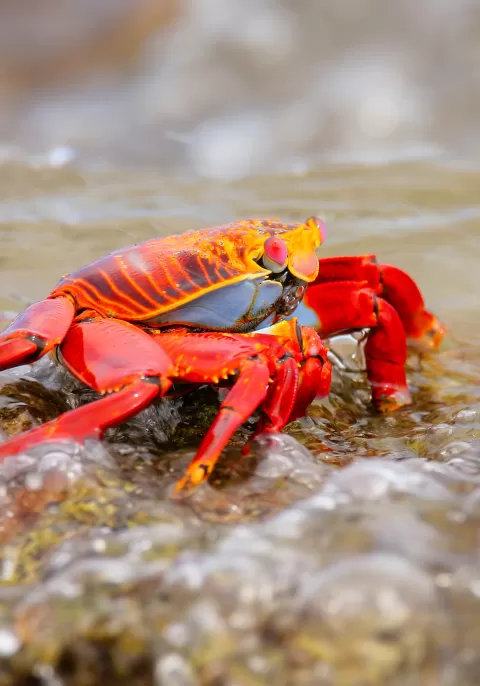
At Puerto Egas, black sand beaches and lava tide pools are home to Galápagos fur seals, Sally Lightfoot crabs, and hunting herons.
Hikers often explore lava flows and geological formations formed by past eruptions. The island’s coastal ecosystems also attract Galápagos hawks and marine iguanas.
Santiago is a popular stop on longer cruise itineraries through the islands of the Galapagos. Visitors are drawn to its remote feel and the sense of untouched wilderness. Santiago serves as a key example of the delicate balance between volcanic terrain and thriving life.
8. North Seymour Island
North Seymour is famous for its bustling seabird colonies and dramatic mating displays.
One of its most iconic residents is the male frigatebird, which inflates a red throat sac to attract mates.
Among the islands in Galapagos, North Seymour also features a large population of blue-footed boobies and playful sea lions along the shore. Trails wind through arid vegetation which allow close-up views of nesting sites.
This small island is easy to explore in a few hours and is typically included on day trips or cruise stops. Learn more about visiting
North Seymour Island here. It’s a favorite for photographers looking to capture wildlife behavior in action.
9. Rabida Island
Rabida Island stands out among the names of Galapagos Islands for its distinct red sand beaches,
created by high iron content in volcanic rock. The island is home to colonies of brown pelicans and nine species of Darwin’s finches.
Galápagos hawks are also commonly sighted, particularly around the coastal cliffs and lagoon. Snorkeling in the nearby waters often reveals sea lions, colorful fish, and even reef sharks.
Rabida’s varied terrain and unique coloring make it one of the most visually striking islands in Galapagos. Its trails offer a chance to experience dry forest and coastal environments in one compact area.
The contrast of red sand and turquoise waters is especially photogenic.
10. Chinese Hat
Chinese Hat, or Sombrero Chino, is a tiny islet shaped like a traditional Asian conical hat. Like other islands in the Galapagos, it’s a hotspot for snorkeling and wildlife viewing.
Sea lions, Galápagos penguins, and marine iguanas are frequently spotted along the lava shoreline. The surrounding waters are rich in marine life, including rays, colorful reef fish, and white-tip reef sharks.
Visitors can also enjoy short hikes across the volcanic terrain. Its calm, protected waters make Chinese Hat one of the most ideal islands of the Galapagos for families or first-time snorkelers.
This site is often included on day trips from Santa Cruz or cruise itineraries.
11. Genovesa Island
Nicknamed “Bird Island,”
Genovesa is a must-visit for bird lovers.
The island’s volcanic crater creates dramatic cliffs and sheltered bays, ideal habitats for species like red-footed boobies, storm petrels, and swallow-tailed gulls.
Trails at Darwin Bay and Prince Philip’s Steps offer fantastic vantage points for birdwatching. Genovesa is one of the few islands in Galapagos where red-footed boobies nest in abundance.
Because of its remote location, it is typically only included on longer cruise routes. The eerie beauty of its landscapes combined with its avian diversity makes it one of the most unforgettable stops in this list of Galápagos Islands. Wildlife photography opportunities here are unparalleled.
12. South Plaza Island
South Plaza Island is small in size but big in biodiversity. Among the names of Galapagos Islands we’ve discussed, it is best known for its vibrant land iguanas and striking cactus forests.
The island’s dramatic cliffs also overlook colonies of sea lions and nesting seabirds. Visitors can walk along well-maintained trails that provide stunning ocean views and up-close encounters with wildlife.
South Plaza is a great stop for half-day excursions or part of larger cruise itineraries through other islands in the Galapagos. The contrast of red and green vegetation against the blue sea makes for stunning landscapes. This island is particularly popular during the dry season when iguanas become more active.
13. Santa Fe Island
Santa Fe is home to a unique species of pale-yellow land iguana found nowhere else in the world.
The island also features dense forests of giant Opuntia cacti, which provide both food and shelter for many endemic species.
Calm bays make it perfect for snorkeling or kayaking with sea lions and sea turtles. The anchorage is usually included in cruise itineraries that focus on the central islands. With its rugged coastline and endemic wildlife, Santa Fe offers one of the best chances to observe animals up close.
The waters are often so clear that you can spot rays gliding below your boat. It’s a must for travelers seeking off-the-path exploration from their trip to the islands of Galapagos.
14. Mosquera Island
More of a sandbar than a full island,
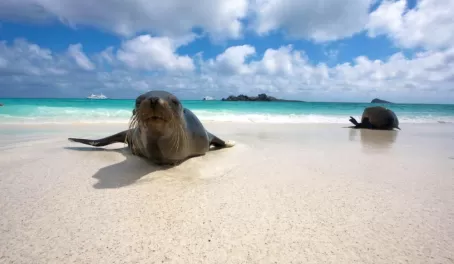
Mosquera is home to one of the largest sea lion colonies in the Galápagos.
The long, white sand beach is perfect for up-close wildlife encounters and beach photography.
Because the island is flat and open, it provides excellent opportunities to observe sea lions at rest and play. The surrounding waters are also ideal for snorkeling, often revealing rays, fish, and occasionally sharks.
With very few visitors at a time, the setting feels peaceful and intimate. Mosquera is typically visited on shorter cruise itineraries or day trips from Santa Cruz. Like other islands in the Galapagos, it's an excellent location for nature lovers and photographers alike.
15. Baltra Island
Baltra Island serves as the main entry and exit point for most travelers arriving to the islands of the Galápagos by air. Although it’s primarily used for transit, Baltra has historical significance due to its use as a U.S. airbase during World War II.
The nearby Itabaca Channel separates Baltra from Santa Cruz, and most cruises through the islands of the Galapagos begin or end here.
While it lacks major wildlife attractions, it plays a vital logistical role in connecting travelers to other islands. Airport transfers are well-organized, and many tours include immediate boarding of ships after arrival.
16. Daphne Island
Daphne Major is off-limits for most land visits, but its silhouette is often visible on cruise routes.
The island played a crucial role in long-term evolutionary research, particularly the famous studies on Darwin’s finches by Peter and Rosemary Grant.
While landing is restricted, cruises through the islands of the Galapagos often pause nearby for birdwatching and photography. The volcanic crater and steep slopes provide nesting habitats for blue-footed boobies and other seabirds. It’s often referenced in evolutionary biology discussions and Galápagos documentaries.
17. Wolf and Darwin Islands
Located far to the north of the main archipelago,
Wolf and
Darwin are the only islands in Galapagos accessible via liveaboard dive cruises.
These remote islands are considered some of the world’s best dive sites.
Divers can encounter massive schools of hammerhead sharks, seasonal whale sharks, dolphins, and large pelagic fish. Because there are no land excursions, the experience here is purely underwater.
The nutrient-rich waters make for high-adrenaline dives and unforgettable marine life sightings. Advanced divers and marine enthusiasts often consider Wolf and Darwin the highlight of a Galápagos diving itinerary.
Permits and tour spaces are limited. This makes early booking to these islands of the Galapagos essential.
18. Bartolomé Island
Bartolomé Island is one of the most visually iconic islands in Galápagos, thanks to Pinnacle Rock, which is its famous lava spire rising from turquoise waters. The island offers a short but steep hike to a panoramic viewpoint where one can see lava fields and surrounding bays.
It’s also one of the few places where visitors can snorkel with Galápagos penguins in calm waters. Sea turtles, rays, and reef fish are often seen as well.
Bartolomé is included in many central cruise itineraries through islands of the Galapagos due to its scenery and accessibility.
Its striking contrasts of barren lava and vibrant marine life make it a top destination. Whether hiking or snorkeling, this island leaves a lasting impression.
Why the Islands of the Galapagos Should Be on Your Bucket List
Every one of the
islands in the Galápagos holds a wild secret waiting to be uncovered. From the moment you arrive, you’re immersed in a world where nature takes center stage.
All Galápagos Islands are among the few places on Earth where wildlife is not only abundant but also unafraid of human presence. They offer rare, up-close experiences that feel almost magical.
Strict conservation policies have preserved the integrity of these ecosystems. Each island presents a distinct ecosystem, a unique collection of endemic species, and an amazing geological story that usually highlights volcanic lava flows to cactus-covered cliffs.
Whether you prefer immersive land-based tours or cruising between islands on wildlife-rich itineraries, there’s a perfect way to explore that suits your style. With knowledgeable naturalist guides and access to carefully managed visitor sites, the
islands of the Galápagos stand as some of the world’s premier destinations for observing animals in their untouched environment.
Our expert Trip Planners are ready to help you design the Galápagos adventure of your dreams. For personalized assistance,
contact us here or
call 1-800-344-6118 or 1-406-541-2677.