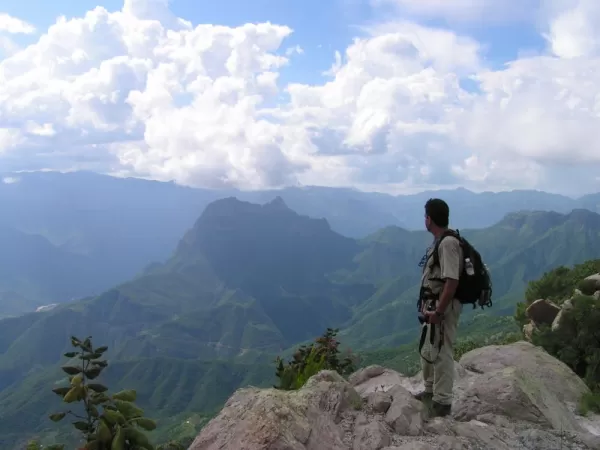
Mexico is a large and diverse country, which makes safety questions more complex than a simple yes or no. Despite occasional negative headlines, the reality is that Mexico is safe for most travelers, and millions of visitors travel throughout the country every year without incident. Mexico is nearly three times the size of Texas and far larger than many European countries. Just like anywhere else, safety conditions vary by region. Saying all of Mexico is unsafe would be similar to saying an entire country is dangerous because of isolated incidents. Most tourist destinations are far from areas affected by serious crime and remain well-established, well-policed, and visitor-friendly.
While Mexico does experience crime, much of the serious violence is linked to organized crime activity and occurs in specific regions, often away from tourist areas. Many of Mexico’s most popular destinations continue to operate safely and see steady tourism year after year.
Native
Understanding Safety in Mexico
When asking “is Mexico safe?”, it helps to separate perception from reality. Media coverage often focuses on isolated incidents, which can create a misleading picture of overall Mexico safety. Crime rates in Mexico vary widely by state and city. Some regions experience higher crime levels, while others have rates comparable to or lower than major cities in the United States and Europe. Popular tourist areas invest heavily in visitor security, infrastructure, and emergency services, contributing to overall safety in Mexico for travelers.
What Travelers Should Know Before Visiting Mexico
To make an informed decision about Mexico travel safety, here are a few important points to consider:
Travel advisories are issued by region, not countrywide. Government agencies provide state-by-state guidance, so it’s important to review the advisory level for your specific destination rather than judging Mexico as a whole.
Tourists are rarely targeted. Most violent crime is connected to organized criminal activity. While bystander incidents can occur, tourists are not typically the intended targets.
Certain crimes do happen, including theft, carjacking, and occasional kidnappings, particularly in border regions. Travelers are advised to keep a low profile, avoid displaying valuables, and stick to well-known routes and accommodations.
Areas with the highest advisories are usually not tourist destinations. Most Mexico tours focus on regions far removed from known trouble spots.
Photo by Jonathan Brunger
Common Safety Concerns in Mexico
Petty crime such as pickpocketing and bag snatching can occur, especially in busy areas. Staying aware of your surroundings and keeping valuables secure goes a long way toward preventing issues. Transportation safety is another common concern. Using authorized taxis, hotel-arranged transfers, or trusted rideshare apps is generally safer than hailing vehicles on the street. Long-distance buses are widely used and considered safe on major routes. Natural hazards should also be considered. Coastal areas can experience hurricanes during certain seasons, while sun exposure and dehydration are common concerns year-round. Earthquakes are rare but possible in some regions.
Health considerations include drinking bottled or filtered water, being cautious with street food at first, and staying up to date on routine vaccinations. These are standard travel precautions and part of overall Mexico travel safety planning.
Tips for Staying Safe While Traveling in Mexico
Simple precautions can greatly improve safety in Mexico while traveling. Avoid poorly lit or unfamiliar areas late at night, especially when traveling alone. Staying in groups or well-populated areas adds an extra layer of security.
Choose accommodations with good reviews and secure storage for valuables. Keep copies of important documents and avoid carrying large amounts of cash. Using reputable tour operators and local guides is one of the best ways to ensure Mexico travel safety, particularly when visiting remote areas or participating in adventure activities. Travel insurance is also strongly recommended to cover medical needs, trip interruptions, or unexpected situations.
Sea Lion Los Islotes (Mary Curry)
Law Enforcement and Emergency Contacts
Many tourist areas have dedicated tourist police who are trained to assist visitors and speak English. These officers are often stationed near major attractions and transportation hubs.
The national emergency number in Mexico is 911, which connects travelers to police, fire, and medical services. Incidents can also be reported through hotel staff, tour guides, or local authorities, who can help navigate the process safely.
So, Is It Safe to Travel to Mexico?
For most travelers, the answer to “is it safe to travel to Mexico?” is yes—especially when visiting established tourist destinations and following basic safety guidelines. Like any international destination, Mexico requires awareness and preparation, but it remains one of the most visited countries in the world for a reason.
Travelers who research their destinations, follow local advice, and plan thoughtfully can enjoy a rewarding and safe experience across Mexico.
Our team is waiting and ready to talk with you about your next adventure.
So go ahead and book an appointment with one of our specialized trip planners.
This is the second trip I’m planning with them. They are easy to work with and the results have been great.
Donna
4 months ago
Mary Rose Lachica does a fine job for us. We have no experience with this and it is great not to have the stress of trying to figure it all out. Thanks
Judy Siegfried
5 months ago
The guides and staff were so helpful and pleasant. We enjoyed the other guests and meeting the locals
Tim Boals
7 months ago
Great folks to work with
I have used Adventure LIfe several times over many years. I fink the plans they put together great fun. The staff is super easy to work with and very responsive in follow up.
sally clair
8 months ago
This was a last minute request. Cassandra was very prompt in response and getting information to me. Definitely impressed





/454x264.webp)