Have questions? We're here.
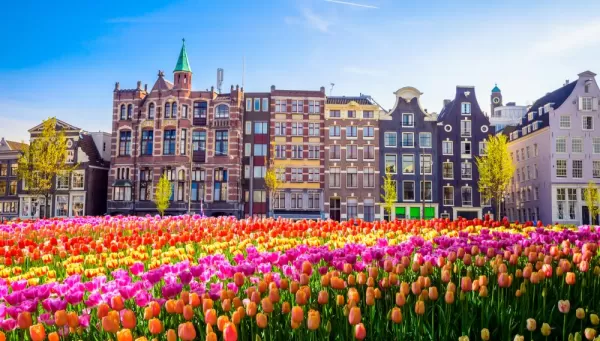
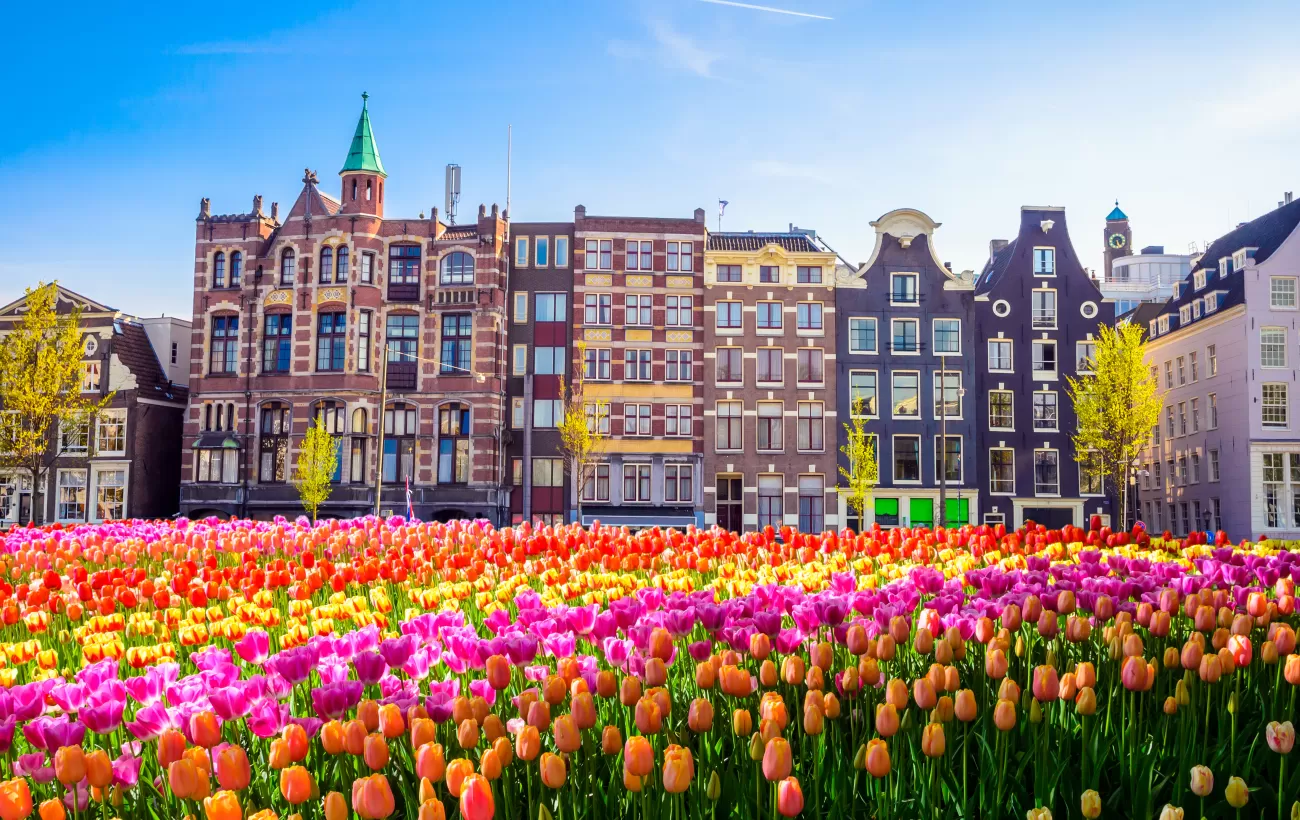
Brilliant tulips growing near Amsterdam

A European Spring

Lisbon - Amsterdam - Example 17 Day Cruise aboard Greg Mortimer
Talk with an expert
Build your ideal Europe trip. Call 1.406.541.2677
Start Planning My Trip
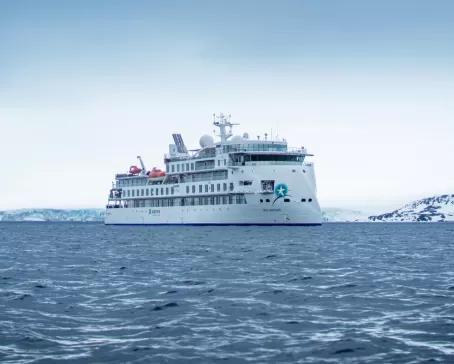
Embark on a 17-day cruise aboard the Greg Mortimer. Celebrate the arrival of spring on a coastal voyage from Lisbon to Amsterdam. This expedition explores the diverse landscapes of Europe’s Atlantic seaboard, from rugged cliffs and estuaries to endless beaches. Witness the season of growth with blooming tulips, Flanders poppies, and budding vineyards. Experience local culture at lively street markets and fresh-faced breweries, and join traditional May Day festivities that herald the warmer months. Discover the charm of historic towns and villages on this immersive spring journey. 
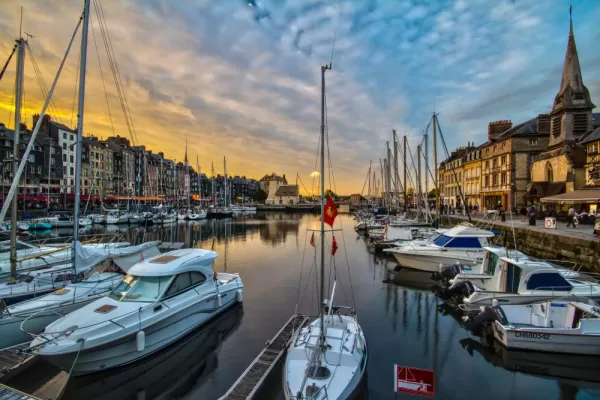
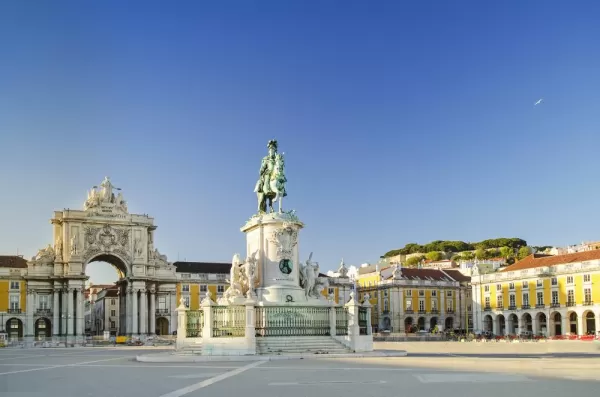
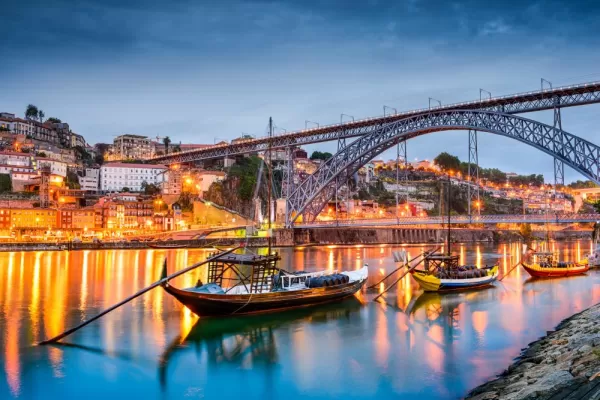
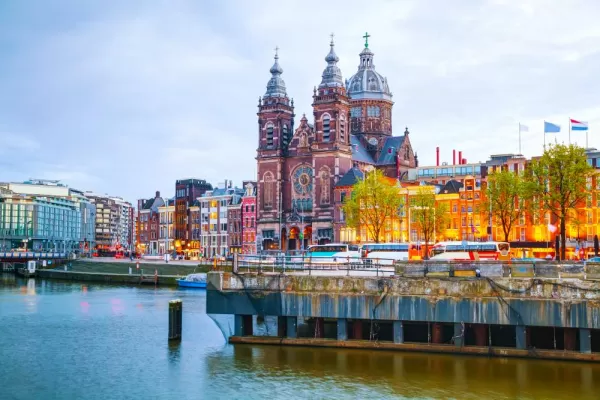
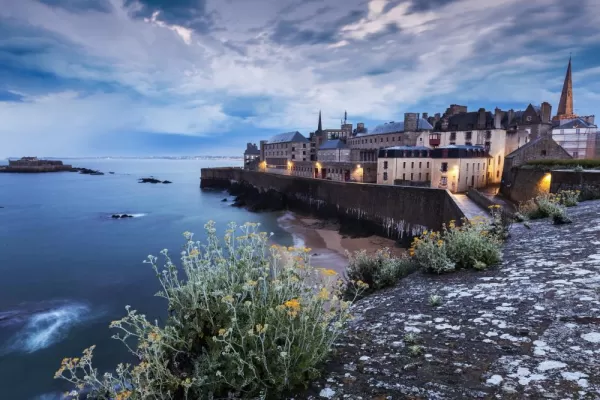
Enjoy a wine tasting at a local vineyardSunset over the tranquil Honfleur harborExplore beautiful LisbonPark in Honfleur, FrancePorto Cityscape, PortugalExplore beautiful AmsterdamBlue hour on the French coastBrilliant tulips growing near Amsterdam
Highlights
  • Taste Pastéis de Nata, the Portuguese custard tart, in Lisbon
  • Visit the renowned port caves in Porto's Ribeira district
  • Admire over seven million blooming flowers at Keukenhof Gardens
  • Sample wines at Chateau Loudenne with a picnic lunch by the river
Places Visited
Activity Level: Variable
Activity options vary depending on destination and operator. Activity level is determined by the range and intensity of activities you choose to participate in. Discuss with your Trip Planner which options are best for you.
0

Full Itinerary

Expand All

Day 1: Lisbon, Portugal

Welcome to Portugal! Upon arrival at Lisbon Airport, proceed to the Arrivals Hall to meet the representative for a transfer to the group hotel. Once checked in, visit the hospitality desk in the lobby to meet the team and receive essential information regarding pre-embarkation procedures and the stay in Lisbon. Cabin tags for luggage are also provided at this time; please clearly label them with your name and ship cabin number.

The evening remains open for relaxation in preparation for exploring Lisbon tomorrow.

Accommodation: Atlis Grand Hotel Lisbon (or similiar)

Day 2: Lisbon, Portugal

  • 1 Breakfast
Situated on the Tagus River, Lisbon offers access to the coast that once established Portugal as a dominant trading nation. Discover the legacy of explorers like Vasco da Gama and Magellan, who sailed under royal patronage to establish global routes and fund opulent architecture. Learn how the devastating 1755 earthquake, followed by tsunamis and firestorms, left few buildings pre-dating the 18th century. Witness the results of determined reconstruction in the wide boulevards, parklands, and distinctive black and white-tiled pavements. Navigate this compact city with ease, using trams to access hillside suburbs or exploring the bustling harbor.

Today, choose between visiting the narrative gardens of Sintra or the formal grounds of the Palace of Queluz, or discover the city's highlights if visiting for the first time. In the evening, gather for a Welcome Event to celebrate the start of this springtime journey.

Personalize your exploration with the included ‘Your Choice’ experiences.

Option 1 – Half Day experience: Locally guided tour of Lisbon, with Mercado da Ribeira


Join locally guided tour of Lisbon, with time to browse the spring produce at the city’s Mercado da Ribeira. The city’s story unfolds as you visit the suburb of Belém, with its Monastery of Jerónimos to hear more of Vasco de Gamas’ adventures; the waterfront memorial of Monumento das descobertas, honoring Prince Henri the Navigator and his fellow explorers; and the Torre de Belém – the 16th century fortification which acted as the gateway to Lisbon for all seafarers. This insightful tour tells tales of exploration, colonization and devastation wrapped together by the history of a city whose influence has shaped much of modern-day world.

Near the famed Cais do Sodre train station, the beautiful building of the Mercado da Ribeira sits topped with a Moorish-style dome. To end your tour, visit this famous market and its popular ‘Time Out’ food complex. Lisbon’s populace has shopped for fresh fruit, vegetables, fish and meat here since 1882, with the market’s latest offerings including 30 ‘pop-ups’ offering petiscos (Portuguese tapas) and traditional products such as cheeses, cured hams, smoked sausages, fish conserves, wines and more. Your local guide introduces you to a variety of Portuguese specialties, such as Pastéis de Nata – the Portuguese custard tart that is a national specialty. Take time to explore and enjoy lunch (own expense), before transferring to your hotel. For those who prefer to explore the city further, there are plenty of transport options to explore the city further independently.

Option 2 – Half Day experience: The Palace of Queluz and School of Equestrian

This morning, experience Portuguese tradition at its finest with a visit to the Palace of Queluz and its exquisite formal gardens. The palace, a highlight on the "European Route of Historic Gardens," offers a glimpse into 18th-century royal life with its well-maintained lawns, elegant fountains, and vibrant flowerbeds, all meticulously designed by King Pedro III and Maria I.

You then travel from the palace to the Henrique Calado Riding Arena to witness the Portuguese School of Equestrian Art in action. This institution, a cornerstone of Portugal’s equestrian heritage, showcases the graceful "dance" of Pure-Blood Lusitano horses. At the arena, see grooms attentively care for the horses and watch riders perform warm-up and ease exercises in period costume. This combination of historical grandeur and equestrian elegance promises a memorable immersion into Portuguese culture.

Option 3 – Full-day experience: It’s Spring at Sintra

Sintra, located 32 kilometers (approximately 20 miles) northwest of Lisbon, has long served as the summer playground for the Portuguese elite. The rich and famous built romantic palaces and castles with spectacular gardens atop the hills of the Serra de Sintra, seeking to escape the heat. Although there are several palaces to explore, visit the Palace of Monserrate to view its spring gardens.

Tucked away in the hills of Sintra, the Palace of Monserrate is one of Portugal’s most enchanting and often overlooked gems. This 19th-century palace showcases a stunning blend of Gothic, Moorish, and Indian architectural styles. Delicate arches, intricate carvings, and elegant domes give the palace a romantic, exotic atmosphere unlike anywhere else in the region. The surrounding botanical gardens are just as impressive — a sweeping landscape of winding paths and carefully curated plant collections from around the world. From tropical palms to rare ferns and vibrant flowerbeds, the gardens offer a peaceful, immersive experience in nature.

Choose to spend more time exploring these lush gardens at your own pace or join your local guide for a tour of the palace interior, and gardens uncovering the history, design, and stories behind this extraordinary estate, before strolling to the center of Sintra itself for a memorable escape to Lisbon’s regal wonderland. (Note: Due to changes in coach parking at Quinta da Regaleira, this excursion now visits the nearby Palace of Monserrate to ensure a smooth experience in Sintra.)

Accommodation: Lisbon Hotel (or similar)

Day 3: Porto | Embark

This morning, drive north to Portugal’s ‘second city’, arriving around midday. After an orientation tour, there is time to enjoy the Ribeira district on the Douro River, before you visit a traditional port cave. 

Porto, Portugal’s second-largest city, entices visitors with its storied past, vibrant culture, and architectural splendor. It was in Porto that the Portuguese ‘Age of Discovery’ began when the indomitable Prince Henry the Navigator set sail to the western coast of Africa in the early 15th century. Porto has never looked back. The city lends its name to the fortified wine produced in nearby valleys, framing the Douro River with its picturesque streets, iconic iron bridges, and renowned wine cellars. In the UNESCO World Heritage ‘old town’ of Ribeira, a colorful blend of Romanesque, Gothic and baroque architecture adds to the lively atmosphere, while Porto’s historical Rabelo boats, once vital for transporting port wine barrels, grace the riverbanks. This blend of tradition and modernity makes Porto an unforgettable destination, captivating visitors with its timeless charm and dynamic spirit. 

A visit to a port cellar is a quintessential experience in Porto. Here, the renowned port wine, crafted in the Douro Valley, is aged and stored in traditional ‘caves’. As you meander through the narrow streets, you can sense that you’re truly in the heart of port wine country. Your guide will introduce you to various types of port wine and offer tastings, allowing you to appreciate the distinct characteristics of each. The cool, dimly lit cellars create an atmospheric setting as you delve into the history and craftsmanship behind this iconic Portuguese wine.  

Having sampled some of Portugal’s ‘favorite tipple’, you take a short drive to the port of Leixões, to board the Greg Mortimer. This evening, enjoy a ‘Welcome aboard’ dinner, where you meet the Aurora Expeditons team and crew. 

Day 4: Vigo, Spain

Once a Roman port known as Gigia, Gijón’s maritime legacy dates back centuries, with remnants of ancient docks and Roman baths still visible today. Its strategic coastal location has shaped its identity as a bustling port city, a heritage celebrated through its maritime museum, which houses artifacts and exhibits detailing the city’s seafaring past. Gijón also served as a crucial point of departure for pilgrims on the Camino de Santiago, a medieval pilgrimage route to Santiago de Compostela in northwestern Spain, drawing travelers from across Europe. Local explorers and adventurers, inspired by Gijón’s seafaring traditions, have embarked on voyages that shaped global exploration. Notably, the city was a significant hub for Asturian emigrants who left for the Americas in the 19th and early 20th centuries, contributing to its international ties.

Gijón’s waterfront promenades, bustling marina, and vibrant cider houses come alive in the spring, offering a true taste of local life. It’s ‘Apple Bloom’ season in the Asturias, when towns and villages celebrate the apple farms that are scattered throughout the region. Spend your day soaking in the seaside atmosphere of Gijón or opt for one of ‘Your Choice’ experiences, each designed to add a spring to your step.

Personalize your exploration with the included ‘Your Choice’ experiences.

Option 1 – Half day experience: Asturias’ Capital – Oviedo


A half-hour drive south of Gijón brings you to Oviedo, the current capital of the Asturias region. This historic city has been crucial in preserving Christianity in the Iberian Peninsula since the 9th century. During this time, Oviedo became a hub of pre-Romanesque architecture, showcasing a distinctive style that influenced religious buildings throughout Spain. But Oviedo’s significance goes beyond its architecture; it was also the seat of the early Asturian Kingdom and remained an important religious and cultural center throughout the Middle Ages.

Your local guide will lead a walking tour of Oviedo’s downtown core, highlighting the stunning San Salvador Gothic Cathedral and the restored Old Town. After the tour, you can have time to explore this picturesque city on your own. With its rich historical heritage and modern charm, Oviedo is a favorite destination for visitors to the Asturian coast.

Option 2 – Morning experience: Apple Blossom Cider Farms

The coastal towns of Asturias’ ‘cider region’ are brimming with cider houses, beloved by locals and visitors alike. Gijón’s cider houses, called sidrerías, are found all over the city, but the best ones are on the edge of Cimadevilla (the old town), where you can enjoy the show of the waiter pouring your drink while listening to the rumbling of the Atlantic Ocean crashing below. Naturally, a visit to a cider farm is a must. Just half an hour from Gijón, this experience is a true springtime delight. The orchards burst into a sea of white apple blossoms, creating a picturesque setting for a leisurely stroll. Here, cider is more than just a drink; it’s a central part of the local culture. Festivals celebrate its significance, and there’s a strong emphasis on sustainability in brewing practices. During your visit, you can sample a variety of traditionally crafted ciders and learn the unique pouring technique that enhances its flavor. The farms traditional craftsmanship, combined with the deep-rooted cider culture and commitment to sustainability, ensures a fun and immersive experience.

Option 3 – Full day experience: Gijón’s Coastal Cousins

Perched on Spain’s northern coast in Asturias, the villages of Cudillero and Luarca offer a delightful glimpse into the region’s maritime heritage. Cudillero, with its resemblance to a quaint Cornish fishing village, features narrow streets spiraling down towards the harbor, flanked by colorful houses and mossy paths. Steeped in Viking legend and maritime history, this village enchants visitors with its winding alleyways and blooming hydrangeas.

A few steps away, Luarca presents a contrasting yet equally captivating landscape where the sea meets the mountains. Luarca boasts the often-photographed Ermita de La Regalina. This historic chapel, perched on a hilltop, overlooks the rugged coastline and is dedicated to the Virgin of La Regalina, a revered local patron saint. Together, Cudillero and Luarca provide an enchanting exploration of Asturias’ coast, making them ideal destinations to experience the authentic charm of coastal Spain.

Day 5: A Coruna

Spain’s ‘secret garden’ is the verdant region of Galicia. This less-visited section of the country is a true gem, beloved by Spanish travelers. Locals still speak Galician, and the blonde, blue-eyed inhabitants proudly hold on to their Celtic heritage. Bring your umbrella, as it may rain, but it’s well worth it. This region is a lush, green enclave amid Spain’s typical dry and arid landscape.

The coastal city of A Coruña is steeped in maritime heritage, celebrated through its iconic Tower of Hercules, the only working Roman lighthouse and a UNESCO World Heritage Site. As one of Spain’s major port cities, A Coruña has been a hub of maritime trade and exploration since ancient times, with various naval battles played out off its shores. Its strategic location on the Atlantic coast has made it a pivotal point for voyages across the seas, including journeys to the Americas during the Age of Exploration, when A Coruña served as a departure point for explorers such as Pedro Menéndez de Avilés, who founded St Augustine, thought to be the oldest continuously inhabited European-established settlement in the continental United States.

Today, A Coruña seamlessly blends its rich maritime heritage with its role as a dynamic modern city. The picturesque waterfront beckons both locals and visitors to stroll its streets, savor local wines at welcoming bars, indulge in fresh Atlantic seafood, and immerse themselves in the many cultural festivals on its annual calendar.

Your visit coincides with the start of the pilgrimage season, as many pilgrims prefer the cooler spring weather to the summer heat. This timing provides you with a deeper insight into this captivating tradition.

Personalize your exploration with the included ‘Your Choice’ experiences.

Option 1 – Morning experience: A tour of Coruña, with a Beer Chaser


Experience the vibrant flavors and heritage of A Coruña on this engaging morning excursion. Begin with a drive along Europe’s longest coastal promenade, soaking in the historical charm of the city, including the Castle of San Antón and the Tower of Hercules - an ancient UNESCO World Heritage Site that has served as a lighthouse and landmark at the entrance of La Coruña harbor since the late 1st century CE, when the Romans named it the Farum Brigantium.

After immersing yourself in the city’s rich history, you shift focus to a local favorite: Estrella Galicia. For over a century, this iconic brew has been the beer of choice for Galicians. Your journey continues at the MEGA Museum and Estrella Galicia Beer Factory, a city landmark since 1906. Enjoy a guided tour of the brewery, where you can learn about the brewing process and delve into the brewery’s storied past. Then, indulge in a tasting session where you can sample a variety of Estrella Galicia beers, roll your own brew, and savor a selection of five different brews.

Option 2 – Morning experience: Ferrol – A Maritime Champion

Across the bay from A Coruña, visit Ferrol, a town steeped in maritime history. A city hardened by a thousand battles, Ferrol is a wise mixture of culture, urban elegance, and military power, seeking a resurgence in popularity as the starting point of the ‘English Way’ portion of the pilgrimage to Santiago de Compostela. Stroll through the neighborhood of Barrio da Magdalena, declared a Historic-Artistic Site, known for its rationalist layout from the Enlightenment era and the origins of the typical Galician houses with galleries. Visit the Mirador de los Jardines de Herrera to admire the Church of San Francisco, the Palace of the Navy Captaincy, and the Military Arsenal. 

Your morning includes a visit to the shipbuilding museum in Ferrol, offering a deep dive into the town’s rich naval heritage. Housed in a historic building, you can learn about the shipyards that have been central to Ferrol’s economy and defense. Interactive displays and multimedia presentations bring to life the stories of the ships built in Ferrol and the people who constructed them. This naval town offers you a chance to embrace its maritime past, which is such an integral part of the communities in this region.

Option 3 – Half Day experience: The Roman Enclave of Lugo

The unique city of Lugo offers a captivating glimpse into the past, with its perfectly intact UNESCO-listed Roman walls, heralded as the most complete and best-preserved example of Roman military architecture in the Western Roman Empire. Constructed in the late 3rd century to defend the Roman town of Lucus, these fortifications stretch over a kilometer (0.62 miles) and rise more than 7 meters (23 feet) high. With 71 of the original 85 towers and 10 entrance gates still standing, Lugo’s walls are a testament to the city’s historical importance during the Roman Empire, when it was a key hub in the province of Gallaecia, known for its strategic and economic significance.

As you step inside these ancient walls, discover St Mary’s Cathedral, with its chapel dedicated to San Froilán, Lugo’s patron saint. But Lugo is not just an old city; it also boasts impressive graffiti, murals and modern artworks. A must-see is the image of Julius Caesar by graffiti artist Diego As. This piece, a nod to the city’s Roman history, is especially impressive when viewed from the city wall and even won an award for best mural in the world in 2022. Declared the oldest city in Galicia, Lugo offers travelers a city with a medieval heart, with a modern-day twist, making it an intriguing place to visit.

Option 4 – Full-day experience: Santiago de Compostela – Walk a Section of the Pilgrimage Trail

Today, join the trail to Santiago de Compostela, Europe’s most significant pilgrimage city. Once a major site during the Spanish Reconquista, Santiago was heavily damaged in the 10th century by Moorish invaders, igniting Christian Iberia’s passion and spurring a resurgence centered on the city’s fervor for St James. Today, its Old Town, with its blend of Romanesque, Gothic and baroque architecture, is renowned as the endpoint of the 790-kilometer (491-mile) Camino Francés pilgrimage route. The Camino de Santiago has long been a spiritual journey, offering pilgrims a chance to seek personal transformation, fullfil vows, or find purpose through devotion, self-discovery or adventure.

Your scenic drive takes you to Calzada, where you become pilgrims yourself for an hour and a half, walking a few kilometers (a few miles) along the historic trail. Having stretched your legs and contemplated your path, continue to Santiago de Compostela where you embark on a guided walking tour, passing landmarks like the town hall, the Pazo de Raxoi (the ‘Pazo’), and the Palace of Saint Jerome as you make your way to Praza do Obradoiro (Obradoiro Square). The highlight of your visit will be the Cathedral of Santiago de Compostela, dating back to 1122. Admire its stunning façade, showcasing a mix of architectural styles, and step through the Holy Door to explore the captivating history of St James and the city’s belief that his bones lie within its walls.

Day 6: Gijon

Once a Roman port known as Gigia, Gijón’s maritime legacy dates back centuries, with remnants of ancient docks and Roman baths still visible today. Its strategic coastal location has shaped its identity as a bustling port city, a heritage celebrated through its maritime museum, which houses artifacts and exhibits detailing the city’s seafaring past. Gijón also served as a crucial point of departure for pilgrims on the Camino de Santiago, a medieval pilgrimage route to Santiago de Compostela in northwestern Spain, drawing travelers from across Europe. Local explorers and adventurers, inspired by Gijón’s seafaring traditions, have embarked on voyages that shaped global exploration. Notably, the city was a significant hub for Asturian emigrants who left for the Americas in the 19th and early 20th centuries, contributing to its international ties.  

Gijón’s waterfront promenades, bustling marina, and vibrant cider houses come alive in the spring, offering a true taste of local life. It’s ‘Apple Bloom’ season in the Asturias, when towns and villages celebrate the apple farms that are scattered throughout the region. Spend your day soaking in the seaside atmosphere of Gijón, or opt for one of ‘Your Choice’ experiences, each designed to add a spring to your step. 

Personalize your exploration with the included ‘Your Choice’ experiences. 

Option 1 – Half day experience: Asturias’ Capital – Oviedo


A half-hour drive south of Gijón brings you to Oviedo, the current capital of the Asturias region. This historic city has been crucial in preserving Christianity in the Iberian Peninsula since the 9th century. During this time, Oviedo became a hub of pre-Romanesque architecture, showcasing a distinctive style that influenced religious buildings throughout Spain. But Oviedo’s significance goes beyond its architecture; it was also the seat of the early Asturian Kingdom, and remained an important religious and cultural center throughout the Middle Ages. 

Your local guide will lead a walking tour of Oviedo’s downtown core, highlighting the stunning San Salvador Gothic Cathedral and the restored Old Town. After the tour, you can have time to explore this picturesque city on your own. With its rich historical heritage and modern charm, Oviedo is a favorite destination for visitors to the Asturian coast. 

Option 2 – Morning experience: Apple Blossom Cider Farms

The coastal towns of Asturias’ ‘cider region’ are brimming with cider houses, beloved by locals and visitors alike. Gijón’s cider houses, called sidrerías, are found all over the city, but the best ones are on the edge of Cimadevilla (the old town), where you can enjoy the show of the waiter pouring your drink while listening to the rumbling of the Atlantic Ocean crashing below. Naturally, a visit to a cider farm is a must. Just half an hour from Gijón, this experience is a true springtime delight. The orchards burst into a sea of white apple blossoms, creating a picturesque setting for a leisurely stroll. Here, cider is more than just a drink; it’s a central part of the local culture. Festivals celebrate its significance, and there’s a strong emphasis on sustainability in brewing practices. During your visit, you can sample a variety of traditionally crafted ciders and learn the unique pouring technique that enhances its flavor. The farms traditional craftsmanship, combined with the deep-rooted cider culture and commitment to sustainability, ensures a fun and immersive experience. 

Option 3 – Full day experience: Gijón’s Coastal Cousins

Perched on Spain’s northern coast in Asturias, the villages of Cudillero and Luarca offer a delightful glimpse into the region’s maritime heritage. Cudillero, with its resemblance to a quaint Cornish fishing village, features narrow streets spiraling down towards the harbor, flanked by colorful houses and mossy paths. Steeped in Viking legend and maritime history, this village enchants visitors with its winding alleyways and blooming hydrangeas.  

A few steps away, Luarca presents a contrasting yet equally captivating landscape where the sea meets the mountains. Luarca boasts the often-photographed Ermita de La Regalina. This historic chapel, perched on a hilltop, overlooks the rugged coastline and is dedicated to the Virgin of La Regalina, a revered local patron saint. Together, Cudillero and Luarca provide an enchanting exploration of Asturias’ coast, making them ideal destinations to experience the authentic charm of coastal Spain. 

Day 7: San Sebastian

Your time in port today is limited to a lunch stop, but what a special lunch it is. Welcome to the vibrant city of San Sebastián renowned for its delectable treats. That’s right – it’s tapas time! Tapas, or pintxos as they are known in San Sebastián, offer more than just a meal; they provide a culinary journey that captures the essence of Basque culture. The secret to eating pintxos like a local is to master the txikiteo, a Basque-style food crawl. You split into groups and join a local guide to embark on a txikiteo adventure through the city’s colonnaded plaza and streets, where each bar offers its own specialties. Savor the rich flavos of jamón ibérico, the creamy delight of croquetas, and the tangy bite of boquerones. Pair these with a glass of local txakoli wine or a refreshing cider to enhance the experience. Enjoy every bite and make the most of this delightful lunch stop in one of Spain’s most gastronomically celebrated cities.  

Although eating txikiteo style is a Basque tradition, you understand it may not be for everyone. Please feel free to stay on board for lunch or explore San Sebastián independently. (Note: The port of Pasajes is approximately 15 minutes’ drive from San Sebastián.) 

Day 8: Le Medoc and Bordeaux, France

Today, dock at the port of Le Verdon, the northern gateway to the Médoc region. Due to tidal restrictions on the Gironde estuary, you moor near its mouth, ensuring dependable access for Bordeaux and the renowned vineyards of Le Médoc. For those joining morning or half-day ‘Your Choice’ experiences, a shuttle service to the nearby seaside town of Le Verdon-sur-Mer will be provided, allowing you to enjoy some time along this picturesque coast.

Located between the Atlantic Ocean and the Gironde estuary, Le Médoc is home to some of the most famous wine estates in the world, including Château Lafite Rothschild, Château Margaux, and Château Latour. The châteaux in Médoc have been producing wines of exceptional quality for centuries, significantly contributing to Bordeaux’s wealth and reputation. Médoc’s unique terroir, with its gravelly soil and ideal climate, allows for the cultivation of grapes that produce wines known for their elegance, complexity, and aging potential. While some wineries require visitors to be licensed wine merchants, many warmly open their cellar doors for tastings to wine enthusiasts from around the world.

‘Your Choice’ experiences offer you the opportunity to explore Bordeaux, or immerse yourself in Médoc’s winemaking tradition, promising an unforgettable visit to this esteemed wine country.

Personalize your exploration with the included ‘Your Choice’ experiences.

Option 1 – Morning experience: The Wines of Médoc – A Winery Tour and Tasting


Visiting Château Maucaillou in the Médoc region, an hour from Le Verdon, offers a deep dive into winemaking excellence. Established in 1875 by J. Petit-Laroche, the vineyard now spans 90 hectares of Garonne gravel layer. These gravelly soils are crucial for producing exceptional wines, as they reflect sunlight onto the grapes, promoting full ripeness. Château Maucaillou’s Moulis vineyard is the oldest in Médoc, planted with 52 per cent cabernet sauvignon, 41 per cent merlot, and 7 per cent petit verdot. At the tasting, Château Maucaillou wines reveal a subtle and fruity aromatic power, with ripe and concentrated flavors. Expect a full-bodied, generous wine with finesse, elegance, impressive length and excellent aging potential. Accompanied by winery guides, explore the harvest room, vat room and barrel cellar. Enjoy a hosted tasting at this historic and picturesque winery in the heart of Médoc.

Option 2 – Half-day experience: Wine Tasting and Picnic Lunch at Château Loudenne

Known locally as ‘Le Château Rose’ due to its pink walls, Château Loudenne boasts a rich history spanning 350 years. This prestigious past owes much to two British wine merchants, Alfred and Walter Gilbey, who made the property their home in France in 1875. Loudenne’s port allowed for the maritime shipment of wines to London and the Gilbeys’ global distribution centers. They built an ultra-modern cellar for its time, and designed the parklands in the English style. Even today, you can feel transported to the château’s elegant past, when ladies carried parasols and men wore tailored suits and hats.

After a hosted tour of the vineyard, savor a tasting of two of their finest wines before indulging in a picnic basket filled with regional delicacies such as pate, local cheeses and, of course, a freshly baked baguette. Enhance your meal with a bottle of Loudenne wine, either red or rosé (own expense). Picnic tables are set up along the river, providing a picturesque setting to enjoy your lunch. The château’s timeless charm, exquisite wines, and Médoc ambiance create an unforgettable visit.

Option 3 – Half-day experience: Wine Tasting and Picnic Lunch at Château Lamothe-Bergeron

How can one truly grasp the magic of wine and share its emotion and poetry? These are the questions pondered when designing the unique tour experience at Château Lamothe-Bergeron. A visit to Lamothe-Bergeron is not just a tour; it’s a journey enriched with encounters, immersive experiences, and glimpses into the château’s storied past. From the welcoming 19th-century salon to a guided exploration of the vineyard and interactive wine cellars, each moment is crafted to engage your senses and deepen your appreciation for the art of winemaking.

The experience culminates in a tasting of three distinct vintages, showcasing the impact of each season on the wine and its evolution over time. Enjoy lunch from your picnic basket under the château’s ancient trees, featuring a delightful selection of local delicacies. Whether indoors or out, the château’s timeless charm and innovative approach to wine education create a charming wine experience.

Option 4 – Full-day experience: A Day in Bordeaux

Your journey takes you to the iconic city of Bordeaux, an UNESCO World Heritage Site renowned for its well-preserved heritage and deep connection to the wine industry. Visit the Chartrons riverfront, the historical heart of Bordeaux’s wine trade. Situated on the Gironde River, this waterfront area was the most important part of town for centuries, enabling Bordeaux to thrive as a major port and wine trading hub since Roman times.

Your tour continues through L’Esplanade des Quinconces, one of Europe’s largest squares and Place de la Bourse reflecting Bordeaux’s golden age. The medieval charm of the 15th-century Cailhau Gate and the 14th-century Big Bell give way to the majestic Palais Rohan, now City Hall, and the St Andrew Cathedral, where Aliénor d’Aquitaine married Louis VII, all historic landmarks.

Bordeaux is surrounded by renowned wine regions such as Médoc, Saint-Émilion, Pomerol, and Graves. Your visit to the city’s La Cité du Vin Museum, a recent highlight, offers an engaging look at Bordeaux’s wine heritage through interactive exhibits. And what better way to end your time in Bordeaux than with a wine tasting at the museum’s Belvedere, enjoying panoramic views of the city before returning to Le Verdon.

Day 9: La Rochelle

Spend the morning on ‘Your Choice’ of local experiences when you visit the seaside city of La Rochelle, before sailing in the early afternoon north to Brittany.

Personalize your exploration with the included ‘Your Choice’ experiences.

Option 1 – Morning experience: La Rochelle


Discover the charming town of La Rochelle on this guided tour, where medieval fortifications and Renaissance heritage come to life. Begin with a scenic drive along the waterfront, taking in Le Mail Gardens and the Old Port's historic towers, built in the 14th century to protect the harbor by night. Stroll through the Old Quarter to see the Great Clock Tower and cobbled streets lined with medieval arcades that tell tales of 16th-century artisans. Admire Renaissance half-timbered houses, along with the historic 1555 Henry II House. Explore the secret WWII bunker built by the German Navy during World War II before enjoying free time to wander the narrow streets.

Option 2 – Morning experience: Cognac and Chocolate

Experience the ‘Accord Gourmand’ tour at a local winery, where the iconic brandy – cognac – and chocolate come together in a truly unique pairing. This exclusive experience delves into the history of cognac, a spirit that began its production in the 17th century in the region surrounding Cognac, France. The area’s ideal climate and soil conditions made it perfect for growing the grapes needed for cognac, and over time, its unique craftsmanship and quality transformed it into a globally renowned spirit.

During your visit, you can explore the traditional methods of cognac production, from distillation to aging, and then enjoy a curated tasting session where each cognac is paired with a carefully selected organic chocolate. This combination enhances the rich flavors of both the cognac and the chocolate, offering an experience that celebrates the region’s favorite spirit.

Option 3 – Morning experience: When is a Knot Not a Knot?

Calling all sailors, and former girl guides and boy scouts! If you’ve ever had to tie a knot, you can revel in this morning’s tour of the nearby city of Rochefort. Once essential to the success of France’s sailing prowess and exploration, the Corderie Royale produced the nation’s ropes for over 300 years.

Located on Charente River, this landmark, often dubbed the ‘Versailles of the Sea’, is longer than the Eiffel Tower is tall. Commissioned by none other than King Louis XIV, it provided the French Navy with essential ropes, marking Rochefort as a critical hub in naval history. The Corderie Royale ceased rope production in 1862 and closed its doors with the Naval Dockyard of Rochefort in 1927, but the structure survived. Today, it looks more like a palace than a rope making factory and houses the International Center of the Sea, where visitors can immerse themselves in its 350-year history. Explore the exhibits on rope making, learn traditional techniques using the original machines, and meet modern-day rope makers who demonstrate the art of sea knots. Discover the legacy of this architectural marvel and the enduring spirit of Rochefort’s maritime past on this truly fascinating tour.

Day 10: Concarneau

Dock at Concarneau, a gateway to the villages and towns of Brittany, where traditional festivals celebrate customs that have continued for centuries. This fortified town on the Brittany coast beckons with a rich maritime history, shaped by piracy and invasion. Concarneau’s prime coastal location made it a frequent target for English, Dutch and Spanish pirates throughout the 17th century. During these turbulent times, the town’s residents faced constant threats to their crucial trade routes. The 14th-century ramparts and towers were not only architectural feats, but also vital defense against these seafaring raiders. Today, as you wander through its historical streets, you can still feel the echoes of its dramatic past and the enduring spirit of its people.

Personalize your exploration with the included ‘Your Choice’ experiences.

Option 1 – Morning experience: Pont-Aven


A 20-minute drive takes you to the flower-filled village of Pont-Aven. This quaint town, with a rich artistic legacy, is inseparable from the name Paul Gauguin. Gauguin, along with his followers, established an art school here in the late 19th century. As you stroll through the village, you can recognize scenes immortalized in their paintings, giving you a tangible connection to their artistic vision. But Pont-Aven isn’t just about art; it is also renowned for its traditional delicacies. Visit a galette factory, where you can sample the famed Galettes de Pont-Aven. These buttery biscuits, crafted since the 17th century, have become a staple of France’s culinary heritage. You can learn about the evolution of the local bakers who created this renowned treat, with a chance to savor a galette or two.

Option 2 – Morning experience: Creative Quimper

This locally guided tour explores the river town of Quimper, sitting where the Steïr and Odet rivers converge. Begin with a scenic drive through Brittany before delving into the historic city center. Your guided walking tour visits the Saint-Corentin Cathedral, where the twin spires and intricate stained glass tell stories from centuries past, before passing the remnants of the 14th-century city walls and a circular watchtower, where you admire the blend of Renaissance, half-timbered houses and elegant mansions.

In spring, the town bursts into color with flower-draped pedestrian bridges and a lively market. With free time to explore, you can soak in Quimper’s charm and shop for its distinctive ceramics, before you return to Concarneau for lunch on board, or to enjoy an afternoon to explore Concarneau independently. (Note: as the ship will now be at anchor, a visit to the Henriot Faïencerie factory is no longer possible.)

Option 3 – Half Day experience: Market Day in Hennebont

It’s Thursday in Hennebont, and that means market day, a quintessentially French experience. The town’s market, a cherished tradition, bursts with vibrant sights and sounds. From fresh local produce and artisanal crafts to strings of onions and garlic, this market provides a vivid glimpse into the town’s daily life. As you wander through the stalls, you can see how Hennebont’s residents' shop for their weekly provisions, immersing yourself in the lively atmosphere and discovering the heart of the community.

Despite being heavily bombed in August 1944, as German troops clung to their L’Orient naval base, Hennebont experienced a remarkable revival post-war. Today, it stands proudly as a cité d’art et d’histoire, reflecting its rich history and resilient spirit. The market is not just a place to shop, but also a window into Hennebont’s enduring charm and its transformation from wartime scars to resilient pride.

Day 11: Roscoff

Sail the most western point of Brittany overnight to reach the coastal town of Roscoff. It is Labor Day in Roscoff, when the town celebrates ‘workers’ day with French flair. Framed by vibrant flowers and rugged granite, the city’s old town is deeply connected to its maritime heritage. Anchored on the sea, Roscoff reflects the rich history of its artists, merchants and corsairs. The bustling old port is a focal point year-round, accommodating commercial fishing boats, recreational vessels, and traditional ‘goémoniers’ for the uniquely local business of seaweed collection. Wander through its picturesque streets for a taste of Breton charm, enjoy the sea views from a waterfront café, or explore the coastal paths and sandy beaches to immerse yourself in Brittany’s coastal lifestyle.

Personalize your exploration with the included ‘Your Choice’ experiences.

Option 1 – Morning experience: The Roots of Roscoff


Enjoy a morning with your local guide in Roscoff. Strolling its streets and visiting two of its iconic sites. Think of the classic image of Frenchmen with onions draped around their necks riding bicycles. Roscoff embraces this tradition at the Maison des Johnnies et de l’Oignon, a quirky museum that explores the story of the ‘Johnnies’, the onion merchants who began their Channel-crossing trade in 1815. This museum highlights the region’s famous pink onions and the enduring legacy of these traders.

You can also explore the Roscoff Botanical Garden, which features over 3,500 species from the Southern Hemisphere. Discover vibrant collections of Protea, Callistemon, Eucalyptus, and Kniphobia. From the 18-meter granite rock formation, enjoy panoramic views of Morlaix Bay and the garden’s diverse plant life, including lily ponds, cascades, and fountains that add to its eclectic personality.

Option 2 – Half-day experience: Medieval Lannion

Sitting on the banks of the River Léguer, Lannion, the second-largest town in Côtes-d’Armor, offers a captivating blend of medieval and Renaissance charm. Once an important center of trade and religion, Lannion’s narrow streets and historical buildings transport you back in time. As you stroll its streets, you can be surrounded by picturesque half-timbered and slate-clad houses that reflect the town’s rich history. Rue des Chapeliers showcases 16th-century architecture, while Place du Marhallac’h enchants with its turreted houses. Climb the 140 Brélévenez steps for sweeping views of the town and its surrounding lands. Explore the Brélévenez district, where the ancient Templar church and traditional houses highlight Lannion’s storied past. This enchanting mix of history and culture makes Lannion a timeless destination that narrates its heritage with style.

Day 12: Saint-Malo

As you head towards Normandy, your small size allows to dock at the charming city of Saint-Malo. Though this tidal port can be challenging to access, it’s well worth the effort. Saint-Malo offers a range of captivating experiences for you to enjoy. Perched on the border of the former kingdoms of Normandy and Brittany, the walled city of St Malo, with its medieval architecture, cobblestoned streets, and shops stacked with delicious Bretonnique treats, is a true ‘pirate town’. This era of privateering earned St Malo the nickname ‘City of Corsairs’ and contributed significantly to its prosperity and dubious reputation. Today, St Malo celebrates this heritage through its museums, festivals, and preserved historic sites, offering visitors a glimpse into its adventurous past as a renowned ‘pirate city’.

Personalize your exploration with the included ‘Your Choice’ experiences.

Option 1 – Morning experience: The Pirate Town of Saint-Malo


Join your local guide this morning for a walking tour of Saint-Malo’s historic walled town. Standing proudly behind its stone ramparts, Saint-Malo boasts a captivating history more closely tied to privateering than outright piracy. From the 16th to the 19th centuries, Saint-Malo was renowned as a bastion for the wealthy privateers known as corsairs. These state-sanctioned sailors, authorized by the French crown, were tasked with attacking and capturing enemy ships during times of war. Unlike pirates, who operated independently and unlawfully, privateers acted under official letters of marque and reprisal, sharing their spoils with the French kings. The corsairs of St Malo were highly skilled and daring seafarers who played a crucial role in French naval warfare and overseas trade. They conducted raids on English and other enemy ships, bringing back wealth and prestige to Saint-Malo. This era of privateering earned Saint-Malo a notorious reputation, brought to life through captivating tales of its most famous, or infamous, pirates and their treacherous lifestyles.

Your guide shares stories of notable figures like Jacques Cartier, Duguay-Trouin, Surcouf, and the romance author Chateaubriand, as you walk the narrow streets leading to the castle and Saint-Malo Cathedral, before you visit Asfeld Hotel, a grand manor once owned by privateer François-Auguste Magon de la Lande.

Option 2 – Half day experience: Château de la Bourbansais

Visiting Château de la Bourbansais feels like stepping back in time. Built on Gallo-Roman ruins in the late 16th century, this stunning château and its French-style gardens have been a heritage site since 1959. Designed by André Le Nôtre, who also created the gardens at Versailles, the grounds feature 18th-century statues and a 17th-century vegetable garden inspired by the 'Potager du Roi'. Inside, you can explore rooms furnished to reflect 15th- to 18th-century life, offering a glimpse into the past. Owned by the 19th-generation Lorgeril family, the château has historical ties to the French East India Company, adding to its rich legacy. Château de la Bourbansais is a captivating blend of history, horticulture, and heritage.

Option 3 – Half Day experience: Mont Saint-Michel

Normandy’s most recognizable silhouette, UNESCO World Heritage-listed Le Mont Saint-Michel has captured the imaginations of pilgrims, artists and travelers for centuries. Founded as a monastery in the 8th century, Le Mont-Saint-Michel became a significant pilgrimage destination during the Middle Ages. Its abbey, perched atop the island’s rocky peak, is a masterpiece of medieval architecture, blending Romanesque and Gothic styles. The narrow, winding streets of the village below the abbey are lined with shops, restaurants, and houses dating back centuries. Visitors can explore the abbey’s intricate chapels, cloisters and panoramic viewpoints, which offer sweeping vistas of the bay. According to Christian tradition, Saint Michael is known for his role in the final judgment, where he is often portrayed as weighing souls and leading the righteous to heaven, while casting out evil. Statues of Saint Michael are often placed in elevated positions, such as atop spires or high points in churches and cathedrals, symbolizing his role as a heavenly figure overseeing and protecting the faithful below. Le Mont-Saint-Michel itself embodies this symbolism, rising dramatically from the flats as a single standout site. Its unique blend of natural beauty and architectural marvels continues to captivate travelers, making it one of France’s most iconic and enthralling destinations.

Day 13: Honfleur

You arrive at the mouth of the River Seine with tidal restrictions permitting you access to Honfleur mid-morning. Originally a bustling trade port Honfleur boasts charming streets and an iconic harbor. During the Hundred Years’ War, it briefly fell under English occupation and thrived as a crucial trade hub, particularly with North America and later French Canada, when local explorer Samuel de Champlain founded Quebec. Honfleur’s ship owners amassed fortunes, which remain evident today in the multi-story terraced homes tightly packed around the harbor, as symbols of status and wealth.

In the 19th century, Honfleur’s appeal transcended commerce, when artist Claude Monet followed his mentor, Eugène Boudin, to his hometown. He and his fellow Impressionists were captivated by the town’s ethereal light immortalizing it on canvas. Today, the Vieux Bassin hosts yachts against a backdrop of centuries-old buildings, where quaint shops, vibrant galleries, and seafood restaurants beckon visitors to savor regional flavors in this picturesque coastal setting.

Choose to explore Honfleur’s picturesque streets, visit the spring blossoms of a renowned Calvados producer, or venture further to see Monet’s Garden in bloom or the historic city of Rouen.

Personalize your exploration with the included ‘Your Choice’ experiences.

Option 1 – Afternoon experience: Normandy’s Obsession with Calvados


Visiting a calvados winery in spring offers an immersive experience into Normandy’s apple country. As you arrive, you are greeted by orchards bursting with apple blossoms, their soft petals and sweet fragrance creating an iconic springtime display. This picturesque setting embodies the charm and personality of Normandy, where calvados, the region’s beloved apple brandy, plays a central role in the community’s social life and regional cuisine.

During the tour, you can stroll through these stunning orchards and learn about the traditional apple varieties used in crafting calvados. The journey continues with insights into the fermentation and distillation processes that create this rich, amber spirit. In addition to savoring different calvados varieties during the tasting session, you can discover how this iconic drink enhances local dishes, from savory sauces to decadent desserts. The blend of spring blossoms and culinary tradition makes a visit to a calvados winery a seasonal insight in the Normandy psyche.

Option 2 – Half day experience: St Joan of Arc’s Rouen

Join a locally guided tour to Rouen, the historic capital of Normandy. Renowned for its stunning medieval architecture, the city’s crown jewel is the Rouen Cathedral, an awe-inspiring Gothic masterpiece that inspired many of Claude Monet’s paintings. As you wander through the charming old town, you encounter half-timbered houses, cobblestone streets, and the impressive Gros-Horloge, an astronomical clock dating back to the 14th century, while a stroll along the River Seine reveals bustling markets and quaint cafes that offer a taste of local life.

The city is famously tied to Joan of Arc, the national heroine of France who led French troops to several important victories during the Hundred Years’ War. Captured by the English, she was tried for heresy and burned at the stake in Rouen in 1431. Her legacy endures throughout the city. With its blend of historical significance and 21st-century culture, Rouen provides a fascinating glimpse into the past while remaining a lively, modern destination.

Option 3 – Half day experience: Monet’s Garden

Visiting impressionist Claude Monet’s Garden at Giverny is like stepping into his paintings. Located in a charming village in Normandy, these gardens were meticulously crafted by Monet himself. The Clos Normand, a vibrant flower garden, greets you with a riot of colors and textures, featuring roses, tulips, irises and peonies. Stroll through the iconic water garden, inspired by Japanese aesthetics, and you can find the famous Japanese bridge draped with wisteria, surrounded by weeping willows, bamboo and exotic flowers. The tranquil lily pond, with its floating water lilies, served as the inspiration for many of Monet’s masterpieces, including his renowned Water Lilies series. As you explore, you can almost feel Monet’s presence, observing the play of light and shadow, the changing colors, and the reflections on the water. This living masterpiece offers a glimpse into the artist’s world, where nature and art merge in perfect harmony, bringing his celebrated paintings to life.

Day 14: Oostende, Belgium

This afternoon, arrive in Oostende, a well-established Belgian port city. Renowned for its chocolates, world-class beers, and intricate lace, Belgium lies at the heart of Europe. This afternoon, choose between two contrasting aspects of this captivating country: Bruges, with its picturesque canals and historical Hanseatic wealth, or Ypres, a city profoundly shaped by WWI, where many left never to return.

Personalize your exploration with the included ‘Your Choice’ experiences.

Option 1 – Afternoon experience: Beautiful Bruges


Since their creation, the purpose-built canals of Bruges have connected the city center to the sea, bringing wealth and prosperity. International merchants transformed Bruges into one of the largest Hanseatic cities. By the 15th century, the city flourished, with much of its medieval heritage remaining intact to this day. Walking its streets, it’s no surprise that UNESCO designated the entire city center a World Heritage Site. Join a locally guided walking tour and stroll along the enigmatic canals, the city’s lifeblood. Immerse yourself in Bruges’ Golden Century, exploring its medieval architecture, cobblestone streets and charming squares. Discover the city’s rich history as a major trading hub and uncover hidden gems. With time to wander, choose to indulge in some of Bruges’ famous Belgian chocolates, enjoy a cone of freshly fried fries with mayonnaise, or sip a handcrafted beer from one of the city’s bierkellers. This tour offers a light-hearted insight into this historic market town, revealing the delights that make it such a popular destination.

Option 2 – Afternoon experience: Ypres – In Flanders Fields

Your journey this afternoon follows the fields of poppies in bloom as you retrace the battles of WWI at Ypres. Once a thriving trading hub alongside Bruges and Ghent, Ypres is now deeply associated with its crucial role in World War I. Nearly obliterated during the conflict, the town was meticulously rebuilt to honor those who perished. This monumental reconstruction serves as a living memorial to the countless soldiers and civilians who lost their lives in the region. Visiting Ypres offers a profound glimpse into its wartime history, with landmarks such as the Menin Gate and the In Flanders Fields Museum standing as solemn tributes. A moving monument, the Menin Gate is inscribed with the names of over 54,000 British and Commonwealth soldiers who died in the Ypres Salient and have no known grave. This iconic structure stood as a gateway through which many soldiers passed on their way back to the front lines. It symbolizes both the sombre reality of the relentless battles fought around Ypres and the enduring memory of those who fell.

Your locally guided tour includes a visit to the Menin Gate, Ypres’ stunning central square, and the In Flanders Fields Museum. The museum, renowned as one of the most comprehensive in exploring the WWI battles in northern France and Belgium, narrates the soldiers’ experiences in Flanders Fields through a rich collection of relics and mementos. As you explore Ypres, its preserved landmarks and the museum, you gain a profound understanding of the immense sacrifices made and the resilience of both the town and its people during the “Great War”.

Day 15: Den Haag, the Netherlands | Disembark | Amsterdam

  • 1 Breakfast
After breakfast, disembark at the home of the Dutch parliament; Den Haag. Today’s journey allows you to experience the beauty of a European spring as you stop en route to Amsterdam at one of Holland’s most spectacular springtime sights. Nothing says welcome to Holland like tulips, so get ready to say ‘Welkom in Nederland’ as you visit Keukenhof Gardens during the annual Tulip Festival. Touted as the ultimate European spring experience, over seven million flower bulbs are meticulously planted each autumn to bloom in spring, creating a spectacular display of color. With 800 different varieties of tulips, the gardens offer a visual feast that captures Dutch horticultural excellence. 

As you explore the landscaped gardens, encounter intricate floral displays, themed gardens, and tranquil ponds, each more stunning than the last. The Tulip Festival celebrates not just tulips, but also daffodils, hyacinths and other springtime flowers, all arranged in creative patterns and designs. (Note: The dates for Keukenhof in 2026 are yet to be confirmed. If your visit falls outside of these dates or if tickets are unavailable, the team provides a suitable alternative.) 

Accommodation: Grand Hotel Amrath Amsterdam (or similar)

Day 16: Amsterdam

  • 1 Breakfast
Tolerant. Intelligent. Inclusive. There are many terms to describe Amsterdam, the city built around canals that began as a humble trading center and grew into a global powerhouse. Founded in the late 12th century, Amsterdam quickly established itself as a pivotal hub for commerce, sending explorers and traders to the far corners of the New World. This spirit of adventure and openness to different cultures has shaped the city’s character, making it a melting pot of diversity and innovation. Today, Amsterdam offers travelers a unique mix of picturesque canals, world-class museums, and a progressive, welcoming atmosphere. Whether you are strolling through its historical neighborhoods, exploring its world-class art scene, or simply enjoying a Heineken by a canal, Amsterdam promises to put a smile on your face.

‘Your Choice’ experiences today, offer a chance to view the many faces of Amsterdam, with time this afternoon to explore the city at your own pace. Perhaps visit one of Amsterdam’s renowned galleries, delve into Holland’s brewing process at the Heineken Experience, or explore the poignant history of Amsterdam during World War II through the diaries of Anne Frank at the Anne Frank House. This evening, gather to celebrate the European spring at a Farewell event, Dutch style.

Personalize your exploration with the included ‘Your Choice’ experiences.

Option 1 – Morning experience: The Canals of Amsterdam


Join a canal cruise in Amsterdam and dive into the heart of this captivating city. The canals, laid out in the 17th century during the Dutch Golden Age, are more than just scenic waterways—they are a living historical map.

Lined with former merchant houses, each building reveals a chapter of Amsterdam’s past, showcasing the wealth and grandeur of its trading history. In spring, the canals come alive with vibrant color as many bridges are adorned with flowers and residents place flower boxes on their homes, adding a touch of seasonal charm. The canals are impeccably clean, reflecting the city’s dedication to preserving their beauty and livability. As you glide along, you can experience how these historical waterways continue to shape Amsterdam’s vibrant daily life, from houseboats and floating cafes to the occasional summer swimmer.

Option 2 – Morning experience: Vincent

Visiting the van Gogh Museum in Amsterdam is a perfect conclusion to a spring journey. Home to the world’s largest collection of Vincent van Gogh’s works, this museum offers a profound insight into the artist’s life and artistic evolution. Among the highlights is the celebrated ‘Sunflowers’, painted in 1888, which exemplifies van Gogh’s innovative use of color and his deep appreciation for nature’s beauty. The museum’s exhibits thoughtfully trace van Gogh’s development, revealing the emotional depth and intensity behind his creations. As you wander past painting after painting, you can gain a deeper understanding of van Gogh’s complex personality and his transformative impact on art, making this visit a fitting end to your exploration of spring’s beauty.

Option 3 – Morning experience: Zaanse Schans – a Pocket of Amsterdam’s Past

As you approach Zaanse Schans, it’s hard to believe you are still in 21st-century Amsterdam. The iconic windmills, their sails turning slowly, provide a historical backdrop against lush meadows. Inside, the creak of wood and the whir of machinery reveal the mills’ vital role in Dutch industrial innovation. Dating back to the 17th century, these mills were essential for sawing wood and grinding oil, flour, spices and pigments. Today, you can still enter a mill and learn from a host how these age-old processes worked. Strolling through Zaanse Schans, you can hear the distinctive clatter of wooden clogs on cobblestones and witness the craftsmanship behind Dutch cheeses and Delft Blue pottery. Artisans at the Weavers’ House and Tiemstra’s Coopery continue these traditional crafts. Each building and craft evoke nostalgia, connecting you to centuries of history. Though it is a living community, visiting Zaanse Schans feels like stepping into a bygone era.

Day 17: Depart Amsterdam

  • 1 Breakfast
After breakfast, check-out of your hotel and transfer to the airport for your onward flight.  

Ship/Hotel

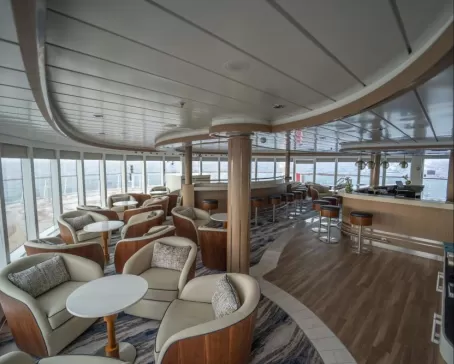
Greg Mortimer

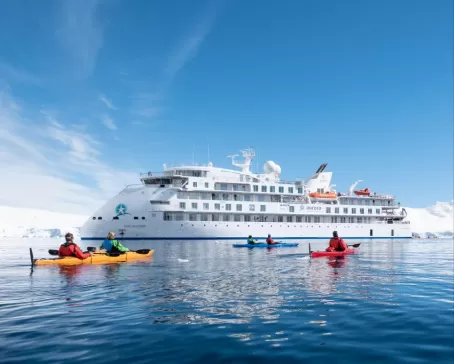
Kayak in Antarctica
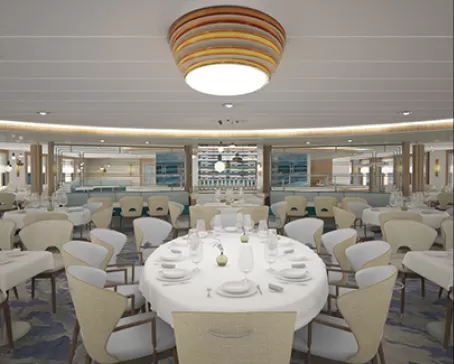
Greg Mortimer- Comfortable Dining
Greg Mortimer

Dates & Prices

My Preferred Start Date

Deals

Early Booking Discount 13882
Save from 5% to 25% by booking early. Discounts are subject to availability and capacity-controlled, meaning travelers who book earlier receive a larger discount. As space dwindles on a particular departure, so do discount amounts. Additional restrictions may apply.
Contact a Trip Planner for more details on discounts available.

Per person starting at
$16,695 2-3 travelers
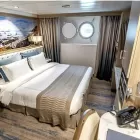
Greg Mortimer-Aurora Stateroom
Aurora Stateroom Triple
230.34 ft² - 245.41 ft² - 6 rooms available. All include en-suite bathrooms, three single beds, porthole window, desk area and 42" flat-screen TV
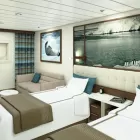
Greg Mortimer
Aurora Stateroom Twin Share
170 ft² - 245.41 ft² - Greg Mortimer features 8 porthole rooms, all with private en-suites. Located on Deck 3, they're close to the mudroom and loading platforms, perfect for adventurers who are looking for a comfortable base that's close to the action.
Balcony Stateroom C
224.97 ft² - 266.95 ft² - 14 rooms available. All include en-suite bathrooms, floor to ceiling windows and balconies and a select number are also connecting rooms, perfect for families or groups.
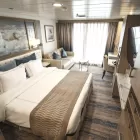
Greg Mortimer-Balcony Stateroom
Balcony Stateroom B
254.03 ft² - 266.95 f - 22 rooms available. All include en-suite bathrooms, floor to ceiling windows and balconies and a select number are also connecting rooms, perfect for families or groups.
Greg Mortimer
Balcony Stateroom A
259.41 ft² - 301.39 ft² - 22 rooms available. All include en-suite bathrooms, floor to ceiling windows and balconies and a select number are also connecting rooms, perfect for families or groups.
Greg Mortimer-Balcony StateroomGreg Mortimer
Balcony Stateroom Superior
303.54 ft² - 432.70 ft² - With a bit more room to stretch the legs, the Greg Mortimer's two Balcony Suites are perfect for polar adventurers who travel with plenty of gear. Featuring private balconies, en-suite bathrooms and a comfortable desk area, these will sell out quickly!
Greg Mortimer
Junior Suite
The Greg Mortimer's four Junior Suites take in some impressive scenery from their vantage 418.71 ft² - points on Deck 7. When you aren't enjoying a landing, you can relax in the suites' separate lounge area, or just watch the world float by from the private balcony.
Greg Mortimer
Captain's Suite
478.99 ft² - The largest of all the rooms, the Greg Mortimer's singular Captain's Suite will take you to the polar regions in ultimate style and comfort. Complete with large lounge area, balcony, walk-in wardrobe and en-suite.
Included
  • 16 Breakfasts, 11 Lunches, 12 Dinners
  • 16 Nights Accommodations
  • Accommodations as listed
  • Ground transportation as listed
  • Activities as listed
  • Meals as listed
  • Access to a 24-7 Emergency line while traveling
  • Comprehensive pre-departure information
  • Beer, House Wine, and Soft Drinks with Dinner 
  • Complimentary access to onboard expedition doctor and medical clinic (initial consult)
  • Wifi
  • Captain's Welcome and Farewell drinks including four-course dinner, house cocktails, house beer and wine, non-alcoholic beverages.
  • On-board accommodation during voyage including daily cabin service
  • All meals, snacks, tea and coffee during voyage
  • Airport arrival and departure transfers to/from your group hotel or port on the first day and the final day of your voyage package
  • Presentations and guiding services provided by Voyage Host, Aurora Expeditions Team and local operators
  • Headsets are available for use during ‘Your Choice’ experiences when needed
  • 'Your Choice' shore excursions as listed. One excursion per person per port of call and city stay package is included unless stated otherwise. These must be reserved at least 60 days prior to embarkation and cannot be amended after this time.
  • Enrichment experiences as listed, including Welcome and Farewell Events
  • Pre-voyage and post-voyage excursions as listed
  • Port surcharges, permits, tender, pilot and landing fees
  • ‘Your Choice’ shore experience as listed
  • Gratuities during excursions and enrichment program for local guides, drivers, venues and local sites
  • Two night’s hotel accommodation, including breakfast, in Lisbon on Days 1 and 2
  • Two night’s hotel accommodation, including breakfast, in Amsterdam on Days 15 and 16
Excluded
  • Travel Insurance
  • Personal Expenses
  • Flight costs (please request a quote)
  • Additional excursions during free time
  • Fuel and transportation surcharges (when applicable)
  • Passport and Applicable Visa Expenses
  • Airport Departure Tax - Airport arrival or departure taxes
  • Alcoholic beverages and soft drinks (outside of dinner service), laundry services, personal clothing, medical expenses, or phone charges
  • Hotels and meals not included in itinerary
  • Optional activity surcharges
  • Reciprocity and Vaccination Charges
  • Transfers – unless specified in the itinerary
  • Passengers traveling with Aurora Expeditions are required to be covered by a reputable travel insurance policy that includes baggage loss, cancellation & curtailment of the holiday, medical, accident, and repatriation/emergency evacuation coverage worth at least $250,000 USD.
  • All items of a personal nature, including but not limited to, alcoholic beverages (outside of dinner service), on board gratuities, laundry services, personal clothing, medical expenses, email or phone charges

Map

Inquire

* By providing your phone number, you consent to receive direct phone calls or SMS messages from our Trip Planners to get the process started. We do not share your information with third-parties.
Change & customize to make it yours.
Travel Agents

We Love to Talk Travel

Call 1.800.344.6118
or
Chat Now
Everything was amazing! The planning with Adventure Life went smoothly. The actual trip was fantastic! One of the best trips I have experienced. The cruise staff members were knowledgeable and attentive. I will be writing more about this on the blog!
Justin Chappelle

Europe Travel Guide

Top Europe Travel Destinations

Europe Trips by Departure Date

Top Experiences in Europe

Europe Trips by Duration

Europe Trips by Activity

More Reasons

Why Travel With Adventure Life

All News

Recognized By