Peru’s archaeological heritage is vast, ranging from Inca fortresses to ancient pre-Columbian cities that predate even the mighty Incas. Each site showcases a different aspect of the country’s rich history, revealing unique insights into the cultures that once dominated the Andean landscape. Below, we explore the most important ruin sites in Peru, offering detailed descriptions of their significance, architecture, access, and what to expect when visiting.
Machu Picchu
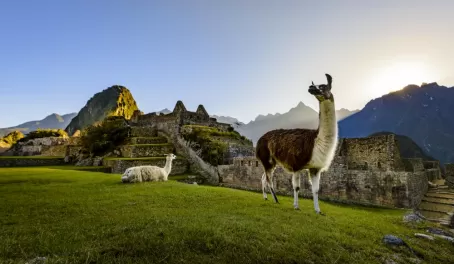
The mysterious ruins of Machu Picchu (Jerome Gannon) Machu Picchu: The Crown Jewel of the Inca Empire
Nestled high in the Andes Mountains, Machu Picchu is not just Peru’s most famous ruin but one of the most iconic archaeological sites in the world. Built in the mid-15th century during the reign of Emperor Pachacutec, Machu Picchu was a royal estate and a religious site. The site’s remote location kept it hidden from the Spanish during their conquest, preserving its intricate stonework and terraces for future generations to admire. The city’s layout reflects a deep connection to nature and astronomical events, with structures aligned with the solstices and surrounding mountain peaks.
Machu Picchu’s design is a testament to the Inca’s sophisticated understanding of engineering and hydrology. The site is divided into two main areas: the agricultural zone, with its expansive terraces, and the urban zone, where the main temples, plazas, and royal quarters are located. A complex system of water channels runs throughout the site, supplying fresh water to its inhabitants. The structures are built using a technique known as “ashlar masonry,” where stones are cut to fit together without the use of mortar, a hallmark of Inca architecture. Today, Machu Picchu attracts millions of visitors each year, making it a global symbol of the Inca civilization. Location: Cusco Region, near Aguas Calientes Area: Approximately 32,592 hectares Structures: Over 200 distinct buildings, including temples, residences, and agricultural terraces. Highlights: Intihuatana Stone, Temple of the Sun, Sacred Rock, Temple of the Condor. Access: Accessible via the Inca Trail (4-day hike) or a train ride to Aguas Calientes followed by a bus trip to the site. Permits: Required for both the site and the Inca Trail. The Inca Trail permits are limited to 500 per day (including porters and guides) and must be booked months in advance.
Choquequirao: The Hidden Gem
Choquequirao, often called Machu Picchu’s “sister city,” is a remote Inca site perched high in the Andes. Due to its challenging access, the site receives only a fraction of the visitors that flock to Machu Picchu, making it an ideal destination for those seeking a more solitary and immersive experience. The site covers several hillsides, with steep terraces descending into the Apurímac River Valley below. Its remote location has helped preserve its original structures, which include temples, plazas, storage rooms, and an impressive system of agricultural terraces.
Choquequirao is thought to have been an important administrative center and ceremonial site. It features several key Inca elements, such as a central plaza and a network of water channels. Because of its isolated location, visiting Choquequirao requires a strenuous two-day hike from the village of Cachora. This challenging journey rewards travelers with stunning scenery and a chance to explore one of Peru’s most pristine Inca ruins. Location: Apurímac Region Area: 1,800 hectares Structures: Over 180 terraces, ceremonial buildings, and plazas. Highlights: Dramatic mountainside location with terraces etched into steep slopes. Access: Requires a 2-day trek from the town of Cachora. Permits: No permit required yet, but guided tours are recommended.
Cusco
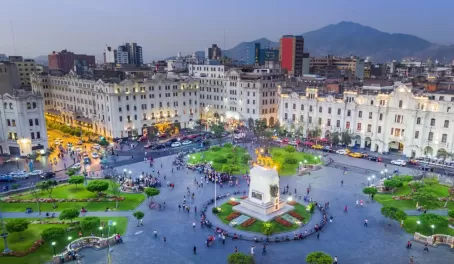
Gallavanting around Peru (Allison De Jong)
Sacsayhuaman: The Inca Fortress of Cusco
Sacsayhuaman is a massive Inca fortress overlooking the city of Cusco. Its strategic location and formidable construction suggest it was used for both military defense and ceremonial purposes. The site is best known for its enormous stone walls, made of limestone blocks that fit together so precisely that not even a piece of paper can slip between them. Some of the stones are over 9 meters tall and weigh more than 200 tons. The zig-zagging shape of the walls not only enhanced the fortress’s defensive capabilities but also created an impressive aesthetic effect.
The site played a crucial role during the Spanish conquest of Cusco, when it became the scene of one of the fiercest battles between the Incas and the Spaniards. Despite its partial destruction by the conquistadors, Sacsayhuaman remains an architectural marvel. The site’s elevated position offers panoramic views of the city below and the surrounding countryside, making it a popular spot for visitors to explore and learn about Inca military engineering. Location: Cusco City Area: 3,000 hectares Structures: Massive zig-zagging walls, the main plaza, and ceremonial towers. Highlights: Enormous stones, some weighing over 200 tons, fit together without mortar. Access: A short 20-minute walk or a quick taxi ride from Cusco’s main plaza. Permits: Entry is included in the Cusco Tourist Ticket.
Pisac: The Inca Ruins Overlooking the Sacred Valley
Pisac is one of the Sacred Valley’s most scenic and historically rich sites, perched high on a hilltop overlooking the town of the same name. The ruins are divided into several sections, including agricultural terraces, residential areas, and religious temples. The terraces at Pisac are among the most extensive in the valley, designed not just for farming but also to prevent erosion. The religious sector includes the Temple of the Sun, which is believed to have served as an astronomical observatory.
Pisac is thought to have been both a military outpost and a ceremonial center, protecting the southern entrance to the Sacred Valley. The site’s strategic position allowed the Incas to control trade routes and monitor movements through the valley. Today, Pisac is not only an archaeological site but also home to a bustling market in the nearby town, making it a perfect blend of history and modern Andean culture. Location: Sacred Valley, Cusco Region Area: 65 hectares Structures: Terraces, residential complexes, temples, and tombs. Highlights: The Intihuatana Sun Temple and panoramic views of the Sacred Valley. Access: 45-minute drive from Cusco; included in the Sacred Valley Tourist Ticket. Permits: Entry included in the Cusco Tourist Ticket.
Ollantaytambo: The Living Inca Town
Ollantaytambo is one of the best-preserved Inca archaeological sites, notable for its unique blend of a living town and ancient ruins. Nestled in the Sacred Valley, Ollantaytambo was an important administrative and military center. The town's layout follows traditional Inca urban planning principles, with narrow streets and stone structures that have remained intact for centuries. The most prominent features of the site are its massive terraces that rise steeply up the mountain slopes, which were not only used for agriculture but also served defensive purposes.
The fortress of Ollantaytambo was a stronghold for the Inca resistance against the Spanish conquistadors. The site’s high vantage point provided a strategic overview of the surrounding valley, making it an ideal location for monitoring and defending the area. Today, visitors can explore its storerooms, temples, and ceremonial baths, all of which showcase the sophisticated engineering skills of the Incas. The town below the fortress remains inhabited, offering a rare glimpse into how traditional Andean life has persisted alongside the ruins. Location: Sacred Valley, Cusco Region Area: 600 hectares Structures: Fortress walls, terraces, temples, and residential areas. Highlights: Temple of the Sun, Ñusta Bath, and well-preserved agricultural terraces. Access: 90-minute drive from Cusco or a train stop en route to Machu Picchu. Permits: Entry included in the Sacred Valley Tourist Ticket.
Moray: The Inca Agricultural Laboratory
Moray is an unusual and fascinating archaeological site located in the Sacred Valley, consisting of several large, concentric circular terraces. These terraces were used as a kind of agricultural laboratory by the Incas, who experimented with growing different crops at varying elevations and microclimates. The unique design of the terraces created distinct temperature differences between the levels, simulating various ecological zones. This allowed the Incas to study the effects of climate and altitude on their crops and adapt their agricultural practices accordingly.
The site consists of three primary circular depressions, with the largest one reaching a depth of about 30 meters. Each level of the terraces was irrigated using a sophisticated system of canals. Today, Moray stands as a testament to the Incas’ ingenuity in harnessing and manipulating natural resources. The site’s serene beauty and innovative design make it a compelling stop for visitors exploring the Sacred Valley. Location: Sacred Valley, Cusco Region Area: Approximately 600 hectares Structures: Four main concentric circular terraces. Highlights: Distinct microclimates in each terrace and panoramic views. Access: 1.5-hour drive from Cusco; included in the Sacred Valley Tourist Ticket. Permits: Entry included in the Cusco Tourist Ticket.
Inca Trail
"on the other side", towards Pacaymayo (Molly Quackenbush)
Patallaqta: The Agricultural Outpost of the Inca Trail
Patallaqta, also known as Llaqtapata, is an Inca archaeological site located along the famous Inca Trail to Machu Picchu. Its name translates to "Town on the Hillside" in Quechua, highlighting its position on a raised plateau overlooking the convergence of the Cusichaca and Urubamba rivers. The site served as an agricultural and administrative center, controlling crop production and storage in the surrounding valley. The terraced hillsides and numerous storage facilities (colcas) indicate its strategic importance in supplying food and goods to Inca settlements and armies.
Patallaqta’s layout includes a series of terraces, housing complexes, and ceremonial buildings, all linked by well-defined pathways. These elements reveal the Incas’ mastery of terracing and water management, which helped optimize the area for maize and other high-altitude crops. The location was also a key rest stop for travelers and messengers using the Qhapaq Ñan, the extensive network of Inca roads that spanned the empire. Patallaqta is visible from the Inca Trail and often serves as an early highlight for trekkers heading toward Machu Picchu. Location: Cusco Region, along the Inca Trail Structures: Agricultural terraces, residential buildings, and storage facilities. Highlights: Terraced farming areas and panoramic views of the river valleys. Access: Requires a multi-day hike along the Inca Trail, typically visible on the first or second day. Permits: Included in the Inca Trail permit.
Phuyupatamarca: The Town in the Clouds
Phuyupatamarca, which means “Town in the Clouds” in Quechua, is a striking Inca site perched at nearly 3,600 meters (11,800 feet) above sea level along the Inca Trail. Its elevation often places it above the mist, giving visitors an ethereal experience as they wander through its well-preserved stone structures and terraces. The site’s intricate water management system is one of its most impressive features, consisting of a series of ceremonial baths and aqueducts that channel water through the site.
Phuyupatamarca is thought to have served both a religious and agricultural function, as evidenced by its terraces and ritual baths. The name likely references the thick cloud cover that often envelops the area, creating a mystical atmosphere. The site includes several platforms that were used for ceremonies, as well as stunning viewpoints that offer panoramic vistas of the surrounding mountains and valleys. Phuyupatamarca is a popular campsite for trekkers on the Inca Trail, offering spectacular sunrise views for those who stay overnight. Location: Cusco Region, Inca Trail Structures: Ceremonial baths, agricultural terraces, and viewing platforms. Highlights: Ritual baths, water channels, and panoramic mountain views. Access: Typically reached on the third day of the Inca Trail. Permits: Included in the Inca Trail permit.
Wiñay Wayna: The Gateway to Machu Picchu
Wiñay Wayna, meaning "Forever Young" in Quechua, is one of the most beautiful and significant ruins along the Inca Trail. Situated at an altitude of approximately 2,700 meters (8,858 feet), it is often the last major site visited by hikers before they reach Machu Picchu. The site is built into a steep hillside and consists of a series of curved agricultural terraces that cascade down the slope, as well as several residential and ceremonial structures at the top.
The terracing at Wiñay Wayna is a prime example of the Incas’ agricultural prowess, allowing them to grow crops like maize and potatoes in otherwise challenging conditions. The ruins include a series of fountains connected by stone channels, suggesting that Wiñay Wayna also served a ceremonial purpose related to water worship. The site’s architecture and design closely resemble Machu Picchu, making it a fitting prelude for trekkers nearing the end of their journey. A short trail from Wiñay Wayna leads directly to the Sun Gate, offering a dramatic final approach to Machu Picchu. Location: Cusco Region, Inca Trail Structures: Curved terraces, residential areas, and ritual fountains. Highlights: Series of interconnected terraces and proximity to Machu Picchu. Access: Reached on the final day of the Inca Trail, just before the Sun Gate. Permits: Included in the Inca Trail permit.
Northern Peru
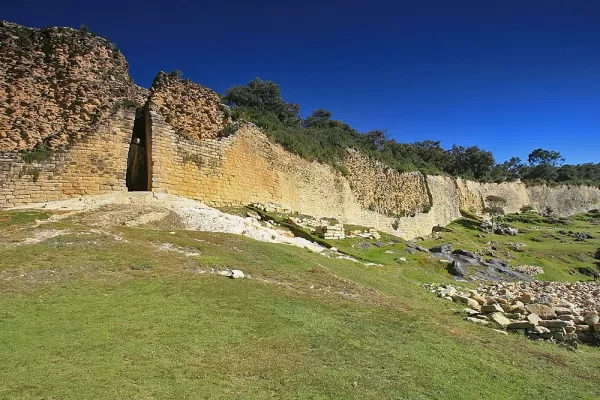
Fortress at Kuelap ruins (Milagros Polo) Chan Chan: The Largest Adobe City
Chan Chan, located near the coastal city of Trujillo, is the largest pre-Columbian adobe city in the world. Built by the Chimú civilization around 850 AD, it served as the empire’s capital until it was conquered by the Incas in the 15th century. The city covers a staggering 20 square kilometers and consists of nine citadels, each housing ceremonial rooms, plazas, storerooms, and burial sites. The city’s walls are adorned with intricate reliefs depicting geometric patterns and figures of animals like fish and birds.
Despite its size, Chan Chan is under threat from natural forces, particularly El Niño weather patterns, which cause flooding and erosion. Efforts are underway to preserve what remains of this UNESCO World Heritage Site. Visitors to Chan Chan can walk through its labyrinthine passages, experiencing the grandeur of a city that once housed up to 60,000 people. Location: La Libertad Region, near Trujillo Area: 20 square kilometers Structures: Nine palaces, plazas, storerooms, and ceremonial rooms. Highlights: Intricate relief carvings on adobe walls and the expansive urban layout. Access: A short drive from Trujillo city center. Permits: General admission fee.
Kuélap: The Fortress in the Clouds
Kuélap is a massive stone fortress built by the Chachapoya people, known as the “Warriors of the Clouds,” around the 6th century AD. Located in the remote cloud forests of northern Peru, Kuélap is perched atop a mountain ridge at an altitude of 3,000 meters, offering spectacular views of the Utcubamba Valley. The fortress is surrounded by towering stone walls that are up to 20 meters high, enclosing more than 400 circular buildings. Some of these structures were residential, while others served as ceremonial and administrative centers.
The journey to Kuélap was historically arduous, but recent developments, including a cable car system, have made access easier. The site’s remote location has helped preserve its unique architectural style, which features intricate stone carvings and friezes. Kuélap is often compared to Machu Picchu due to its size and grandeur, though it remains far less visited, providing a more secluded experience. Location: Amazonas Region Area: 6 hectares Structures: More than 400 circular buildings and a massive stone wall. Highlights: Stone carvings, panoramic views, and unique Chachapoya architecture. Access: Accessible via a cable car from Nuevo Tingo. Permits: General admission fee.
Chavín de Huántar: The Spiritual Heart of the Andes
Chavín de Huántar is one of the oldest and most enigmatic archaeological sites in Peru. Built by the Chavín culture around 1200 BCE, it served as a ceremonial and religious center that drew pilgrims from across the Andean region. The site’s most notable feature is its labyrinthine network of underground tunnels and chambers, which may have been used for rituals involving the consumption of hallucinogenic plants. The Chavín people were known for their intricate stone carvings depicting deities with human, feline, and snake features.
The central focus of Chavín de Huántar is the Lanzón, a carved stone pillar over 4 meters tall, which depicts a god combining human, animal, and plant characteristics. This pillar was situated deep within the temple, accessible only through a maze of narrow tunnels. Chavín de Huántar influenced many later Andean cultures, making it a key site for understanding the religious and cultural evolution of pre-Columbian Peru. Location: Ancash Region Area: 12 hectares Structures: Temples, plazas, underground galleries, and ceremonial platforms. Highlights: The Lanzón, stone carvings, and a complex system of tunnels. Access: A 4-hour drive from the city of Huaraz. Permits: General admission fee.
Lima and Surroundings
Pachacamac: The Sacred Oracle Site
Pachacamac is one of the most significant archaeological sites on the Peruvian coast, serving as a major religious center for centuries before the arrival of the Spanish. Located just 40 kilometers south of Lima, it was a sacred pilgrimage site for several pre-Inca cultures, including the Lima, Wari, and Ichma, before being integrated into the Inca Empire. The site spans over 465 hectares and consists of numerous temples, plazas, and adobe structures built over a thousand years. The most prominent structures include the Temple of the Sun, which served as a prominent astronomical observation point, and the Temple of the Moon, which was used for religious ceremonies.
Pachacamac was considered a crucial oracle site, where people from across the region came to seek the wisdom of the deity Pachacamac, believed to be the creator of the world in Andean cosmology. After the Spanish conquest, Pachacamac was largely abandoned and partially destroyed, but it remains one of the most intriguing sites on the Peruvian coast. Today, visitors can explore its well-preserved ruins and the modern on-site museum that houses artifacts from the various cultures that once worshipped here. Location: Lima Region, Lurín Valley Area: 465 hectares Structures: Temple of the Sun, Temple of the Moon, and several plazas and administrative buildings. Highlights: The Temple of the Sun, panoramic views of the surrounding valley, and a museum with numerous artifacts. Access: A 45-minute drive south from Lima. Permits: General admission fee of 15 soles. Guided tours are recommended to gain deeper insight into the site’s history.
Huaca Pucllana: Lima’s Pre-Inca Pyramid
Huaca Pucllana is a striking adobe pyramid located in the heart of the modern Miraflores district of Lima. Built around 400 AD by the Lima culture, the pyramid served as a ceremonial and administrative center. The site is constructed entirely of mud bricks arranged in a "book-shelf" style, which helped it withstand earthquakes common in the region. Although partially excavated, Huaca Pucllana reveals much about Lima’s pre-Inca cultures and their urban planning skills.
The pyramid consists of seven levels, each with platforms and courtyards used for religious rituals, public ceremonies, and administrative activities. One of the most significant discoveries here is a series of tombs containing high-status burials. Today, Huaca Pucllana is illuminated at night, making it a unique attraction for visitors to experience. The site also has an on-site museum that houses artifacts from the Lima and Wari cultures. Location: Miraflores, Lima Area: 6 hectares Structures: Seven-tiered pyramid, plazas, and courtyards. Highlights: Pre-Inca architecture, tombs, and the on-site museum. Access: Centrally located in Lima’s Miraflores district, easily accessible by taxi. Permits: General admission fee. Night tours are available.
Caral: The Cradle of Andean Civilization
Caral is the oldest known city in the Americas, dating back approximately 5,000 years. Situated in the Supe Valley, about 200 kilometers north of Lima, Caral predates both the Inca and the Moche civilizations by millennia. The city is renowned for its sophisticated urban planning, which includes pyramidal structures, sunken plazas, and residential areas. The site’s largest pyramid, the Pirámide Mayor, stands 18 meters high and covers an area of 4 hectares.
Caral’s advanced engineering and societal organization suggest it was a cultural and religious center that influenced later Andean civilizations. Excavations have uncovered musical instruments, textiles, and carvings that provide insight into the lives of its inhabitants. Today, Caral is a UNESCO World Heritage Site and a symbol of early human achievement in the Americas. Location: Supe Valley, Lima Region Area: 66 hectares Structures: Six pyramids, an amphitheater, and residential areas. Highlights: Oldest known city in the Americas and sophisticated urban design. Access: A 4-hour drive north from Lima. Permits: No special permits required; guided tours recommended.
Southern Coast
Tambo Colorado: The Inca’s Coastal Administrative Center
Tambo Colorado is one of the best-preserved Inca sites on Peru’s southern coast, notable for its distinctive red, yellow, and white walls. Built around 1474 during the reign of Emperor Pachacutec, Tambo Colorado served as an administrative and military center, helping the Incas consolidate control over newly conquered coastal territories. The site is unique for its trapezoidal plazas, multi-level terraces, and well-planned urban layout, which reflects the Inca’s ability to adapt their architecture to coastal environments.
The structures at Tambo Colorado were primarily made of adobe, a material not commonly used in highland Inca sites, which speaks to the Incas' adaptability and the influence of local construction techniques. The site consists of a central plaza flanked by trapezoidal niches, administrative buildings, storerooms, and residences for the local elite. Its name, which translates to “Red Tambo,” comes from the reddish hue of its walls. Tambo Colorado provides a glimpse into the logistical and administrative prowess of the Inca Empire on the coast. Location: Ica Region, near the Pisco River Area: 4 hectares Structures: Trapezoidal plazas, circular platforms, pyramids, and homes of the chasquis (Inca messengers). Highlights: Well-preserved painted walls, trapezoidal niches, and an example of Inca coastal architecture. Access: A 3-hour drive from Lima or a short drive from the town of Pisco. Permits: General admission fee of 5 soles.
Ayacucho
Vilcashuaman: The Inca’s Sacred Falcon Citadel
Vilcashuaman, which means “Sacred Falcon” in Quechua, was an important administrative and religious center for the Inca Empire. Located in the Ayacucho Region at an altitude of 3,490 meters, the site was built after the Inca defeated the fierce local Chancas and incorporated the region into their empire. Vilcashuaman features typical Inca architecture, including a Temple of the Sun, ceremonial plazas, and an usnu, a stepped pyramid that served as a platform for religious and political ceremonies.
The site’s centerpiece is the main plaza, where large gatherings and celebrations were held. Next to the plaza stands the Temple of the Sun, topped by a colonial-era church built by the Spanish, symbolizing the cultural fusion and conflict of the colonial period. Vilcashuaman’s remote location and relatively fewer visitors make it one of the more serene Inca sites to visit, providing a glimpse into the empire’s extensive network beyond Cusco. Location: Ayacucho Region Area: 20 hectares Structures: Central plaza, Temple of the Sun, usnu pyramid, and various administrative buildings. Highlights: The ceremonial plaza and the fusion of Inca and colonial architecture. Access: A 4-hour drive from Ayacucho City. Permits: General admission fee of 8 soles.
Discover the Main Ruin Sites of Peru
Each of these sites provides a unique insight into Peru's diverse and complex history, highlighting the ingenuity, spirituality, and adaptability of its ancient civilizations. Together, they form a tapestry of cultural and architectural achievements that continue to captivate historians, archaeologists, and travelers from around the world.
If you’re inspired to explore these fascinating ruins and immerse yourself in Peru’s rich heritage, contact Adventure Life today. Our travel experts can tailor-make your trip to include the archaeological sites and ruins that interest you the most, ensuring an itinerary that aligns perfectly with your preferences and travel style. Whether you want to trek the Inca Trail, visit Machu Picchu, or explore hidden gems like Choquequirao and Kuélap, we’re here to craft an unforgettable journey just for you! Reach out now and let Adventure Life help turn your dream adventure into reality.
Our team is waiting and ready to talk with you about your next adventure.
So go ahead and book an appointment with one of our specialized trip planners.
We had a fabulous trip to Peru thanks to Adventure Life and their local partner guides. We are so grateful for the smooth transitions from place to place and the ease with which we were shepherded and informed and had our own needs and idiosyncrasies accommodated for throughout this once in a lifetime trip.
Patricia Talbot
1 month ago
Timely responses and great follow up. Trying to figure out what was best for us is a great attribute for Jane and her team.
Neil Chernin
2 months ago
This is my fourth trip with Adventure Life and, as in the past, the staff was very knowledgeable and helpful. they talk with you about your desires and provide excellent suggestions.
Robert Thompson
3 months ago
AL was both responsive and patient as I worked through scheduling issues and changes.