Visiting the Charles Darwin Research Station in the Galapagos
The Charles Darwin Research Station, also known as the Charles Darwin Research Center, was established in 1960 by an international committee dedicated to the research, conservation, and education of the fragile ecosystems of the Galapagos Islands. Today, the Galapagos Islands Charles Darwin Research Station is one of the most visited attractions on
Santa Cruz Island, located just a short walk from the bustling port town of Puerto Ayora.
For travelers, a visit here is not only educational but also an inspiring opportunity to see firsthand the conservation work that protects this UNESCO World Heritage Site.
Highlights of the Charles Darwin Research Center Galapagos
The Van Straelen Exhibition Center
The journey begins at the Van Straelen Exhibition Center, where visitors are greeted with informative displays and interactive exhibits. Knowledgeable staff are available to answer questions about the islands’ history, biodiversity, and current restoration projects. Visitors can also watch slide shows narrated in multiple languages, offering insight into the natural and cultural heritage of the Galapagos.
Tortoise Rearing House
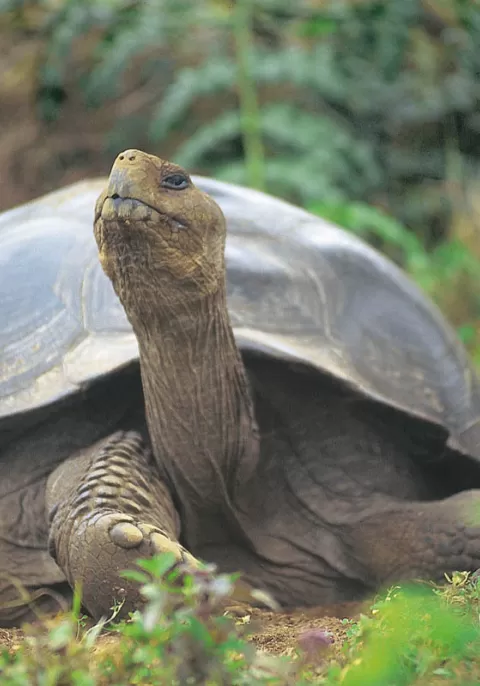
Perhaps the most popular attraction at the Charles Darwin Research Center Galapagos is the giant tortoise conservation program. At the rearing house, guests can observe hatchlings and young tortoises being carefully nurtured until they are about four years old—when they are strong enough to be released into the wild. To date, nearly 2,000 young tortoises have been reintroduced to their home islands, a vital step in restoring populations once threatened by extinction.
The Adult Tortoise House and Lonesome George
For tortoises that cannot be returned to the wild, the adult tortoise house provides safe enclosures where visitors can admire these incredible creatures up close. This is also where travelers once met the world-famous Lonesome George, the last known Pinta Island tortoise. Estimated to be between 100 and 150 years old, George became a global symbol of conservation. Although he has since passed, his legacy continues to inspire efforts to protect endangered species across the globe.
Elevated Boardwalks and Native Birdlife
Beyond the tortoise enclosures, shaded patios and elevated boardwalks wind through the center, offering a peaceful escape and the chance to observe native bird species, including Darwin’s finches. These birds played a pivotal role in Charles Darwin’s theory of evolution and remain one of the Galapagos’ most iconic species.
Why Visit the Galapagos Islands Charles Darwin Research Station?
A trip to the Charles Darwin Research Station is more than a sightseeing stop—it’s an opportunity to witness conservation in action. From learning about restoration programs to encountering the island’s iconic wildlife, visitors leave with a deeper understanding of the challenges and triumphs of protecting this extraordinary ecosystem.
Whether you’re fascinated by giant tortoises, curious about Darwin’s finches, or simply interested in the ongoing conservation efforts, the Charles Darwin Research Center is a must-see highlight of any Galapagos journey.