Have questions? We're here.
| Trip Name | From | Days | Summary |
|---|---|---|---|
| Southern Islands | $6,190 | 5 | Sail through the Southern Galapagos Islands, exploring their biodiverse and magical landscapes. Starting in Baltra making your way through Española, San Cristobal, Santa Cruz, Santa Fe, South Plaza and back to Balta. |
| Northern Islands | $3,945 | 4 | Embark on this 4-day voyage scouting the central and northern islands of the Galapagos. Satisfy yourself with the majesty of the exceptional landscape, and relax on the beach. Get ready to see an abundance of unique wildlife including, blue-footed bobbies, reef sharks, flamingos, and playful sea lions. This memorable vacation will leave you wanting to come back for more. |
| Private Charter - Southern Islands Aboard M/C Galapagos Endemic | $92,390 | 5 | Sail through the Southeastern Galapagos Islands on a 5-day private cruise. Embark the M/C Endemic in Baltra making your way through Santa Cruz, San Cristobal, Española, Santa Fe, and South Plaza. Overflowing with wildlife, volcanic wonders, and breathtaking landscapes, this is the perfect vacation choice. |
| Northern Galapagos Journey | $4,845 | 5 | Experience a 5-day Galápagos adventure aboard the Sea Star, exploring Santa Cruz, Bartolomé, Santiago, and Genovesa Islands. Discover breathtaking volcanic landscapes, snorkel with penguins, and encounter iconic wildlife while hiking, kayaking, and exploring mangrove-lined coves. |
| Private Charter - Northern Galapagos Journey | $68,450 | 5 | Experience the Galápagos Islands on a 5-day private cruise aboard the Sea Star, exploring Santa Cruz, Bartolomé, Santiago, and nearby islets. Hike scenic trails, snorkel in crystal-clear waters, and encounter flamingos, land iguanas, sea turtles, Galápagos penguins, and diverse bird species. |
| Northern Islands Cruise | $6,190 | 5 | Board the Elite for a 5-Day sailing expedition across one of the most unique archipelagos on the planet, the Galapagos Islands. Experience the beauty and natural charm of these volcanic islands while visiting Santa Cruz, Genovesa, Rabida and San Cristobal. |
| South & Central Islands | $9,990 | 8 | Enjoy the beauty of Bartolome, Española, Floreana, Mosquera Islet, North Seymour, San Cristobal, Santa Cruz, Santa Fe, Santiago and South Plaza on this 8-day Galapagos cruise aboard the M/C Endemic. On this cruise of the South and Central Islands, you'll have daily opportunities to hike, snorkel, kayak, and explore the incredible biodiversity of Galapagos! |
| Northwestern Islands | $14,495 | 8 | Embark on an 8-day Hermes Ultra Luxury Cruise in the Northwestern Galapagos Islands. Explore unique wildlife, including giant tortoises and lava tunnels. Visit Cerro Dragón, Chinese Hat, Genovesa, and more. Enjoy birdwatching, snorkeling, and diverse wildlife encounters. Finally, visit North Seymour before heading to Baltra for your flight home. |
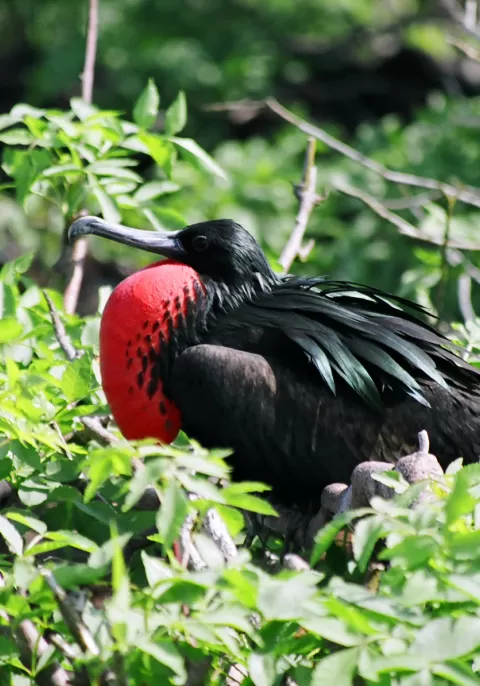
| In the Steps of Darwin | $9,950 | 8 | Discover all of the Galapagos wildlife that made the Islands famous and inspired Charles Darwin´s theory of evolution. Snorkel, swim, or kayak on the pristine crystal waters and experience amazing animal encounters, including playful sea lions, frigate birds, iguanas, blue footed boobies, penguins, and giant tortoises. |
| Exploring Galapagos, Machu Picchu and Peru's Land of the Inca | $12,109 | 16 | Combine a Galápagos expedition aboard the National Geographic Endeavour II with a land-based exploration of Machu Picchu and Peru’s rich Inca heritage on this unforgettable 16-day adventure. Make the most of your travel time as your expedition team makes the transition effortless for you. |
Tour Highlights of Santa Cruz Island
Charles Darwin Research Station / Fausto Llerena Breeding Center:
This is the scientific epicenter of the Galapagos and is famously where Giant Tortoises are raised from egg to five years old, when they can be repatriated into their natural environment. Originally, the program started as a way to protect endangered tortoise populations that were threatened by invasive species that had been introduced to the Islands, especially the feral dogs. Now, the efforts of the breeding center have not only successfully maintained several populations of tortoises, but also saved a few that were on the edge of extinction, including most notably the Española tortoises. In addition to being a breeding center, the Station promotes research and scientific investigation for the conservation of the fragile ecosystems of the entire archipelago.
Tortuga Bay:
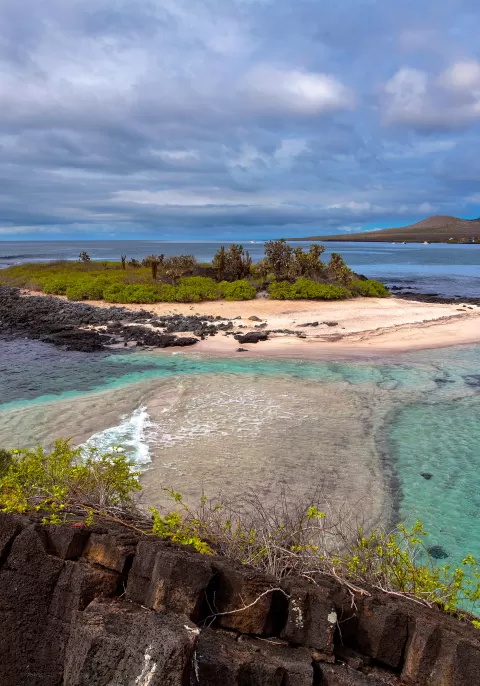
Just a short walk or bike ride from the main town of Puerto Ayora, this tranquil beach has soft white sand and is great for swimming. Its name refers to the black turtles that can often be seen here, but it’s also home to rolling dunes and endemic transition vegetation that help anchor the coastal sand.
Las Grietas:
This unique site features large fissures where turquoise salt water mixes with freshwater and makes for fun swimming and snorkeling.
These National Park Visitor Spots can only be visited as part of a scheduled cruise:
Bachas Beach:
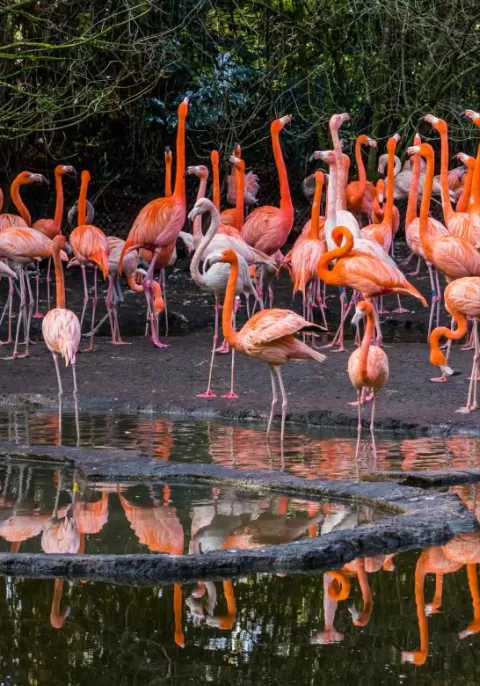
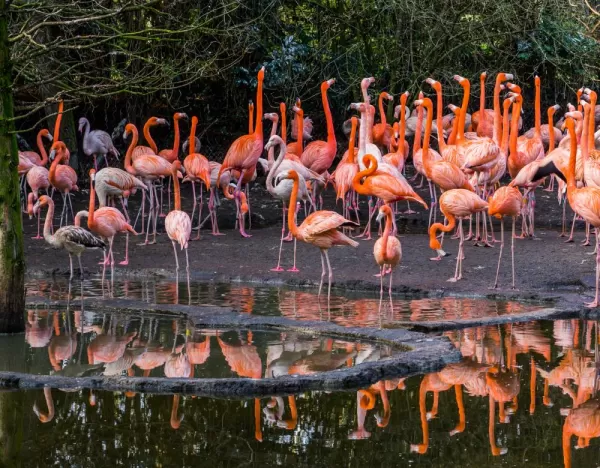
This expansive, pristine white sand beach is home to a spectacular variety of wildlife. Bachas is really a misnomer for barches, as there is a half sunken barge visible from the beach. Also visible from the beach is a brackish lake with flamingoes and water birds, and an incredible menagerie of wildlife such as nesting green sea turtles, sally lightfoot crabs, and sea lions.
Cerro Dragon (Dragon Hill):
This site is aptly named for its healthy population of land iguanas and the ominous dragon-like shape of the mountain overlooking the bay. In the 1970s, the National Park began using the site as a place to breed the iguanas safe from the predatory dogs that were threatening many native species. Now the successful repopulation of the iguanas makes it a fascinating visitor site.
Black Turtle Cove: On the northern side of the island, you will find Black Turtle Cove, accessible only by dinghy. Surrounded by mangrove colonies, it hosts a wealth of marine life, including black- and white-tipped reef sharks, hammerhead babies, sea turtles, and rays.
Garrapatero Beach:
This arid beach is a bit off the beaten path, 19 km from Puerto Ayora. Here, a trail leads you from the white sand beach through a small palo santo and cactus forest. You’ll also see land birds enjoying the brackish lagoons, including flamingos, pintail ducks, oystercatchers, and various finches.
The Highlands of Santa Cruz Island
The highland forests of Santa Cruz hide some of the world's most bizarre secrets. The volcanic island is the accumulation of volcanic eruptions and lava flows for millions of years, leaving behind a cavernous maze of lava tubes and craters, and on the surface thrive Giant Tortoises to this day.
Twin Craters (Los Gemelos):
The Twin Craters, also known as “Los Gemelos,” are two giant sinkholes in the highlands that formed when the surface material caved into underground chambers. Currently, several trails have been blazed through the dense Scalesia forest. A short hike will take you to these craters, and along the way, you will likely see notable land birds such as the Vermillion Flycatcher and a variety of native and endemic finches.
Lava Tunnels:
These unique geological formations were created when magma continued to flow underneath the drying surface lava. As the lava on the surface hardened, the molten stone beneath hollowed out long tubes that resemble caves, some of which extend for more than a kilometer. Several of them have been developed as visitor sites that can be explored.
El Chato Tortoise Reserve:
The tall grasses and shallow ponds of this expansive reserve make it the ideal habitat for the giant tortoises (for which the Islands are named) to live in peace. Along the path, you will come across various finch species & flycatchers and small turtles that bask in the still ponds. The highlight of this site, though, is the opportunity to see the giant tortoises roaming freely in their natural environment. Tortoises migrate annually from the coast to the highlands, and El Chato is one of the best places to see them plodding along. Although a guide is not imperative here, it is recommended.
Santa Cruz Island Facts

By submitting your email address, you are agreeing to opt in to marketing communications. We hold your information private and do not share it with third parties.

Our team is waiting and ready to talk with you about your next adventure. So go ahead and book an appointment with one of our specialized trip planners.
Let's Chat

You'll work with a team of humans who get to know you, answer every question, and support you until you return home—we're always just a call or text away.
Secure your 5% Past Traveler Rewards across a wide range of ships and destinations - not a single brand and not just cruises.
Our extensive travel experience helps you avoid common pitfalls, maximize your time, and get the most out of every part of your trip.









No cost, no commitment. Talk with our experts about your dream trip.
Share your travel style—we match you with the right itinerary or create one just for you.
Lock in knowing every detail is handled and you’re fully supported.
Enjoy a seamless journey—and unlock 5% off your next adventure.