Galapagos Wildlife Must-See Galápagos Islands Animals
Do you know that the Galápagos Islands inspired Charles Darwin’s theory of evolution by natural selection? This remote volcanic archipelago, located about 600 miles off the coast of Ecuador, is home to a diverse array of species
not found anywhere else in the world.
Some of those Galápagos animals include the
Galápagos penguin, which is the only penguin species found near the equator. Because the Galápagos Islands are a UNESCO World Heritage Site, specifically, the Galápagos National Park, its government and community make it a priority to preserve the wildlife, natural resources, and the delicate ecosystems found in that place.
Galápagos Island animals continue to face ongoing challenges from climate change, invasive species, and unsustainable tourism.
Continued conservation efforts are needed to safeguard the incredible Galápagos wildlife for generations to come.
How Many Species are On the Galápagos Islands?
According to the
Galápagos Conservancy, a U.S.-based nonprofit organization dedicated exclusively to the protection and restoration of the islands since 1985, there are about
50,000 wildlife species across the archipelago. Many of these species are endemic, meaning they are found nowhere else in the world—a true hallmark of
Galápagos wildlife.
The Conservancy recorded over 600 native vascular plant species alongside roughly 825 introduced species, most brought by humans. Of these introductions, more than 100 have established themselves in the wild and are considered significantly invasive, which poses a major threat to the islands’ fragile ecosystems.
When it comes to
animals in the Galápagos Islands, the diversity is extraordinary. The Conservancy reports the following:
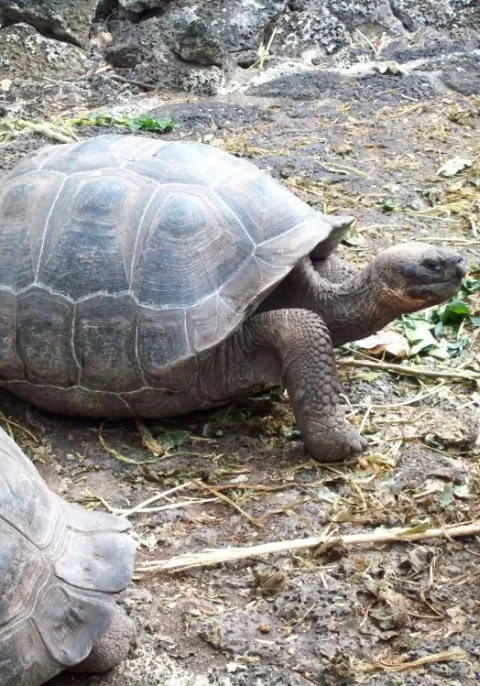
- Reptiles: 25+ species, including iconic giant tortoises, marine iguanas, and lava lizards.
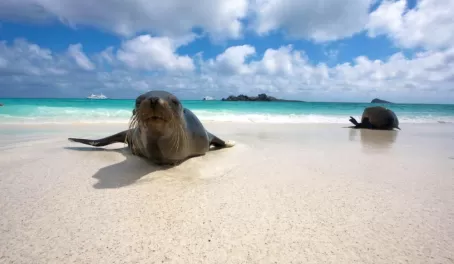
- Mammals: 14 native species, such as Galápagos sea lions, fur seals, and rice rats.
- Birds: Nearly 180 species, featuring Darwin’s finches, blue-footed boobies, and waved albatrosses.
- Marine Life: More than 2,900 species, from hammerhead sharks and whale sharks to green sea turtles.
- Insects & Invertebrates: 2,000+ species, including butterflies, beetles, and sea cucumbers.
- Plants & Algae: 500+ native species that sustain this unique ecosystem.
These numbers highlight just how rich and varied
Galápagos animals are, making the islands one of the world’s premier destinations for nature lovers, scientists, and travelers hoping to witness some of the rarest species on Earth.
Birds: The Feathered Marvels of the Galápagos
The Galápagos Islands are a great place to see amazing birds specially most of the bird species found here are endemic to the islands. You can watch these Galápagos animals up close and learn how they live in this unique place.
Here are a few birds that can be found among Galápagos wildlife:
Known for its blue feet, the Blue-Footed Booby is one of the Galápagos Islands' most iconic birds. These seabirds perform a comical courtship dance, proudly lifting their feet to attract mates. To catch fish for food, these birds are known for their dramatic dive-bombing into the ocean.
Exclusively found on Española Island, the Waved Albatross has the largest wingspan among birds found on the island. Its wings can reach up to eight feet. These animals of the Galápagos Islands are known for their elegant gliding over the sea and unique mating rituals. This species mates or dates for life and returns once a year to breed in the same location.
The Flightless Cormorant is a unique example of evolution. A hundred years ago, it was believed that this species could fly, but because of its need to feed on seafood, the bird lost the ability to fly. Instead, it has developed powerful legs that it uses for diving to forage for food underwater. Found only in the Galápagos, these Galápagos Islands animals are among the rarest birds in the world.
The Nazca Booby is known for its sleek white body and prominent black facial markings. Commonly spotted on Genovesa and Española islands, they are known for their aggressive nesting behavior. These Galápagos animals lay two eggs, but typically only one chick survives due to sibling rivalry.
The Red-Footed Booby is the only booby species that nests in trees and uses its strong claws and tail for balance. These birds display vibrant red feet and blue beaks, and they are excellent aerial divers. They are most commonly seen on Genovesa Island.
Galápagos Hawks are the top land predators on the islands, preying on small reptiles, birds, and carrion. They are often seen soaring solo or perched on high vantage points. As an apex predator, this Galápagos Islands species plays a crucial role in the local ecosystem.
Frigatebirds are famous Galápagos animals for the males' large red throat pouch, which they inflate like a balloon during mating displays. These birds are unmatched in aerial agility and often steal food from other seabirds mid-flight. They can be spotted gliding effortlessly above the coastline.
Galápagos Flamingos are one of the rarest flamingo species, found in the saltwater lagoons of Floreana and Isabela. Their bright pink feathers come from a diet rich in shrimp and algae. These elegant Galápagos Island animals are shy and usually feed in small flocks.
Darwin’s Finches are a group of about 15 Galápagos Islands species, each with unique beak shapes adapted to different food sources. They were instrumental in shaping Charles Darwin’s theory of evolution by natural selection. These small, unassuming birds demonstrate the power of adaptation in isolated ecosystems.
Adventure Life offers
Galápagos land tours that are a great way to explore the islands without spending your whole trip on a boat.
With 19 different itineraries in 2025, travelers can hike, snorkel, and go birdwatching while staying in comfortable lodges on the islands.
Reptiles: Iconic Land Animals in the Galapagos
The Galápagos Islands are a hotspot for
marine wildlife thanks to the mix of cold and warm ocean currents that come together here. The
Woods Hole Oceanographic Institution reported that the Humboldt, Cromwell, and Panama currents create
a nutrient-rich environment that supports incredible biodiversity.
These are some notable aquatic wildlife in the Galápagos Islands guests can see when they are part of an Adventure Life tour:
It is the only penguin species that lives near the equator. It is best spotted on Isabela, Fernandina, and Bartolomé islands. These Galápagos Island animals rely on cool waters from the Humboldt and Cromwell currents.
Frequently seen nesting along Española and Isabela. The green sea turtle is an ancient creature that thrives in the islands' rich seagrass beds and warm beaches.
Often seen in schools around Darwin and Wolf Islands, these sharks thrive in the nutrient-packed waters.
Known to be the world’s largest fish, sometimes spotted by lucky divers. These animals of the Galápagos Islands migrate through the seas to feed on plankton during certain seasons.
These Galápagos animals are graceful swimmers, often found near the sea floor. They feed on plankton stirred up by the ocean currents.
Uniquely found only in Galápagos, these bright red and blue crabs are seen on rocky shores. They play a key role in cleaning up dead matter along the coast.
Not really a cucumber, but they are rather sea animals. These slow-moving Galápagos Islands animals are known to clean the ocean floor. Because they are mostly eaten as a traditional delicacy in some cultures, they face threats from overfishing.
Playful and social, these Galápagos Island animals are often seen sunbathing on beaches or swimming near snorkelers. Found throughout the islands and are very used to human presence. It is one of the most commonly seen animals on both land and in the water.
Smaller and shyer than sea lions; prefers shaded rocky coastlines, especially on western islands. Usually seen at dawn or dusk, resting in caves or lava crevices. These types of seals are endemic and more sensitive to human presence.
Frequently ride the waves beside boats or jump playfully in open water. Best spotted around Española, Bartolomé, and North Seymour, especially during the dry season. Bottlenose dolphins are among the most intelligent and social marine species of the Galápagos Islands.
Snorkelers and divers can experience this marine life firsthand in the Galápagos. The best spots include Darwin and Wolf Islands, and shallow bays around Isabela and Española, where waters are clear and life is abundant.
Marine Life and Seabirds
The Galápagos Islands are a hotspot for
marine wildlife thanks to the mix of cold and warm ocean currents that come together here. The
Woods Hole Oceanographic Institution reported that the Humboldt, Cromwell, and Panama currents create
a nutrient-rich environment that supports incredible biodiversity.
These are some notable aquatic wildlife in the Galápagos Islands guests can see when they are part of an Adventure Life tour:
It is the only penguin species that lives near the equator. It is best spotted on Isabela, Fernandina, and Bartolomé islands. These Galápagos Island animals rely on cool waters from the Humboldt and Cromwell currents.
Frequently seen nesting along Española and Isabela. The green sea turtle is an ancient creature that thrives in the islands' rich seagrass beds and warm beaches.
Often seen in schools around Darwin and Wolf Islands, these sharks thrive in the nutrient-packed waters.
Known to be the world’s largest fish, sometimes spotted by lucky divers. These animals of the Galápagos Islands migrate through the seas to feed on plankton during certain seasons.
These Galápagos animals are graceful swimmers, often found near the sea floor. They feed on plankton stirred up by the ocean currents.
Uniquely found only in Galápagos, these bright red and blue crabs are seen on rocky shores. They play a key role in cleaning up dead matter along the coast.
Not really a cucumber, but they are rather sea animals. These slow-moving Galápagos Islands animals are known to clean the ocean floor. Because they are mostly eaten as a traditional delicacy in some cultures, they face threats from overfishing.
Snorkelers and divers can experience this marine life firsthand in the Galápagos. The best spots include Darwin and Wolf Islands, and shallow bays around Isabela and Española, where waters are clear and life is abundant.
Insects and Invertebrates: Small but Essential Galápagos Islands Animals
The Galápagos Islands' isolation has led to a unique yet limited diversity of insects and invertebrates.
Notably, approximately 51% of the 2,289 recorded species of the Galápagos Islands are endemic, which means they are found nowhere else on Earth. These species play crucial roles in pollination, nutrient recycling, and maintaining the islands' ecological balance, according to the Galápagos Conservancy.
Below are some Galápagos Islands animals worth looking for when you visit:
A large, bright green moth attracted to lights, often seen after rainfall. These Galápagos Island animals are commonly spotted flying around ships' lights at night.
A striking, colorful insect found in drier regions of the islands. These grasshoppers are most commonly found after a heavy rain.
The largest bee species of the Galápagos Islands, these insects are essential for plant pollination. This species is found on 75% of the largest islands and serves as a primary pollinator within the plant-pollinator network of the archipelago.
A bizarre, slow-moving species found in forests, this type of beetle is one of the largest in the islands.
Essential for reef ecosystems, providing food and shelter for marine life, these Galápagos Islands animals contribute to the structural complexity of coral reefs, supporting a diverse array of marine organisms.
Night walks and post-rainfall hikes increase the chances of spotting these fascinating invertebrates.
Visitors will have the best luck spotting different species of insects after a heavy rain or at night, with the ship's lights particularly attracting the islands' green hawkmoth and fringed noctuid.
Why the Galápagos Should Be on Your Bucket List
The Galápagos Islands are a living classroom where travelers can encounter some of the most fascinating species on the planet. From giant tortoises and marine iguanas to blue-footed boobies and sea lions, the diversity of Galápagos animals is unlike anywhere else in the world. These ecosystems face ongoing challenges, including climate change, invasive species, and illegal fishing, all of which put pressure on the delicate balance of Galápagos wildlife that makes the archipelago so extraordinary.
How You Can Help Galapagos Animals
Visiting the Galápagos Islands is both a privilege and a responsibility. The ecosystems are fragile and vulnerable to human impact, so even small actions can make a big difference. As a traveler, your choices help protect the incredible animals in the Galápagos Islands and ensure their survival for generations to come. Follow all Galápagos National Park rules, avoid touching or disturbing Galápagos animals, and always stay on designated trails.
Why Visit?
A journey to the Galápagos is more than a trip to a remote destination — it’s a chance to witness evolution in action and immerse yourself in one of the most biologically unique environments on Earth. Every species you encounter among the rich tapestry of Galápagos wildlife tells a remarkable story of survival, adaptation, and evolution. Seeing these creatures in their natural habitat is an experience you’ll never forget.
Ready to explore the wild beauty of the Galápagos Islands? Book your trip today with
Adventure Life for an unforgettable and responsible travel experience.